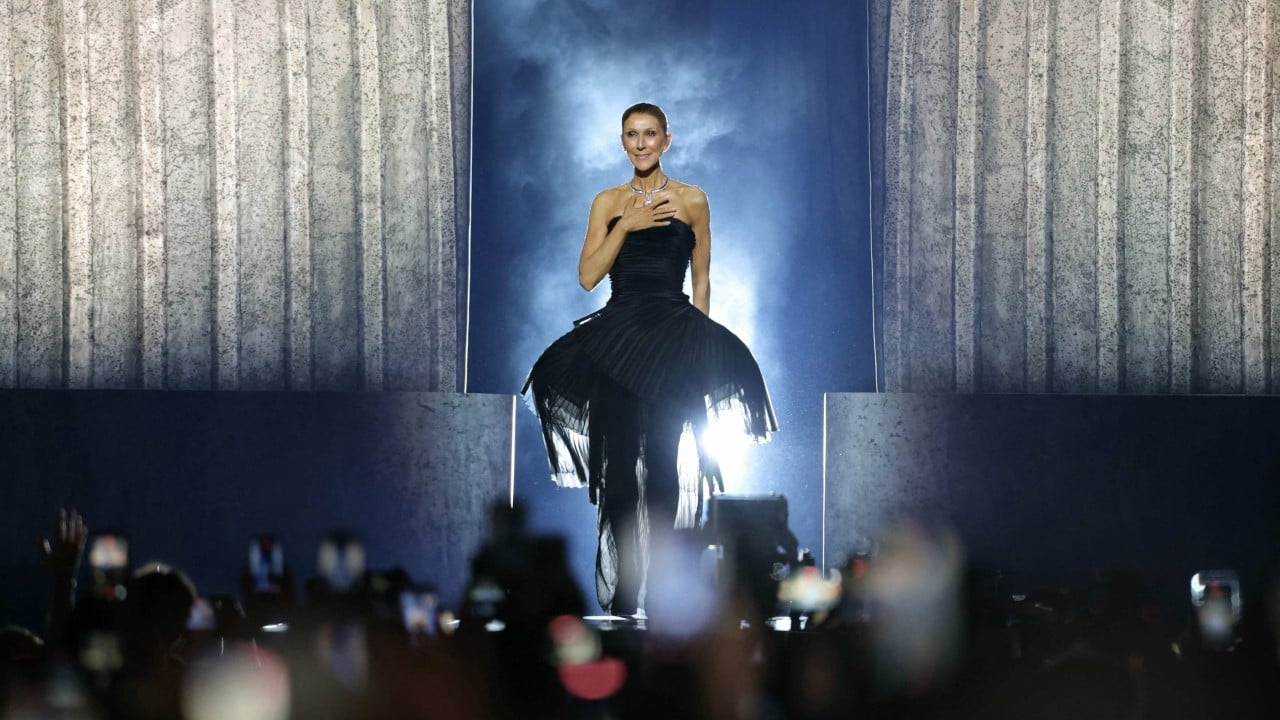
You don't just bounce back from stiff person syndrome. You survive it, rebuild yourself, and hope your vocal cords still listen to you. When Celine Dion walked onto the stage at the Plénitude Arena in Nanterre, she wasn't just performing a standard pop concert. She was proving medical odds completely wrong.
For over six years, the global superstar stayed away from full-length concert tours. A rare, progressive neurological disease attacked her muscles, throwing her career into absolute chaos and forcing her to cancel dates worldwide. Watching her stand before 30,000 cheering fans to deliver a 25-song set spanning over two hours feels staggering. Let's look past the glossy headlines and examine what this return actually means.
The Brutal Reality of Stiff Person Syndrome
Stiff person syndrome affects roughly one or two people in every million. It turns your body into a battleground of rigid muscles and violent spasms triggered by simple things like loud noises or emotional stress. For a professional singer, the impact hits the larynx directly. Celine previously described singing with the condition as feeling like someone is choking you.
When she sang a single song from the Eiffel Tower during the 2024 Olympic opening ceremonies, the world watched in awe. But doing a four-minute television spot is vastly different from facing a punishing multi-week schedule. She didn't just show up for a quick publicity stunt. She committed to a brutal run of 16 intense shows in five weeks, followed by another bloc of dates.
Every high note she hits now involves an intentional, high-stakes choice. Her voice has changed. It carries a raw, hard-earned weight that wasn't there during her peak residency years in Las Vegas.
Why This Comeback Breaks the Mold
Most aging pop acts launch comeback tours out of financial necessity or sheer boredom. That doesn't apply here. Celine spent 2,379 days away from the stage trying to figure out if her body would ever cooperate again.
When she broke down in tears during her opening night after missing a cue on "On ne change pas," she didn't hide behind backing tracks or leave the stage. She owned the vulnerability. The crowd instantly responded by chanting soccer anthems to back her up. That kind of connection cannot be manufactured by a management team.
Industry analysts often underestimate the sheer physical stamina required for modern arena shows. Staging a production with gray megaliths, a massive gospel choir, and demanding vocal arrangements like Catalani's "Ebben? Ne andrò lontana" requires elite conditioning. She went for the complex operatic pieces anyway, wearing a Dior gown while artificial snow fell around her.
What We Can Learn From Her Return
If you are dealing with chronic setbacks, burnout, or health crises, the narrative around recovery is often deeply toxic. People expect a clean, linear healing arc where you pop a few pills, rest, and return exactly as you were before.
Celine’s return dismantles that myth completely. She is performing differently because she has to. She accepts the new boundaries of her instrument instead of pretending the disease never happened. She didn't wait until she was 100% invincible to try. She stepped into the spotlight while still managing fragility.
Stop waiting for the perfect, frictionless moment to restart your own projects. If a legendary vocalist can step in front of tens of thousands of people with a compromised voice and still command the room, you can take that messy first step today. Check your assumptions, lower your demand for instant perfection, and get back to work.