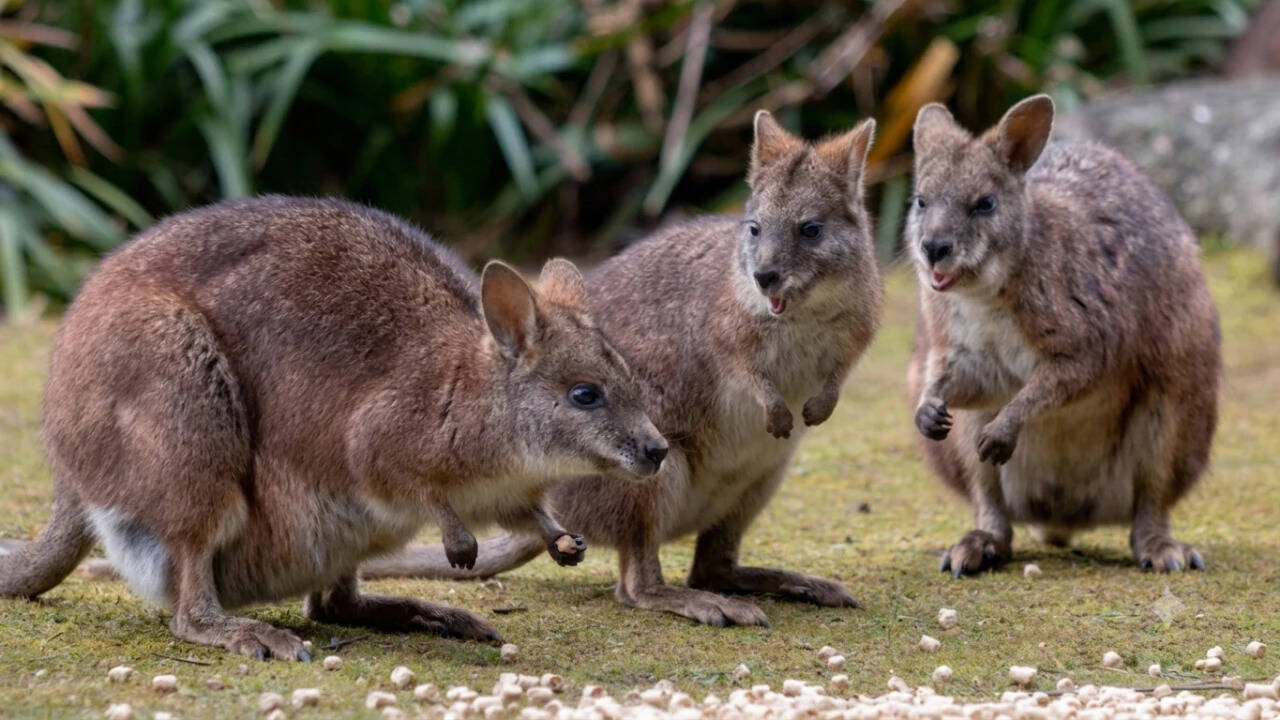
Back in 1912, nobody thought a few introduced wallabies near Rotorua would turn into an ecological disaster. They looked harmless enough. Today, those same animals occupy more than 200,000 hectares of New Zealand's North Island, and the threat they pose is completely real.
If left unchecked, government estimates show they could overrun a third of the country by 2065. The economic and environmental fallout is projected to hit $84 million every single year. You're looking at a slow-moving invasion that most people outside of conservation circles completely ignore.
The Roots of the Crisis
How did we get here? It started over a century ago when Dama wallabies from Kawau Island were released near Lake Okareka in the Bay of Plenty. Back then, acclimatisation societies were busy importing foreign species to make landscapes feel more like home or to establish game populations. They didn't anticipate how well these marsupials would adapt.
Without native predators to keep numbers down, the wallabies found an open invitation. Their current range stretches from Rotorua east to Kawerau, pushing south beyond Rainbow Mountain toward the Paeroa Range. Natural barriers like lakes and rivers have slowed them down in places, but human interference has often helped them jump those boundaries. People move them around, sometimes unknowingly or carelessly, letting them establish new pockets far from their original footprint.
Why Wallabies Are an Ecological Menace
People often ask why a cute marsupial causes so much panic. The answer comes down to what they eat and how they multiply.
Wallabies are nocturnal and cautious, spending daylight hours hiding in dense forest or scrub. When night falls, they feast on native tree seedlings, ferns, and grasses. That steady browsing changes the very structure of native forests. When seedlings are eaten before they can grow, old trees die off without replacements. The forest canopy opens up, weeds take over, and native birds lose the food sources and habitats they desperately need to survive.
The damage doesn't stop at native bush. Commercial forestry operators face heavy losses when wallabies chew through young pine and eucalyptus seedlings. Meanwhile, farmers deal with direct competition for pasture. Wallabies eat the grass that should be feeding livestock, dragging down agricultural productivity across the region.
The Hard Reality of Control Efforts
Controlling a mobile, nocturnal pest is brutally difficult. Wallabies move up to two kilometres a year on average, slipping quietly through rugged terrain.
On private farmland, night shooting remains a primary tool. It requires skilled, licensed shooters who can place shots accurately in the dark. Poisoning is another option, but it comes with complications. Only a limited number of pesticides are registered for wallabies, and where wallabies share territory with possums, those smaller, aggressive marsupials often crowd out wallabies from bait stations.
Authorities rely heavily on public vigilance. Regional councils are pleading with locals and visitors to report sightings, tracks, and droppings. A wallaby footprint has a distinct shape, and spotting them early is the only way to stop a small colony from turning into a permanent plague.
Classified under the Biosecurity Act as an unwanted organism, the wallaby problem requires active management today to prevent a catastrophic future tomorrow. Keep your eyes open, report unusual activity to local biosecurity teams, and don't assume someone else is handling it.