Thousands of people swimming past breakwaters, chaotic scenes on dusty Mediterranean beaches, and desperate human stories broadcast across international news feeds. When tens of thousands of migrants crossed from Morocco into the Spanish North African enclave of Ceuta in a matter of days, the world watched a familiar geopolitical pressure point explode back onto the front pages.
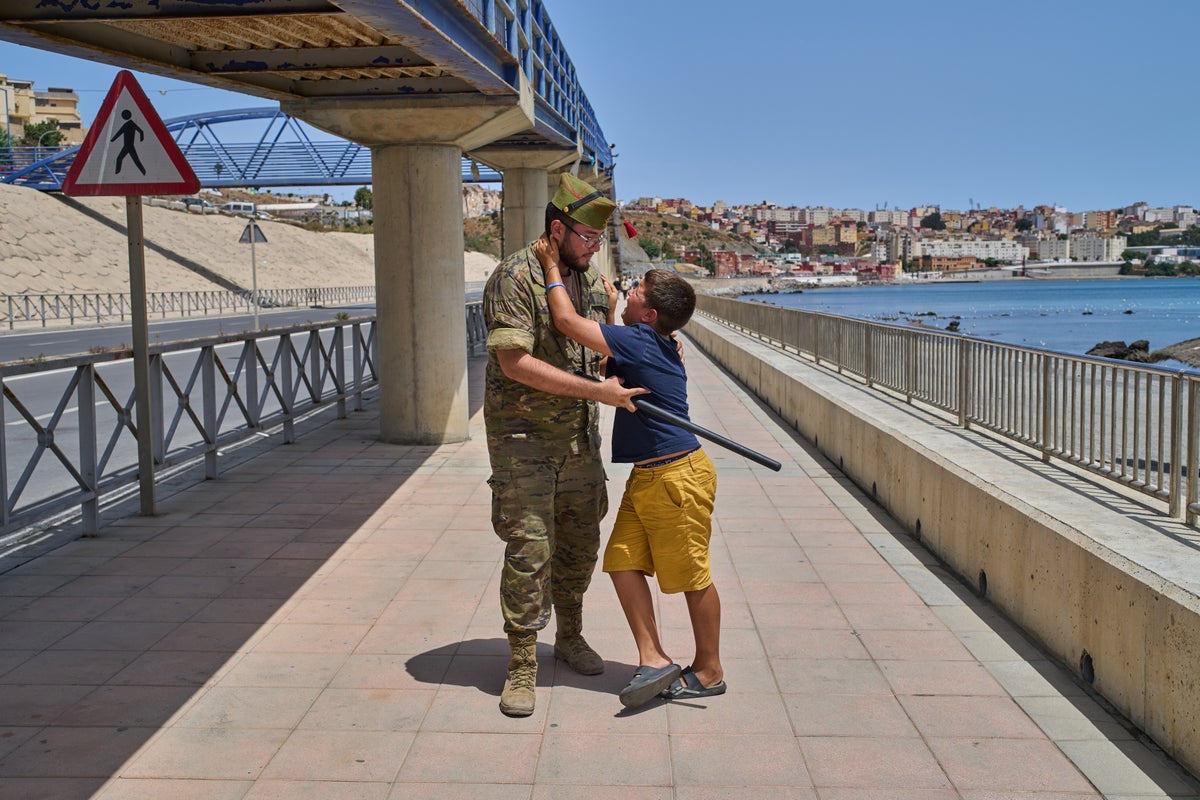
Behind the sheer scale of the numbers—with local officials estimating up to 60,000 arrivals—lie individual moments that capture the agonizing human cost of border enforcement. Among the starkest images to emerge from the enclave is the distressing sight of young, unaccompanied minors pleading with Spanish soldiers not to force them back across the frontier. These scenes lay bare the grinding friction between hard legal frameworks and the desperate realities driving youth to risk everything for a foothold in Europe.
What Triggered the Massive Surge in Ceuta
To understand why this happened, you have to look past simple economic despair. Smuggling networks and social media platforms played a massive role, weaponizing a specific legal shift to convince thousands to make the dangerous journey.
A recent Spanish Supreme Court ruling regarding migrants arriving by sea was distorted and spread rapidly through digital networks. Human traffickers exploited the ruling, convincing young men and teenagers that anyone reaching Spanish soil by swimming would be granted immediate legal protection from immediate summary deportation.
The reality on the ground quickly shattered those illusions. Prime Minister Pedro Sánchez denounced the mass crossing as a severe violation of territorial integrity, while thousands of Spanish troops and security personnel flooded the enclave. Within days, tens of thousands of people found themselves stranded on streets or sleeping rough in abandoned industrial parks, facing a wall of bureaucratic rejection and rapid return operations.
The Invisible Toll on Unaccompanied Minors
Statistics rarely capture the sheer confusion faced by the youngest arrivals. Hundreds of children and teenagers, some barely in their early teens, managed to swim past the border barriers only to find themselves caught in a legal limbo.
Under Spanish law, unaccompanied foreign minors are supposed to receive immediate attention from child protection services. Yet, amid the chaotic rush to secure the perimeter and process tens of thousands of returns, mistakes happen on the ground. Videos and eyewitness reports of young boys begging soldiers for a chance at a future highlight the institutional gridlock. When a child grabs onto a soldier's uniform or cries out in desperation, it exposes the brutal friction of a system overwhelmed by sudden volume.
Local authorities and humanitarian groups have repeatedly pointed out that processing these cases requires careful judicial oversight, not rushed deportations. Even so, the political imperative to restore order often moves faster than child welfare protections.
The Geopolitical Chessboard Behind the Border
Borders don't open by accident. While criminal networks profit from the desperation of migrants, mass migration events at Spanish enclaves like Ceuta and Melilla frequently double as instruments of coercive diplomacy.
Diplomatic tensions between Spain and Morocco have historically cast a long shadow over the border. Whenever bilateral relations hit a rough patch over regional issues like Western Sahara, enforcement mechanisms at the Moroccan frontier tend to loosen. Analysts point out that sudden waves of crossings rarely happen without a tacit relaxation of border controls on the other side.
Morocco routinely maintains that it prioritizes orderly migration, yet the speed at which the border can open and close suggests otherwise. When diplomatic signals fail or regional friction flares up, the border becomes a pressure valve.
Where Europe Goes From Here
The humanitarian disaster in Ceuta—marked by dozens of tragic deaths from drowning and stampedes at the breakwaters—forces a harsh reckoning for the European Union. Emergency meetings in Brussels and friction within the Schengen zone highlight how quickly regional stability unravels under migration pressure.
Simply deploying troops and speeding up summary returns treats the symptom while ignoring the systemic fuel driving young people to throw themselves into the Mediterranean. Until origin countries fix structural economic dead-ends and European states establish functional, safe legal pathways, these dramatic flashpoints will keep happening.
The tears of a child pleading on a Spanish beach won't change migration policy overnight, but they serve as an uncomfortable reminder of what happens when politics and human desperation collide at the edge of Europe.
Ceuta: Migrant boy swims to shore with plastic bottles tied to himself
This archival video footage demonstrates the exact physical routes, desperate swimming methods, and immediate coastal interactions between migrants and security forces that define the border crossing challenges in Ceuta.
http://googleusercontent.com/youtube_content/1