Thousands of people streaming across a European border in broad daylight changes things fast. When security checkpoints completely collapse, talk stops and emergency measures begin.
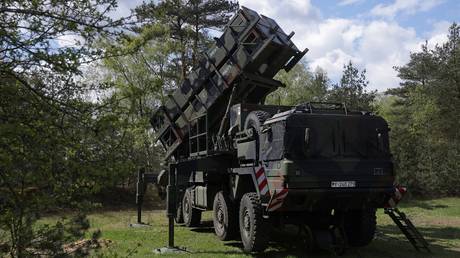
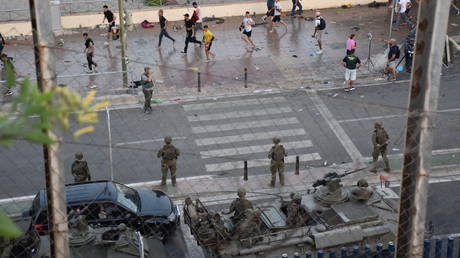
Spain is now deploying its armed forces to the border with Morocco in the North African enclave of Ceuta. The situation unfolded rapidly when massive crowds breached fences and swam around breakwaters at Tarajal beach. Local police found themselves entirely overwhelmed. Law enforcement associations called the situation absolute chaos.
If you look past the breaking news alerts, this crisis exposes deep vulnerabilities in how Europe guards its southern frontier. Let's break down what actually happened, why local authorities panicked, and what comes next.
How the Ceuta Border Collapsed Overnight
The scale of the breach caught Madrid flat-footed. Over the span of just a few hours, thousands of individuals—mostly young men, alongside some families with children—poured past the frontier. Some bypassed the primary physical barriers by swimming around coastal breakwaters from nearby Moroccan towns like Fnideq. Others climbed high fences or crossed directly when unusual circumstances left the Tarajal crossing open.
Eyewitness footage captured groups walking onto local roads, with some individuals shouting cheers toward the shore. Behind that chaotic jubilation, however, a grim reality emerged. Local delegations confirmed that at least nine people lost their lives during the frantic attempts to reach the territory.
Local facilities crumbled under the weight of the influx. Reception centers filled up instantly, leaving hundreds of people sleeping out in the open streets.
Why Local Officials Demanded an Emergency Declaration
Juan Jesús Vivas, the head of Ceuta's regional government, wasted no time. He pushed Madrid to declare a formal state of emergency on national security grounds, pleading for soldiers to lock down the perimeter.
The central government in Madrid hit a legal roadblock. Spanish law does not classify standard migration spikes as direct threats to national security, meaning a full national emergency couldn't be signed off on paper. Even so, the urgency on the ground forced the administration to pivot. Prime Minister Pedro Sánchez and Interior Minister Fernando Grande-Marlaska scrambled responses, sending the military to reinforce the Guardia Civil.
Tensions also tie back to recent legal battles. Earlier in the month, a Spanish Supreme Court ruling dictated that migrants arriving via maritime routes cannot face immediate pushbacks without due process. Critics and local officials pointed to that ruling as an incentive driving the surge, though human rights advocates argue most individuals on the ground never parse complex courtroom statutes before running for the border.
Echoes of Past Crises and Diplomatic Realities
These scenes look identical to the major breakdown back in May 2021, when over 8,000 people flooded into Ceuta within a 48-hour window. That prior incident stemmed directly from a sharp bilateral dispute between Madrid and Rabat over medical treatment for a foreign political figure.
This time, the diplomatic channels look different. Spain's interior ministry insists that Moroccan authorities are cooperating behind the scenes, deploying their own security forces to stop subsequent waves on the other side of the fence. Both governments pledged to fast-track the return of everyone who entered the territory outside legal channels.
Still, trust remains fragile. Enclaves like Ceuta and Melilla sit in a permanent geopolitical pressure cooker. They represent the only land borders joining the European Union with the African continent, making them prime flashpoints whenever economic desperation or diplomatic friction spikes.
What Happens Next on the Ground
Deploying armed troops to back up border police restores a temporary shield, but it doesn't solve the core logistical nightmare. Thousands of undocumented arrivals remain inside an enclave measuring just a few square miles.
Madrid faces mounting pressure to manage returns quickly while navigating strict European human rights obligations. Expect heavy political fallout across Spain as opposition leaders demand accountability for the security failure.
Watch for expedited deportation flights and tightened naval patrols off the coast of Fnideq over the coming days. The military presence in Ceuta is locked in place, but the underlying pressure at the border gate isn't going away.