Geopolitical games rarely look like high-stakes spy thrillers on the ground. Sometimes, they look like a couple sitting in an office in Chandigarh, setting up websites, registering domain names, and issuing fraudulent maritime certifications.
The US Treasury Department recently dropped a massive enforcement hammer on an Indian couple—Suniel Kumar Sharma and his wife, Jaspreet Preeti Shahid—accusing them of running an elaborate, multi-year maritime fraud network. Their alleged crime? Giving fake flags and bogus safety credentials to the "shadow fleet" hauling Iranian petroleum.
If you've been wondering how sanctioned regimes keep exporting oil despite heavy blockades, this case pulls back the curtain on the messy, digital-age underbelly of global shipping compliance.
The Anatomy of Maritime Ghost Registries
How do you hide an oil tanker from the US Navy or international regulators? You give it a fake identity.
According to Treasury findings, Sharma and Shahid operated a web of fraudulent entities that claimed to represent sovereign nations—ranging from Guyana and Eswatini to Laos and Sint Maarten. They built websites that looked official, offered seafarer training, and churned out vessel classifications and flags out of thin air.
Legitimate flagging authorities hold ships to rigorous international safety and environmental standards. These bogus registries did the opposite. They existed solely to give sanctioned vessels—including those linked to the Iranian military and its proxies—a clean paper trail.
For instance, US regulators pointed out that Sharma set up a Singapore-based front called Eswatini Maritime Affairs and International Ship Registry back in 2023. Even after the actual government of Eswatini publicly disavowed the outfit, the registry kept certifying ships like the PING SHUN, which was later caught moving Iranian oil.
Either Be With Us Or Against Us
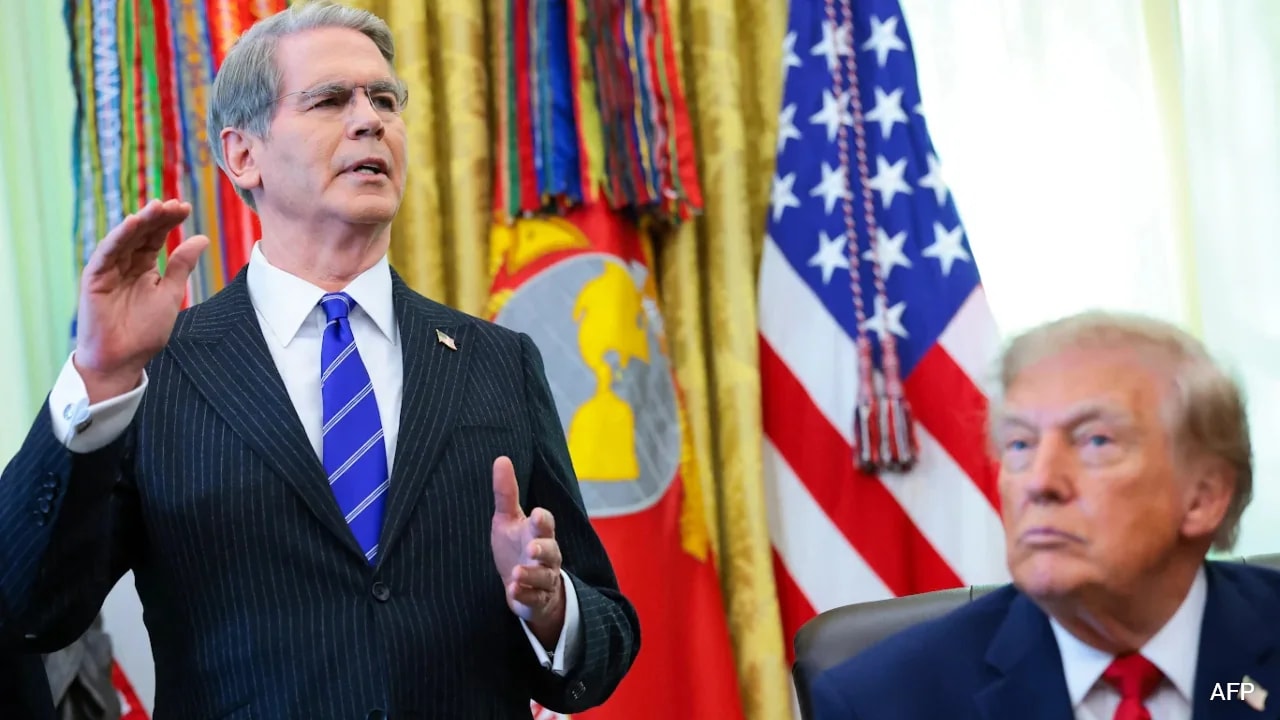
US Treasury Secretary Scott Bessent didn't mince words when announcing the penalties under "Operation Economic Outcast". The official line from Washington is blunt: compliance isn't optional, and anyone helping Tehran move oil by land, sea, or air is stepping directly into the crosshairs.
That blunt ultimatum signals a major shift in enforcement intensity. Washington isn't just targeting the tankers or the state energy firms anymore. They are hunting down the administrative middlemen—the corporate registrators, web domain buyers, and back-office facilitators who make shadow fleets possible.
The sanctions didn't stop with Sharma and Shahid. The US Treasury also designated other Indian nationals, including Ashwani Kumar Dhiman and Ishwinder Singh, alongside a cluster of India-based firms like Oceaniek Technologies India, Aryavart Ship Management, and various financial and media entities managed by Shahid.
Why Global Supply Chains Make This So Easy
Global shipping runs on trust and paperwork. When a ship flies a flag, port authorities and insurers usually take those documents at face value. Verifying every single maritime certification across obscure registries requires intense cross-border coordination.
Operators exploit these bureaucratic gaps easily. When international scrutiny grew too hot on one front—such as when Sharma's Laos Ship Registry or Guyana-linked operations drew public heat—management duties shifted to family members, or new shell companies popped up under different names.
This shell-game approach shows why unilateral sanctions face massive enforcement hurdles. As long as there is money to be made moving restricted energy supplies, entrepreneurial operators will find loopholes in the regulatory architecture.
The Broader Fallout for Maritime Compliance
This crackdown sends a chilling message to third-country intermediaries worldwide. If you're running a maritime service, a corporate registry, or a logistics firm, turning a blind eye to who owns the cargo or what flag a vessel flies is no longer a safe business model.
The US Treasury has made it clear that secondary sanctions will reach deep into local jurisdictions, targeting everyday corporate directors and private companies. For the shipping industry, the takeaway is stark. The era of loose administrative oversight for high-risk trades is closing fast, and the penalties for getting caught are severe.
Check your compliance protocols, vet your registries, and assume regulators are looking closer than ever at the digital paper trail behind every vessel on the water.