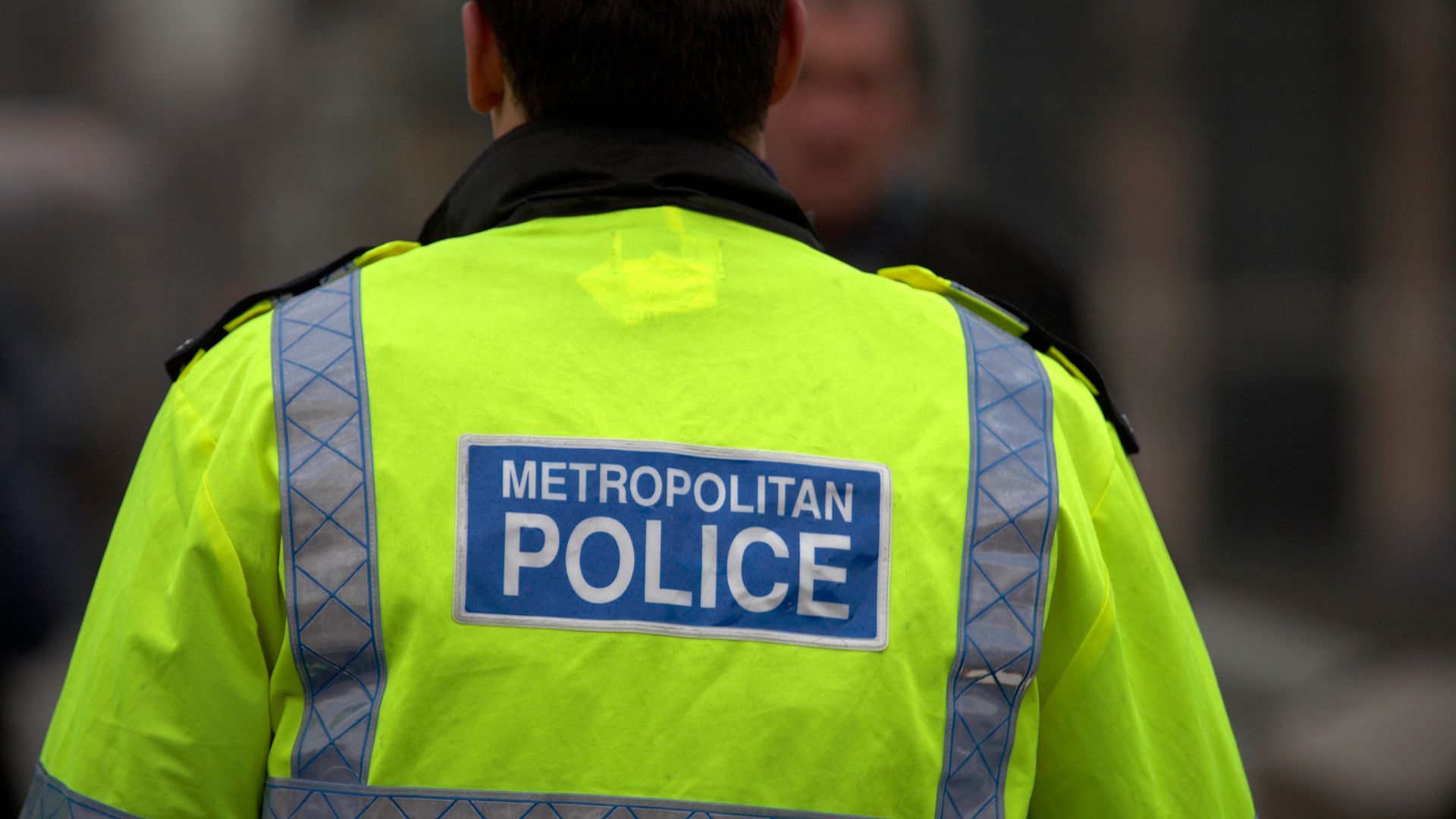
Thirteen. That is how many serving officers have lost their jobs since a covert investigation dragged the internal rot at London's Charing Cross police station out into the open. The fallout from the BBC Panorama documentary Undercover in the Police keeps expanding, proving that a single broadcast was only the tip of a massive iceberg.
Two more Metropolitan Police officers, PC Mason O'Connor and PC Lloyd Hunter, were officially dismissed following gross misconduct hearings. If you are wondering why this matter continues to dominate headlines, it's because these aren't isolated bad apples. They represent a systemic cultural failure that the Met is scrambling to root out. You might also find this connected story insightful: Why Us Attorney General Todd Blanche Is Shrugging Off The Russian Billionaire Wedding Funding Controversy.
The Latest Disclosures
The disciplinary panels didn't mince words. PC Mason O'Connor faced a hearing after evidence proved he told a female colleague, "I hope you get raped on your way to Waterloo," while off-duty at a pub in October 2024. That allegation surfaced during a proactive, wider internal investigation launched in the wake of the original media exposé.
Meanwhile, PC Lloyd Hunter was sacked after separate hearings confirmed he made comments trivializing the use of force and stating he "hated" homeless people during off-duty drinks in November 2024. While Hunter's remarks were caught on camera by the undercover crew, they weren't even part of the initial broadcast. The footage was handed over later to the Independent Office for Police Conduct (IOPC), keeping the probe alive and expanding its scope. As discussed in latest articles by The New York Times, the implications are notable.
Both men breached professional standards regarding authority, respect, courtesy, equality, diversity, and discreditable conduct. They have now joined the College of Policing's barred list, meaning they can never work in law enforcement or related bodies again. Good riddance.
Why This Investigation Keeps Growing
When undercover reporting exposes institutional rot, organizations usually try to contain the damage. They issue apologies, suspend a few high-profile figures, and hope the news cycle moves on. But the Met's approach had to change following relentless public outrage and independent oversight.
The IOPC didn't stop when the cameras turned off. Investigators took extra, unaired audio and video material and started looking at the behavior of roughly 15 more staff members. Commander Simon Messinger, responsible for the Met's professionalism department, has publicly acknowledged that the investigation remains active.
The Real Cost to Public Trust
You cannot rebuild public confidence with PR statements alone. Every time another officer gets sacked for appalling misogyny, casual violence, or overt racism, it chips away at the credibility of the entire uniform. People need to feel safe around law enforcement. When officers joke about sexual violence or express hatred toward the vulnerable, that safety evaporates.
The numbers speak for themselves. Thirteen dismissals linked to a single station investigation is an extraordinary figure. It shows that the toxic subculture wasn't hidden in a dark corner; it was hiding in plain sight.
What Happens Next
The inquiry isn't over. With the IOPC actively reviewing additional footage and investigating more personnel tied to the Charing Cross station, expect more hearings in the coming months. The Met's leadership is under intense pressure to prove that internal standards are actually changing, rather than just reacting to media heat.
If you want to track how law enforcement accountability evolves in the UK, watch how aggressively the Independent Office for Police Conduct pursues the remaining active cases. The purge at Charing Cross is far from finished.