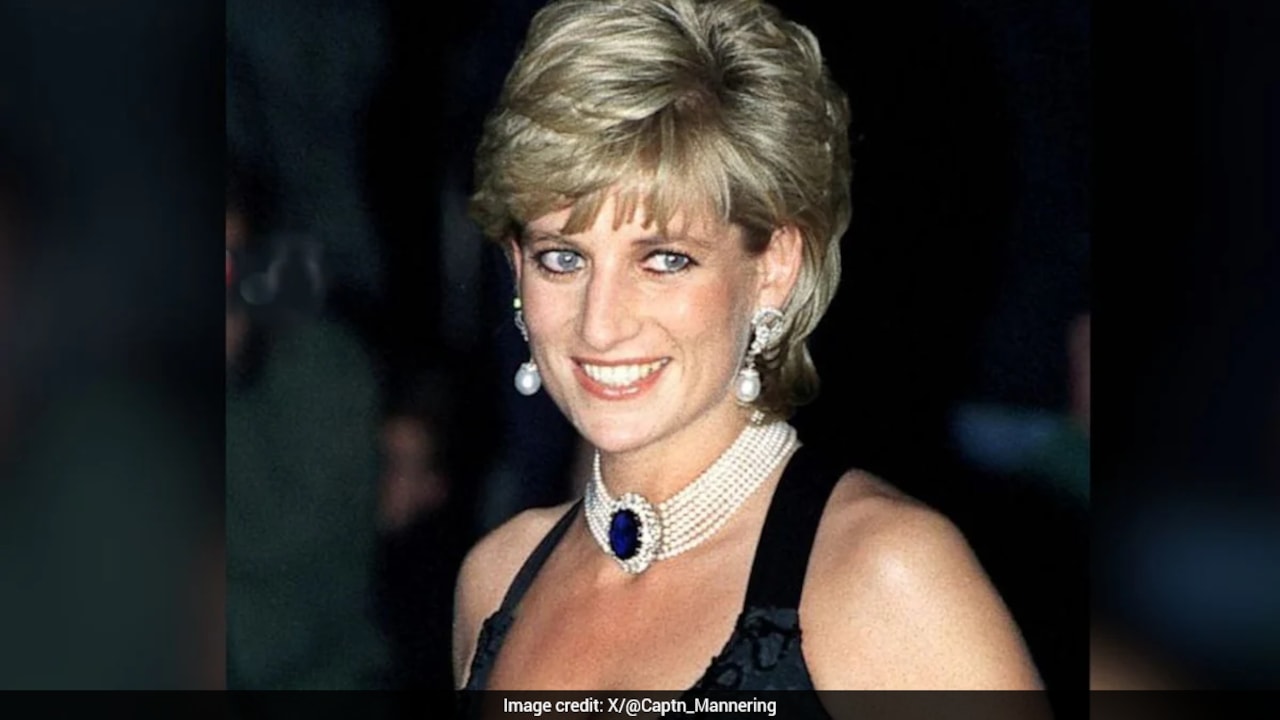
Nearly thirty years have passed since the world stood still. August 1997 changed everything for the British royal family and for the millions who felt like they knew the Princess of Wales. Now, as the three-decade mark approaches, Earl Charles Spencer is stepping back into the public eye. He isn't doing it for the attention, or at least, that is what he wants us to believe. His upcoming book, Swan Song: Diana, My Sister, promises to set the record straight once and for all.
People love a royal secret. They crave the inside story. But honestly, most of what we hear about Diana these days is filtered through tabloid headlines or royal biographers who never actually met her. Spencer is taking a different approach. He’s positioning this book as a corrective measure against decades of misinformation.
The weight of the truth
Why now? It is a fair question. Spencer claims he has been inundated with requests for years. Every time an anniversary rolls around, the media machine cranks up. He is tired of the narrative drifting away from reality. He says many of the stories circulating about his sister are based on untruths that have simply become accepted over time. It’s an ambitious goal. Correcting the public perception of the most photographed woman in history is no small feat.
He isn't trying to be a historian. He’s being a brother. That perspective carries a specific kind of authority, but it also carries baggage. We have to be realistic about what that means for the reader. This will not be a cold, objective assessment of her life. It is a personal memoir. It is his memory. That is the value here, but it is also the limitation.
Why this book matters
The publishing world moves fast. Penguin Random House isn't calling this a minor project. It is clearly a major release, scheduled for September 22 and arriving in 12 languages. They are branding it as a work of historic importance. That is marketing speak, sure, but look at the context. We have a fractured royal family. Prince William and Prince Harry are barely speaking. King Charles III is on the throne. The dynamics are entirely different from the ones Diana navigated.
Spencer remains one of the few people who has managed to keep a bridge open between these sides. His recent hosting of Prince Harry and Meghan at Althorp suggests he still has a front-row seat to the modern drama, even if he stays quiet about the messy details. If you are looking for dirt on the current royal rift, you might be disappointed. He seems more interested in humanizing his sister for a generation that was born long after she died.
Moving past the myths
We have reached a saturation point with Diana content. Streaming services, documentaries, and unauthorized biographies have bled the story dry. What could possibly be left? Spencer thinks there is a version of Diana that hasn't been captured yet. He describes her as a dynamic, charismatic, and often self-doubting person who wasn't just a victim of the institution. He wants to show the woman behind the icon.
Many people view her through the lens of her tragic end. It defines her legacy. Spencer wants to shift that focus to the life she actually lived. He is aiming to provide a portrait of a person who gave life a hell of a go. Whether he succeeds depends on how much he is willing to leave on the page. Does he address the mistakes? Does he talk about the friction with the palace in a way that feels new? That remains the million-dollar question.
How to navigate the noise
If you find yourself interested in this story, keep a few things in mind before you dive into the book.
- Acknowledge the source. This is a memoir. It is subjective by design. You aren't reading a peer-reviewed historical text. You are reading a brother’s account of his sister.
- Watch the timeline. Pay attention to when he talks about specific events. His memory might differ from official palace records or previous accounts. That discrepancy is actually where the most interesting stuff usually lives.
- Compare notes. If you are serious about understanding this era, pair the book with other primary accounts. Look at what people around her were saying at the time, not just what is being curated now.
The industry is already hyping this up. It will dominate the news cycle in late September. If you want to get the most out of the conversation, skip the secondary summaries. Read the direct source material and decide for yourself what holds water.
History is rarely a fixed thing. It shifts every time someone new tells the story. In a few months, we will see if Spencer’s version of the truth is enough to change the collective memory. For now, we wait. If you are a fan of royal history, keep an eye on the release dates. Don't rely on the soundbites that will inevitably flood social media the week the book hits shelves. Go to the primary text. That is where you will find what actually matters.