Ask anyone to name a premier beach destination in the United States, and you will hear Miami, Honolulu, or San Diego. Nobody says Chicago. That is a massive mistake.
While most travelers associate the Windy City with deep-dish pizza, bone-chilling winter winds, and towering skyscrapers, it also houses 26 miles of uninterrupted freshwater shoreline. This includes nearly two dozen sandy swimming spots that rival coastal destinations without the briny saltwater or stinging jellyfish.
You do not need an ocean to experience world-class waterfront leisure. You just need a city that prioritized public access over private luxury.
How Industrial Sprawl Became a Public Oasis
In the mid-19th century, Chicago's lakefront looked nothing like it does today. The eastern edge of the city was a congested wasteland of smokestacks, railway yards, lumber mills, and industrial debris left behind after the 1871 Great Fire. Private commercial interests wanted to pave over the waterfront for freight and factories.
One man changed that trajectory entirely. Aaron Montgomery Ward, founder of the famous mail-order retail company, spent two decades fighting a relentless legal battle against the city and private developers. He sued four separate times to keep Grant Park entirely free and clear of buildings. His stubborn vision established a legal precedent that protected the entire downtown lakefront for public use.
By 1909, architects Daniel Burnham and Edward H. Bennett published their comprehensive plan for the city. They proposed reclaiming the shoreline to build an unbroken chain of parks, public harbors, and sandy beaches spanning the entire length of the city. Industrial docks were pushed south toward the Calumet River. The waterfront was handed back to everyday residents.
Where to Find the Best Urban Sand
Visiting Chicago in the summer changes everything you think you know about the Midwest. The weather gets genuinely hot, and the lakefront comes alive.
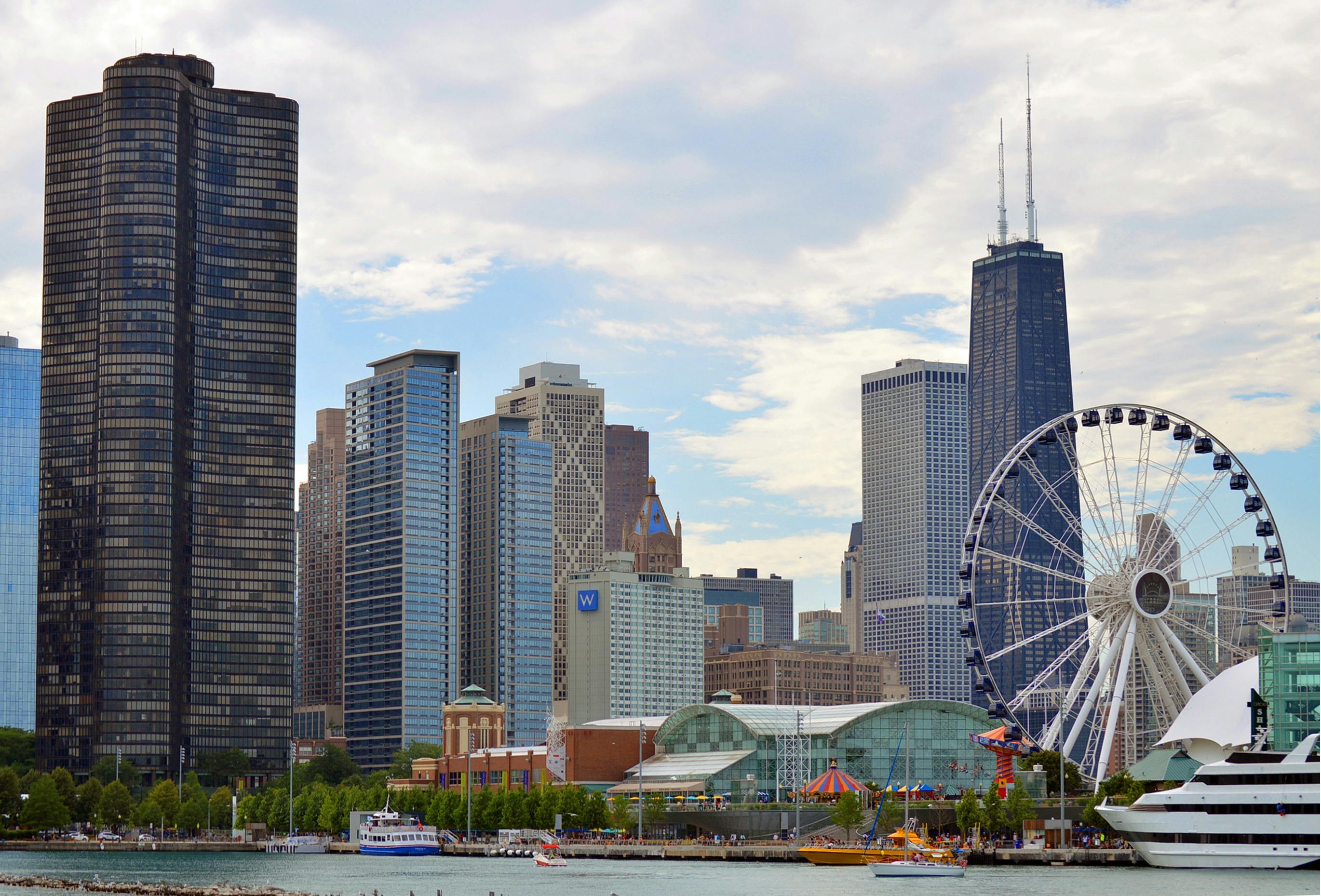
Oak Street Beach sits right at the edge of the Gold Coast neighborhood, offering a surreal contrast between sunbathers on soft sand and the massive silhouette of the John Hancock Center rising just blocks away. Volleyball nets go up, cyclists fly down the Lakefront Trail, and local vendors push colorful ice cream carts through the crowds.
If you walk further north toward Lincoln Park, you hit North Avenue Beach, which serves as the social epicenter for beach volleyball tournaments and outdoor gatherings. The boat-shaped beach house provides a lively hub for food and drinks right on the sand.
For something a bit quieter, head south toward Jackson Park and the reclaimed green spaces of Northerly Island Park. These areas offer tranquil ponds, native wildflowers, and uncrowded stretches of shoreline where you can watch sailboats glide across Lake Michigan in peace.
Navigating the Waterfront Beyond the Sand
The lakefront experience extends far beyond sunbathing. The 18.5-mile Lakefront Trail acts as an artery for runners, commuters, and casual cyclists, completely separated from vehicular traffic.
Right in the heart of downtown, the Chicago Riverwalk transformed a neglected industrial shipping channel into a bustling pedestrian haven. Designed by Ross Barney Architects, this multi-level stone pathway gives you space to walk, grab a coffee, or rent a kayak right underneath historic moveable bridges.
If you want the ultimate view of the city's architectural masterpieces, hop on one of the classic river architecture tours. Gliding past the Wrigley Building and the Willis Tower from the water level reveals the sheer scale of the city's engineering history.
Skip the brutal winter months unless you enjoy sub-zero temperatures off the lake. Plan your trip between June and September to experience the city at its peak. Pack comfortable walking shoes, a swimsuit, and an open mind. Chicago is not just a concrete jungle. It is an unexpected beach paradise hiding in plain sight.