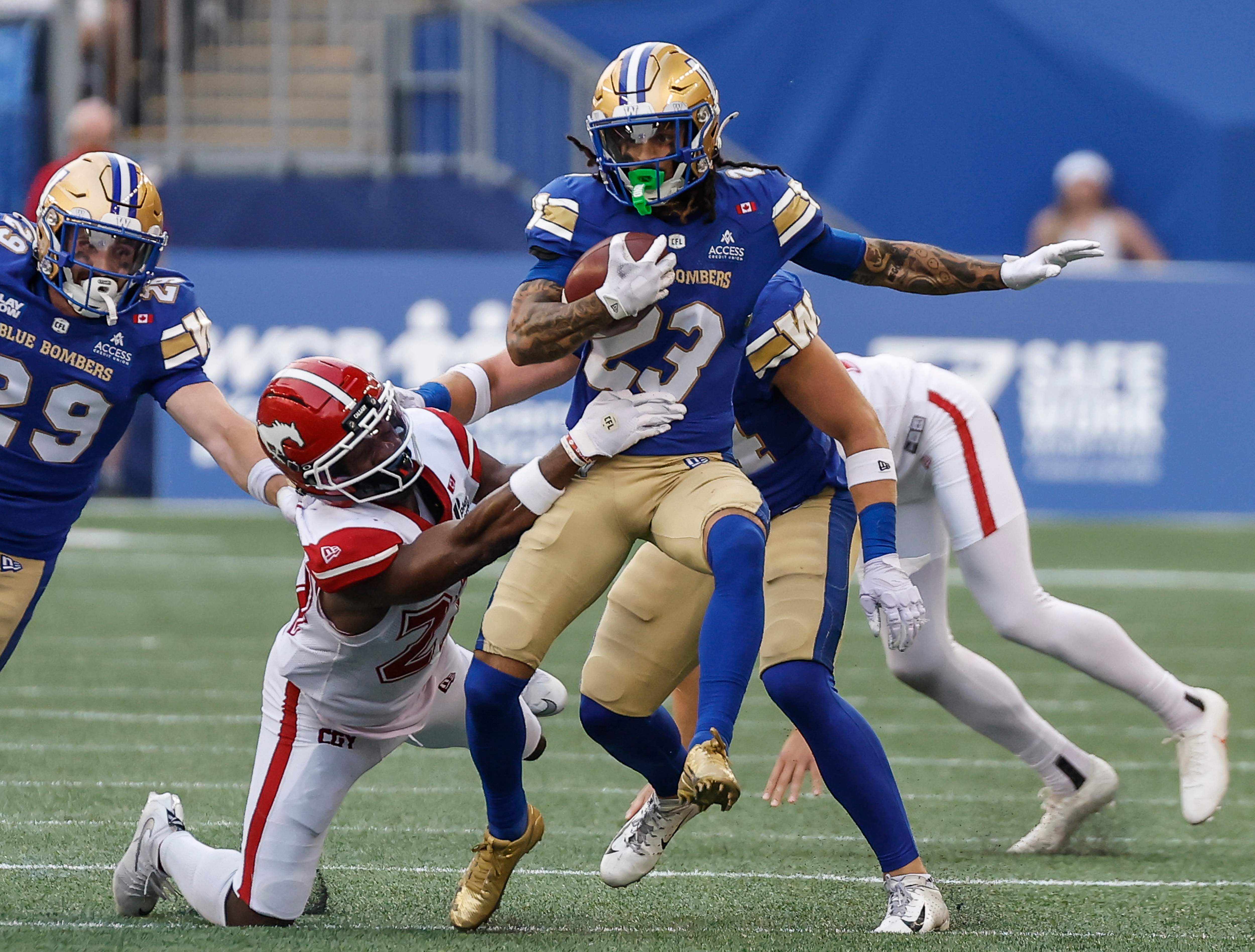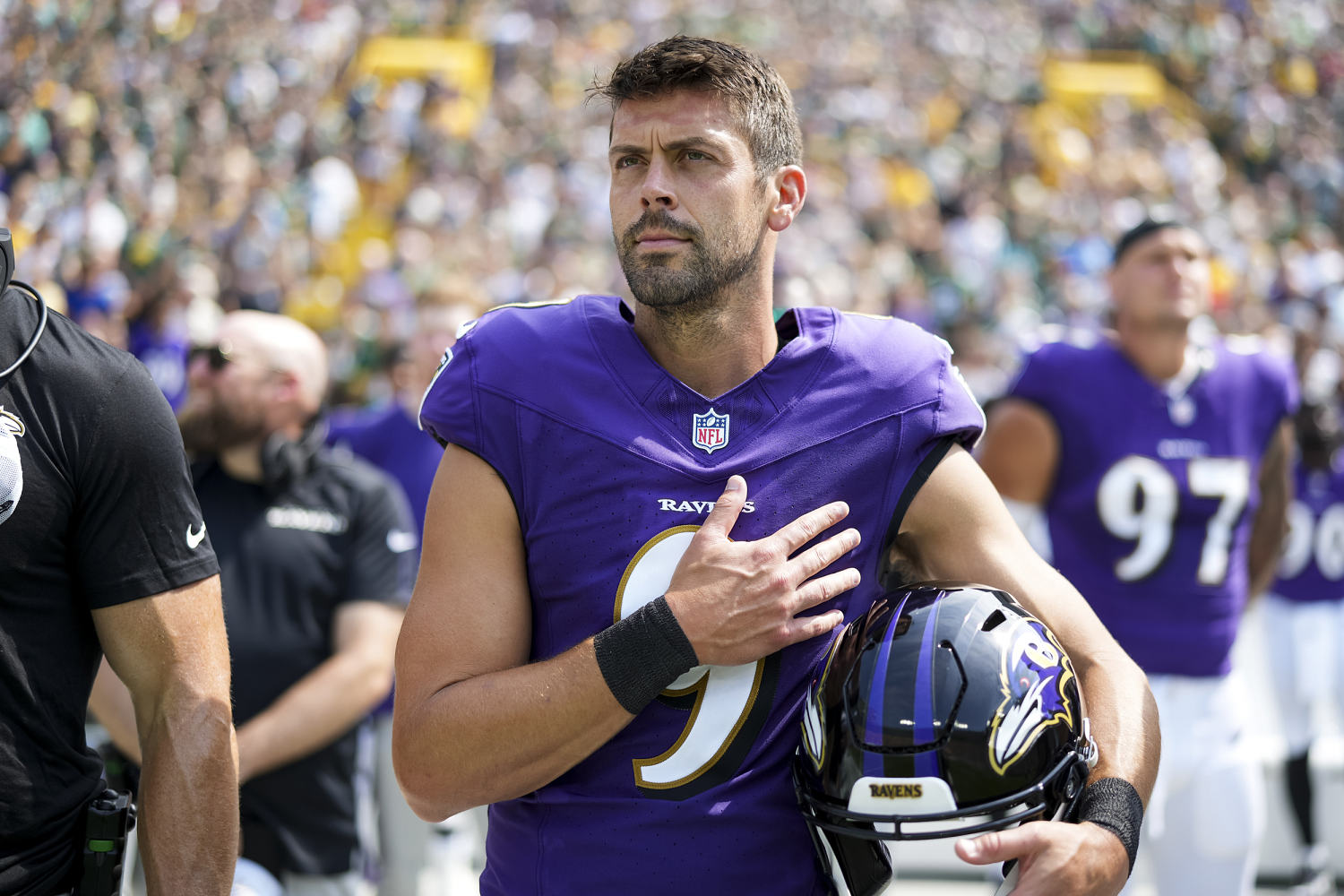
When a football team starts losing games, front offices stop caring about the baggage. They only care about the uprights.
The Kansas City Chiefs just proved this rule once again by signing veteran kicker Justin Tucker to their practice squad. If that name makes you pause, you remember the headlines from 2025. Tucker spent a massive chunk of that year suspended after 16 massage therapists across eight Baltimore-area spas accused him of severe sexual misconduct. He denied the claims, but the NFL handed down a ten-game ban for violating the personal conduct policy. The Baltimore Ravens cut ties with him soon after, and he sat unsigned for months.
Now, desperation has brought him back into the league. With starting kicker Harrison Butker mired in a brutal slump—missing 10 field goals and five extra points over a stretch spanning back into last season—Kansas City needed insurance. They evaluated a few options, brought Tucker in, and handed him a spot.
Head coach Andy Reid faced the music during his mid-week press conference, and his answers showcased the standard playbook sports franchises use when welcoming back controversial talent.
The Andy Reid Defense Strategy
Reid sat at the podium and fielded five straight minutes of direct, uncomfortable questions about what this signing means. Reporters wanted to know what kind of message it sends to female fans, how the front office vetted him, and why the team felt compelled to give him a second chance.
Reid kept his responses short, defensive, and entirely transactional.
"He's done his suspension, you know, took care of that business there. But I'll leave it at that for you," Reid told reporters.
When pushed on the specifics of the team's background check, Reid claimed the organization did their homework and spoke with numerous people. But when pressed further on what that investigation actually entailed, he shut the door.
"Listen, I'm not going to get into all that," Reid stated.
This is the classic shield of modern professional sports. Once a player serves an arbitrary suspension handed down by the league office, the slate is magically wiped clean. It does not matter that the allegations involved 16 different women. It does not matter that the accusations depicted a disturbing pattern of behavior inside private treatment rooms. The league office checked a box, the player sat out, and therefore, football teams feel morally authorized to hand out new contracts.
The Performance Over Principle Equation
Let's be completely honest about why this happens. Professional sports leagues do not operate as moral arbiters. They operate as entertainment conglomerates driven by wins, losses, and television ratings.
Justin Tucker was once universally regarded as the gold standard at his position. During his long tenure with Baltimore, he hit clutch kicks from 66 yards out and built a Hall of Fame resume. But by 2024, his accuracy dipped to a career-low 73.3 percent, and the off-field scandal triggered his exit.
When Butker started missing kicks this season, the Chiefs didn't look at available free agents through an ethical lens. They looked through a performance lens. They worked out a few other kickers, realized Tucker still has a powerful leg, and decided that the PR fallout was a price worth paying for better special teams execution.
Fans often delude themselves into thinking their favorite franchises hold higher standards. They expect owners and coaches to care about community values and locker room culture above all else. But time and again, talent wins. If you can kick a football through the center of the uprights from 55 yards away, teams will find a way to justify your past.
The Double Standard of Kicker Drama
Kansas City is uniquely positioned to irony-poison its own locker room narrative. Before Tucker arrived, their primary kicker was already a lightning rod for controversy. Harrison Butker spent years generating national headlines for social and political stances, including a polarizing commencement speech where he criticized Pride Month and told female graduates that their most important role was homemaking.
Now, the Chiefs feature a kicker room filled with players who dominate the news cycle for entirely non-football reasons.
Quarterback Patrick Mahomes was also asked about the dynamic, brushing it aside by noting that teammates are just here to play a game and win. That insular mindset is standard inside an NFL locker room. Players are conditioned to ignore everything outside the white lines if it means securing another ring.
Where We Go From Here
Tucker is currently sitting on the practice squad. That means he isn't guaranteed to kick on Sunday, but it gives the coaching staff a low-risk window to evaluate his leg before making a permanent roster elevation.
If he steps onto the field and drills his kicks, the fan base will cheer. The broadcasters will praise his veteran poise. The off-field allegations will quietly fade into the background noise of a long NFL season, waiting for the next controversy to take its place.
That is the reality of sports business. Winning cures PR nightmares, and a missed field goal is treated as a far greater sin than a stained reputation.