Walk through any major port terminal in Rotterdam or Rio right now, and you'll see rows upon rows of sleek electric vehicles waiting to be unloaded. They come from factories in Shenzhen and Shanghai, wrapped in protective plastic, carrying price tags that terrify legacy automakers in Detroit, Wolfsburg, and Tokyo.
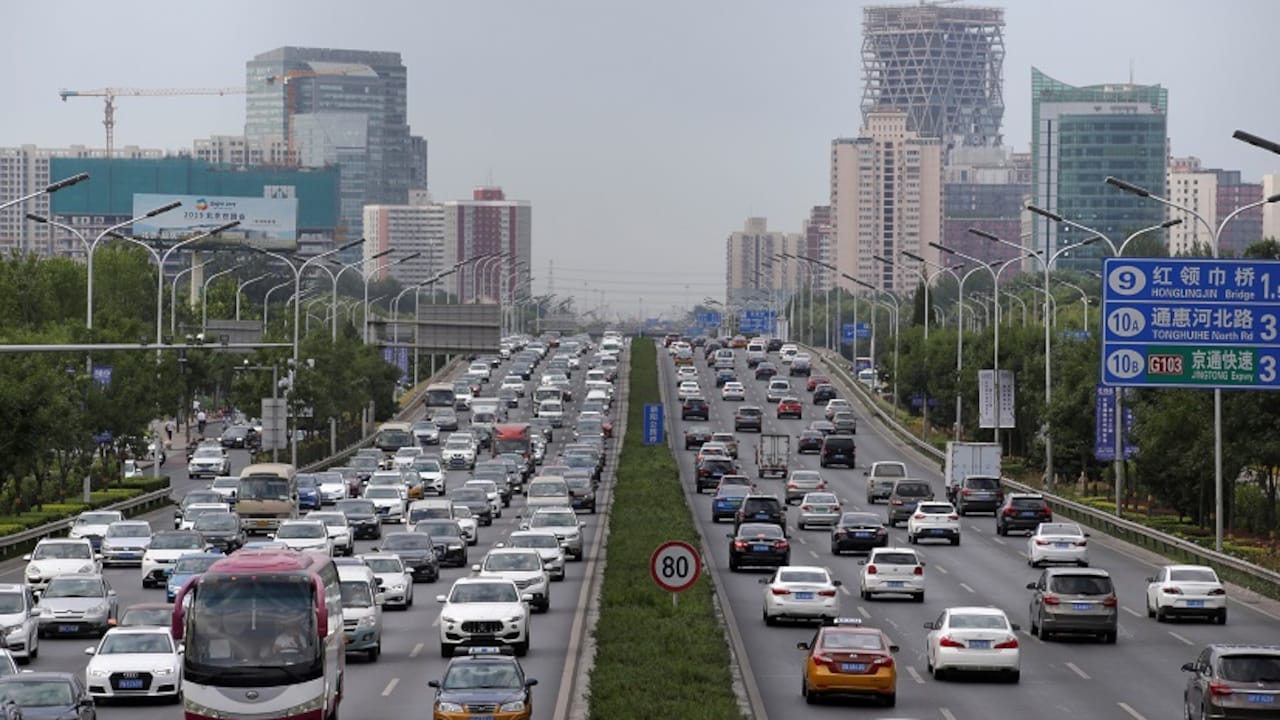
Look closer at the domestic market back in China, though, and a completely different picture emerges. Dealerships are quiet. Domestic retail sales have stumbled through consecutive months of declines, and parking lots outside manufacturing hubs are choked with unsold inventory.
It is the great paradox of the modern auto industry. China's new-energy vehicle sector is conquering the planet while fighting a grueling battle for survival on its own turf.
The Overcapacity Trap Nobody Wanted to Talk About
How do you build an industrial titan that outpaces the rest of the world yet struggles to keep its own consumers buying? You look at how the machine was built. For years, local and national governments poured cheap capital, tax breaks, and land grants into electric vehicle manufacturing. The goal was simple: win the clean-energy race at all costs.
It worked too well. Hundreds of brands popped up overnight, turning into a hyper-aggressive ecosystem where price wars became a blood sport. Automakers slashed prices month after month, eroding profit margins to near zero.
When domestic consumers stopped biting—weary of economic uncertainty and a saturated local market—the factories didn't slow down. Stopping a high-capacity assembly line in China triggers immediate cash-flow death. Instead of cutting production, factories redirected the flood overseas.
The Export Surge Is Not a Victory Lap
When you see headlines about Chinese electric vehicle exports jumping by triple digits, don't mistake it for pure organic demand. It is a survival mechanism.
In recent months, as local retail numbers dropped, overseas shipments more than doubled. Companies like BYD, Nio, and Xpeng are shipping hundreds of thousands of units across borders simply because the domestic market cannot absorb the volume.
Domestic Slowdown + Aggressive Factory Output = Desperate Export Push
This creates a dangerous math problem. Industry data shows that vehicle exports have far outpaced actual retail sales growth in foreign destinations. Thousands of cars are sitting on foreign docks or filling up intermediary lots. They count as corporate revenue the second they clear customs, but they haven't found a driver.
Why Domestic Buyers Hit the Brakes
Why are local buyers holding back? It isn't because Chinese drivers hate electric cars. Far from it—clean-energy vehicles make up a massive share of total domestic sales.
The friction comes from fatigue. The constant cycle of price cuts means anyone who buys a car today knows it will likely lose thousands of dollars in value next month when a rival brand drops a cheaper, upgraded model. That kind of market volatility breeds hesitation. Consumers wait. They delay purchases.
At the same time, the easy-money subsidies that fueled the early boom have tapered off, and local governments have scaled back incentives. What remains is a mature, exhausted domestic buyer base facing fierce competition among brands that are running out of cash.
The Global Backlash Begins
Exporting your way out of a domestic glut sounds clever on paper, but it invites heavy geopolitical friction. Governments around the world are watching the floodgates open.
The European Union has slapped tariffs on Chinese electric vehicle imports, trying to shield local heritage brands from being wiped out. Nations like Turkey and Mexico have followed suit with their own protective trade barriers. By trying to solve a domestic oversupply crisis by dumping vehicles abroad, Chinese automakers are running straight into a wall of protectionism.
What Comes Next for the Market
The shakeout is already underway. Smaller brands with weak balance sheets are quietly disappearing or getting swallowed by conglomerates. The government is beginning to rethink tax rebates and export incentives, realizing that infinite expansion without domestic stability is a recipe for systemic risk.
If you are watching the global auto sector, stop looking only at export volume records. Look at factory utilization rates and dealer inventory days. The real story isn't just about how many cars China can sell to the world. It is about whether the industry can survive the pressure cooker it built at home.