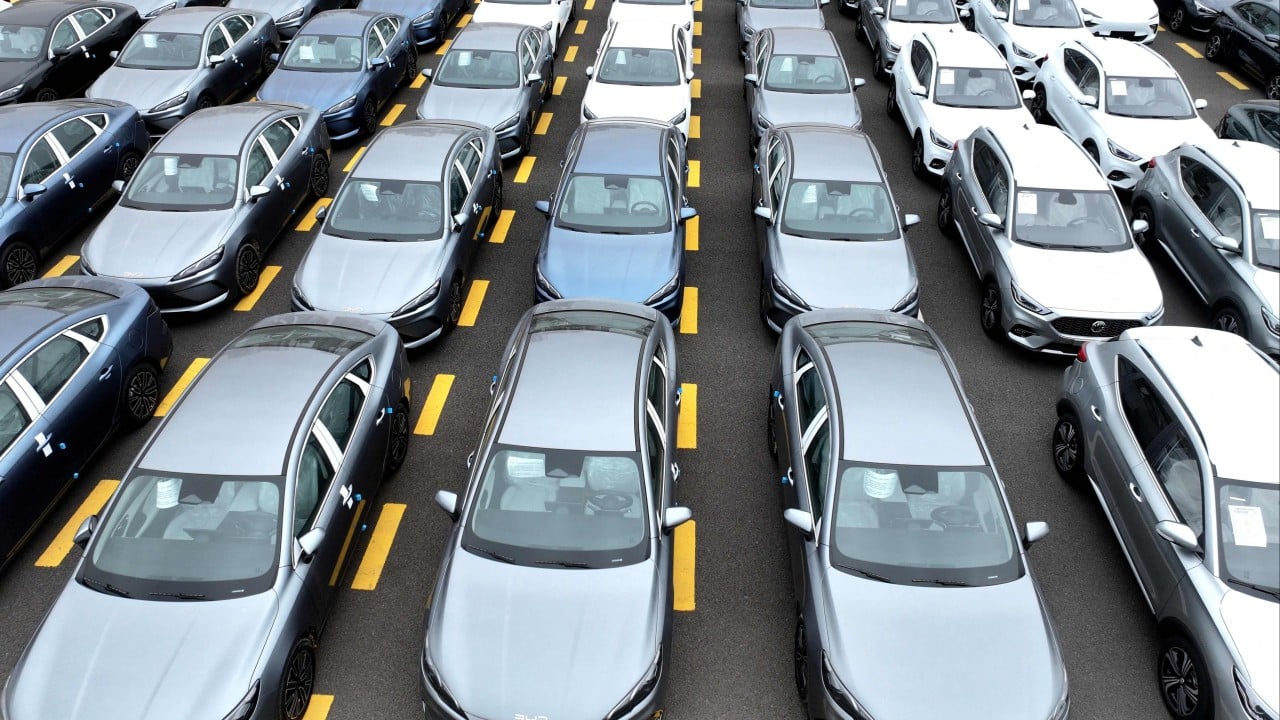
Everybody keeps talking about Chinese car companies fighting for space in Europe and North America. They are missing the bigger picture. While Western markets put up walls and tariffs, a much bigger transformation is quietly happening across the African continent. Chinese electric vehicle makers aren't just selling cars there. They are building an entire industrial ecosystem from scratch.
If you think this is just about exporting cheap sedans to developing nations, you haven't been paying attention. It is a complete structural shift in how developing economies build infrastructure, source energy, and handle transport. Also making waves lately: Why Rolls Royce Wants Government Cash To Build A New Jet Engine.
The Real Driver Behind the African EV Pivot
Western headlines love to frame everything through the lens of trade wars. Sure, trade barriers in the West push manufacturers to look elsewhere. But Africa offers something Western markets cannot match: a blank slate.
Think about traditional urban transport in cities like Nairobi, Kampala, or Harare. Two- and three-wheelers dominate the streets. Millions of petrol-powered motorcycles ferry passengers through dense traffic every single day. They create massive pollution and bleed family budgets dry through volatile fuel costs. More information into this topic are detailed by CNBC.
Chinese manufacturers saw this opening years ago. Brands didn't start by shipping luxury electric SUVs that cost a year's salary. They targeted electric motorbikes, delivery trikes, and affordable compact city cars.
Why Affordability Wins Every Time
Let’s be honest. When a household struggles with basic electricity access, nobody cares about heated leather seats or self-driving computer chips. They care about running costs.
Gasoline prices across many African nations eat up an absurd percentage of working-class income. Electric mobility changes the math completely when paired with solar microgrids. Local entrepreneurs and Chinese joint ventures realized that charging a battery via local solar installations bypasses broken power grids entirely.
- Electric two-wheelers cut daily commuting expenses by more than half.
- Local assembly plants reduce import taxes and create actual jobs.
- Battery swapping stations bypass the wait time of traditional charging.
When you drop the cost of operation down to pennies, adoption happens organically. You don't need massive government subsidies when the product pays for itself in six months.
The Trap of Raw Materials and Local Manufacturing
For decades, foreign powers treated Africa as a giant quarry. Dig up the lithium, cobalt, and copper, ship it overseas, and sell the finished goods back at a massive markup.
China played this game for a long time too. But the current wave of electric vehicle expansion looks entirely different because African governments are demanding more. Leaders in countries like Zimbabwe, Kenya, and Rwanda are refusing to sign deals unless local value addition is part of the package.
Assembly plants are popping up locally. Technicians are training on high-voltage systems. Instead of importing fully built vehicles that strain port capacities, companies bring in knockdown kits to assemble on-site. This lowers shipping costs and builds a technical workforce that didn't exist five years ago.
Of course, challenges remain. Power grids in many regions are fragile. Financing for individual vehicle purchases is hard to secure when traditional banks view electric tech as risky. But private leasing companies and digital fintech apps are filling those gaps faster than old-school financial institutions can adapt.
What Happens Next
The transition isn't waiting for permission from global superpowers. It's happening street by street, powered by pragmatism rather than political rhetoric. If you want to understand where the global automotive market is heading, stop looking at Detroit or Brussels. Watch what happens when billions of people leapfrog the internal combustion engine entirely.
Chinese Tech Driving EV Boom Africa Can't Afford to Miss
This video provides an insightful look at how affordable Chinese electric vehicle technology is directly addressing the practical e-mobility and transport needs of everyday people across various African markets.
http://googleusercontent.com/youtube_content/1