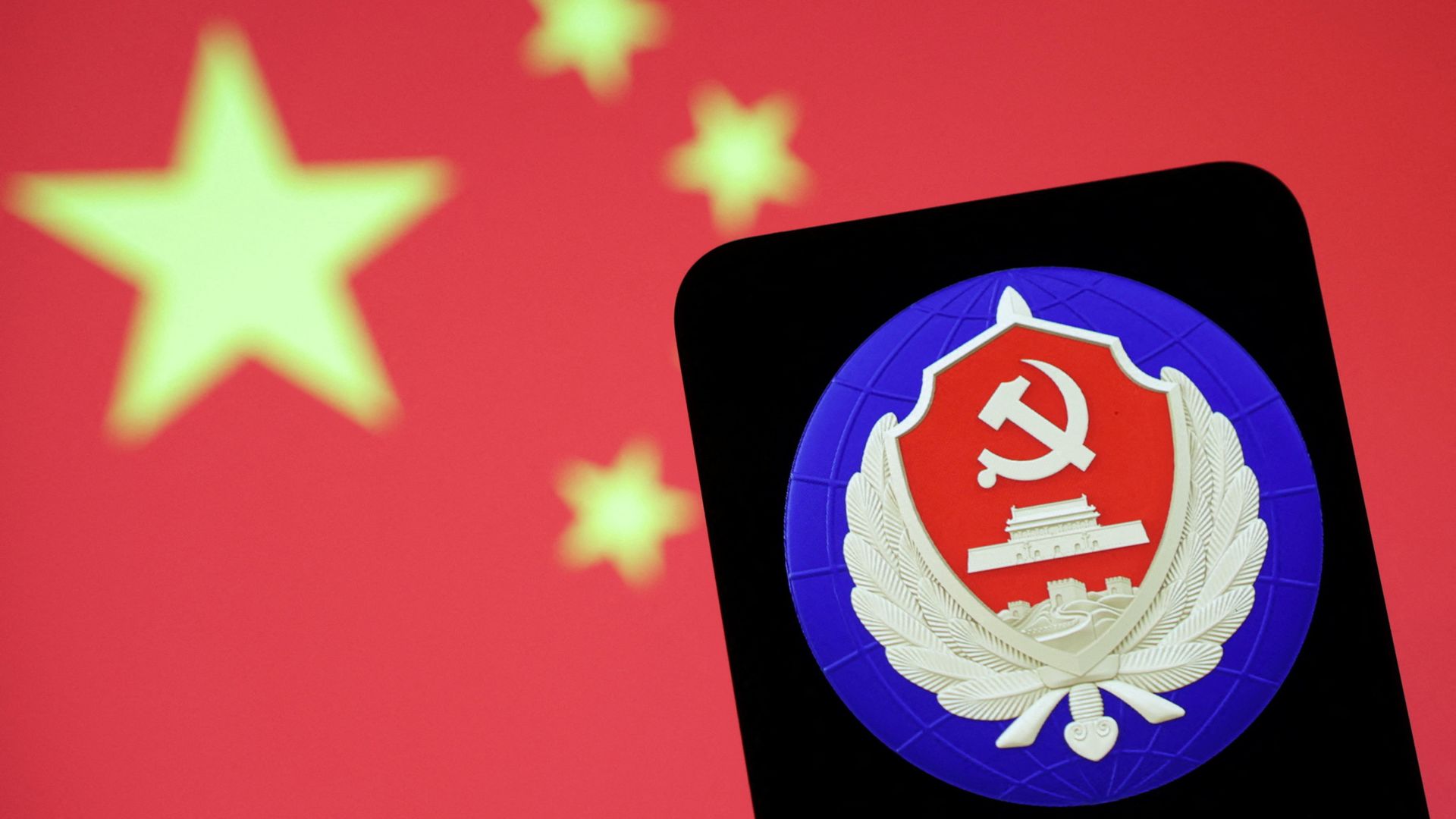
Beijing doesn't publish spy verdicts by accident. Most national security trials in China happen behind closed doors, with barely a whisper outside official circles. When a state-linked account suddenly lays out the playbook of a death-sentence espionage case on social media, you're looking at a message aimed straight at every civil servant in the building.
A Chinese official identified only by the surname Ma has been sentenced to death for spying for a foreign country and leaking state secrets, according to a report published on Monday, November 23, 2026, by Baomiguan, a WeChat account run by Gold Wall Press (also linked to Jincheng Press) under China's National Administration of State Secrets Protection. Courts found Ma received more than 1 million yuan (around US$150,000) and passed along 35 classified items—including top-secret material—out of more than 100 intelligence reports sent abroad.
Honestly, if you only read short wire briefs, you miss how much this case reads like a cautionary manual for China's bureaucracy. It isn't just about one man's betrayal. It's about how Beijing wants officials to think about foreign friendships, overseas postings, and everyday workplace habits.
What Actually Happened in the Ma Case
Strip away the dramatic headlines and look at the sequence described in the state-linked report. Ma was serving abroad when he crossed paths with a foreign intelligence operative identified as "Kailin". At first, the hook sounded harmless enough—Kailin met with Ma regularly under the cover of wanting to learn Chinese.
Anyone who has worked overseas knows how easy it is to let your guard down when someone shows a polite interest in your language or culture. That's usually how recruitment starts in real intelligence work. Not with a trench coat in a rainstorm. With coffee, small talk, and patience.
According to the account, Kailin gradually steered conversations toward politically sensitive topics and managed to get an internal phone directory. Then a second officer, identified as Tang Zheng, pressed Ma to join the agency and threatened to expose past misconduct. Ma signed a cooperation agreement with clauses on confidentiality and loyalty, took fixed monthly payments—eventually totaling over 1 million yuan—and was given a dedicated laptop.
Once Ma returned to China, the routine became stark. By day, he extracted material from classified documents he encountered at work. By night, at home, he organized the information and transmitted it through an espionage website. Courts established 35 items as classified state secrets, alongside bonuses tied to the quality of what he sent.
Notice what wasn't disclosed. The report didn't name the specific ministry Ma worked for, the foreign countries involved, the exact court, the sentencing date, or whether the sentence had already been carried out. Alongside the death penalty, the court ordered Ma stripped of political rights for life and had his property confiscated.
Why Beijing Publicizes Rare Spy Verdicts Now
Here's the mistake people make when reading news out of China: assuming a sudden burst of publicity means spy cases just started happening. Counterintelligence has always been a core obsession of the party-state. What's shifted is how openly agencies like the Ministry of State Security and the National Administration of State Secrets Protection broadcast warnings to the public.
You see this across multiple fronts—WeChat explainers, state-linked publishers, even comics and films—all hammering the same point. Foreign agencies are hunting for insiders, and loyalty can't be treated as a box-ticking exercise.
Recent years have also brought tighter legal guardrails. China expanded its counter-espionage law in 2023 and revised its state secrets law in 2024, broadening definitions and tightening compliance expectations around sensitive information. When laws expand, enforcement narratives usually follow right behind them so officials know the stakes haven't softened.
And look at the timing of similar disclosures. Reporting has noted prior public death sentences or state-secrets crackdowns involving insiders—such as a former research institute employee surnamed Liu reported in March 2025, and a government employee surnamed Lü highlighted by the state secrets body in May 2026. Putting these cases in front of a mass audience serves a clear purpose. Deterrence works best when people imagine themselves in the dock.
What This Means for Officials, Analysts, and Anyone Watching China
If you follow geopolitics or corporate risk, it helps to read these disclosures with two eyes open. One eye on the tradecraft lessons. The other on information limits.
The tradecraft takeaways aren't rocket science
Look at the pressure points in Ma's story:
- Social grooming abroad: Friendly, recurring contact that slowly shifts from casual language or cultural exchange to sensitive topics and internal directories.
- Leverage and coercion: Past misconduct creates vulnerability. Once an intelligence service has leverage—or a signed pledge—the pressure ramps up fast.
- Day-to-night compartmentalization: Pulling sensitive material during office hours and moving it off-site at night is classic insider-threat behavior.
In real-world security compliance, people often over-index on high-tech hacking and ignore human friction. A dedicated laptop, a modest monthly stipend, and fear of exposure did more damage here than some sci-fi gadget.
What we still can't verify independently
Let's be straight about trustworthiness. State-linked social media accounts in China are part of an official information ecosystem. Because key facts—like the court record, the exact agency, and the foreign intelligence service—aren't independently verifiable from outside, analysts have to treat the narrative as an official account rather than a complete judicial record.
That doesn't mean the case is fake. Espionage prosecutions happen, and severe penalties exist under Chinese law. It just means you shouldn't treat an anonymized WeChat post as the whole story without noting where the gaps sit.
Practical Steps If You Track or Work Around Sensitive Data
Whether you're a policy analyst reading international wire reports or someone handling sensitive commercial or institutional data in a cross-border role, a few habits keep you grounded:
- Separate headlines from verified facts: Track who published the claim, what details are specific (like sums paid or counts of classified items), and what details are deliberately left blank.
- Watch for "slow-roll" boundary testing: In real life, improper requests rarely start with top-secret files. They start with small favors, inside contacts, or slightly sensitive questions.
- Eliminate shadow workflows: Never move work materials onto personal or unapproved devices to finish things at home—that single shortcut creates massive security and compliance exposure.
- Close personal vulnerabilities early: Secrecy around past mistakes is one of the oldest levers used to pressure people into bad choices.
For more background on how Beijing frames espionage and state-secrets warnings, coverage from The Guardian and Channel NewsAsia outlines the key details released by state-affiliated outlets.
China Executed Spy For Leaking Secrets offers additional context on how Beijing handles and publicizes severe espionage penalties in state-secrets cases.