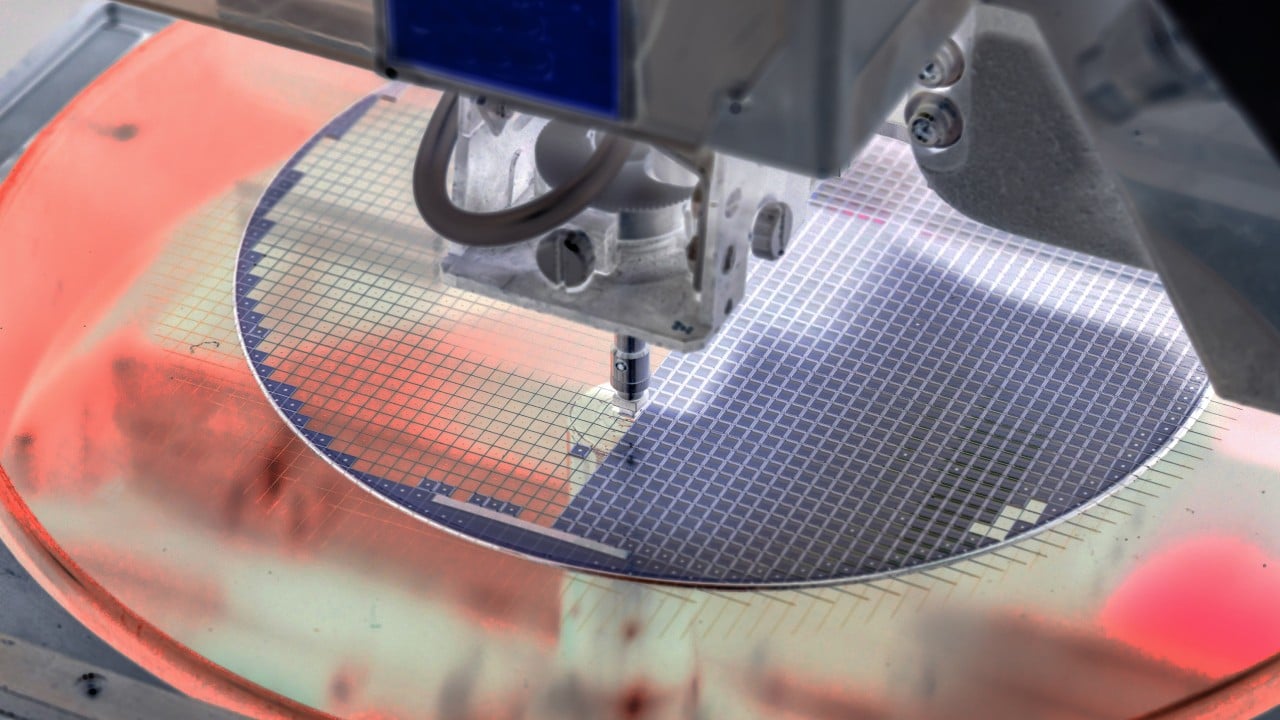
Memory chips used to be simple commodities. You bought raw NAND flash or DRAM based almost entirely on price per gigabyte, plugged them into a circuit board, and forgot about them. Those days are gone. Chinese storage manufacturers are spending billions to completely overhaul how they build memory, moving away from low-margin assembly toward sophisticated chip architecture.
Take Biwin Storage Technology dropping US$672 million into advanced packaging upgrades. That is not a casual corporate expense. It is a calculated survival move. Domestic firms are done playing in the basement of the semiconductor supply chain. They want out of the low-margin trap, and they are using packaging technology as their ladder.
The Shift from Assembly to Architecture
For years, local storage packaging meant putting silicon dice inside black plastic bricks and shipping them out. It was dirty, low-margin work. Anyone could do it, which meant price wars were constant and brutal.
Now, packaging is where the performance magic happens. When you deal with high-density data centers and artificial intelligence servers, stacking memory vertically or bonding it directly to logic controllers changes everything. Sinolink Securities notes that packaging has shifted from a basic manufacturing step into a core factor that determines product speed, thermal management, and long-term reliability.
If you cannot stack or interconnect dies efficiently, your storage components will bottleneck modern AI workloads. Chinese firms realize that mastering advanced packaging lets them squeeze incredible performance out of older or restricted fabrication nodes.
Bypassing Constraints Through Engineering
You cannot talk about Chinese semiconductor strategies without addressing the elephant in the room: foreign trade restrictions. With top-tier extreme ultraviolet lithography machines locked behind export controls, local chip designers have to get creative.
When you cannot shrink transistors down physically on the silicon wafer every single year, you build outward and upward instead. Advanced packaging allows engineers to combine multiple smaller chiplets into a single high-performance storage module. It is a clever workaround. Instead of waiting for next-generation lithography tools, companies are using 2.5D and 3D stacking methods to bridge performance gaps.
This is where heavy capital deployment comes in. Building out cleanrooms capable of wafer-level packaging and hybrid bonding costs a fortune. Companies like Biwin and memory giants such as CXMT are injecting massive funds into these facilities because they know the market rewards performance and integration over raw chip size alone.
What This Means for the Global Market
Do not brush this off as a local domestic initiative. When Chinese storage providers upgrade their packaging capabilities, the shockwaves hit global supply chains.
For one, domestic brands will rely less on foreign outsourced semiconductor assembly and test services. They will keep higher-value processes in-house, improving their profit margins and shielding themselves from external supply chain shocks.
At the same time, localized enterprise customers—especially cloud providers and artificial intelligence server builders—get access to high-density storage solutions built entirely within domestic channels. That reduces vulnerability and accelerates deployment cycles for local tech ecosystems.
Expect more capital announcements over the coming quarters. Storage is no longer just about holding data; it is about how fast you can feed that data to hungry processors. Chinese manufacturers are betting their futures on that reality, and the money flowing into advanced packaging proves they mean business.


