Record trade surpluses don't make you popular with your neighbors. When your economy is pumping out exports while domestic consumption stays sluggish, the rest of the world notices very quickly.
That is the awkward reality facing Beijing right now. With China's annual trade surplus barreling toward another trillion-dollar milestone—pushed along by a 36.3 per cent surge in September exports—global pressure is reaching a boiling point. Trade partners from Washington to Brussels are rolling out new defensive measures, warning about a repeat of past industrial shocks that gutted manufacturing jobs elsewhere. Recently making news recently: Why September Inflation Numbers Change Everything For The Fed.
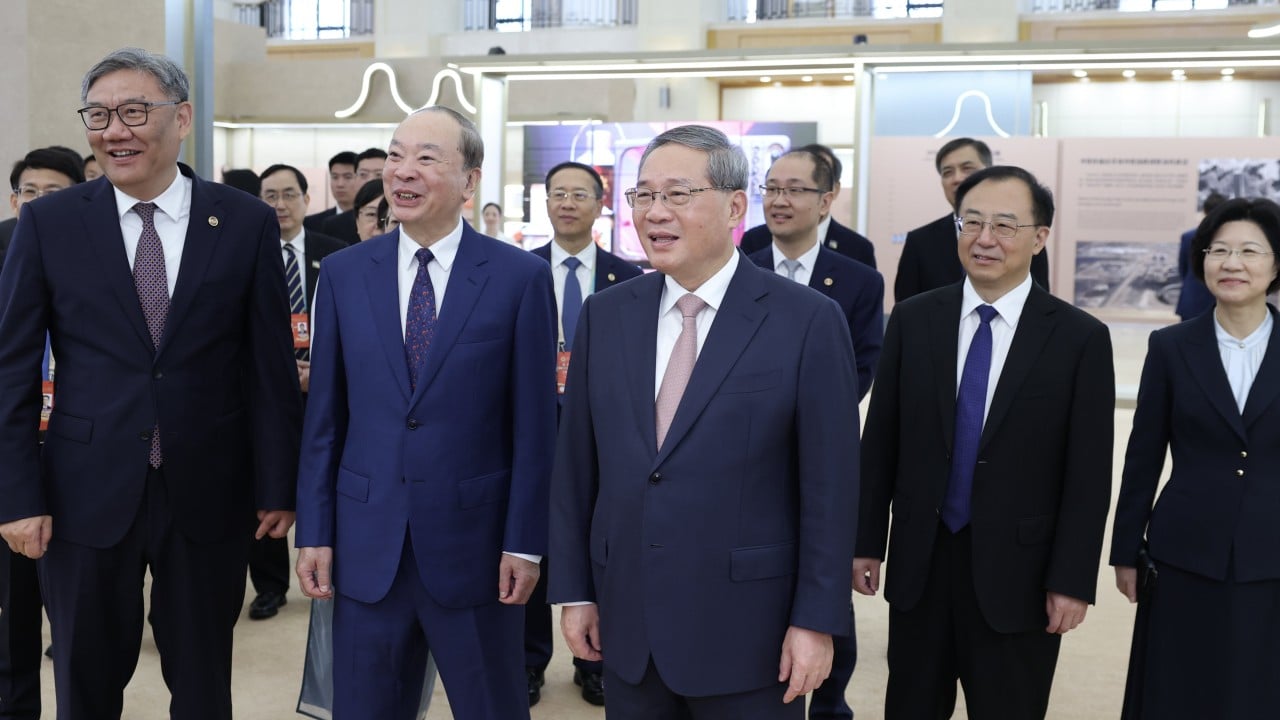
Enter Premier Li Qiang. Speaking at major trade platforms like the Canton Fair, Li is pushing a very specific counter-narrative: China doesn't want a one-way street. He's actively vowing to pull in more high-value imports, framing the world's second-largest economy as an open destination for advanced foreign goods rather than just an export machine.
The Pressure Behind the Pivot
Why the sudden charm offensive? Simple math and mounting political friction. Additional details regarding the matter are covered by The Economist.
Trade surpluses north of a trillion dollars aren't just bragging rights anymore. They are flashing red sirens for protectionist lawmakers abroad. The European Union is tightening its grip on hybrid vehicle shipments and medical devices, while US officials warn that aggressive trade imbalances destabilize global labor markets.
Li's pledge to buy more high-value items—ranging from advanced semiconductors and precision machinery to specialized medical tech and aerospace components—is an attempt to appease these critics. Beijing wants to prove that its industrial rise can benefit foreign suppliers rather than crush them.
Can High Value Imports Fix Domestic Strains?
Buying more expensive foreign tech sounds great in a speech, but it hits a wall of domestic realities.
China's property crisis is still dragging down consumer confidence. People aren't spending the way economists want them to. If domestic demand stays lukewarm, importing higher volumes of pricey foreign goods requires heavy state backing or targeted corporate buying sprees.
Furthermore, pivoting toward high-value imports means Beijing has to walk a tightrope. It needs foreign tech to upgrade its own manufacturing base, yet it simultaneously pours billions into domestic substitutes like homegrown semiconductors and electric vehicles. When local companies can build competitive alternatives, foreign suppliers often find themselves squeezed out anyway.
What This Means for Global Markets
If you're an international exporter banking on Li's promise, don't pop the champagne just yet.
Promises of openness are real, but they come bundled with intense regulatory scrutiny. Foreign firms selling high-end industrial gear or green technology will face stiffer competition from local champions who are scaling up faster than ever.
To actually benefit from this shift, businesses need to target sectors where China's domestic supply chain still has glaring gaps. Relying on broad trade pledges is a rookie mistake. Look closely at where Beijing's industrial policy desperately needs outside inputs—like ultra-pure chemicals, advanced automation tools, and specialized aviation parts—and position your sales strategy there.
The trade surplus won't vanish overnight. But how Beijing manages its import mix will define whether global trade turns into an all-out tariff war or settles into an uneasy coexistence.