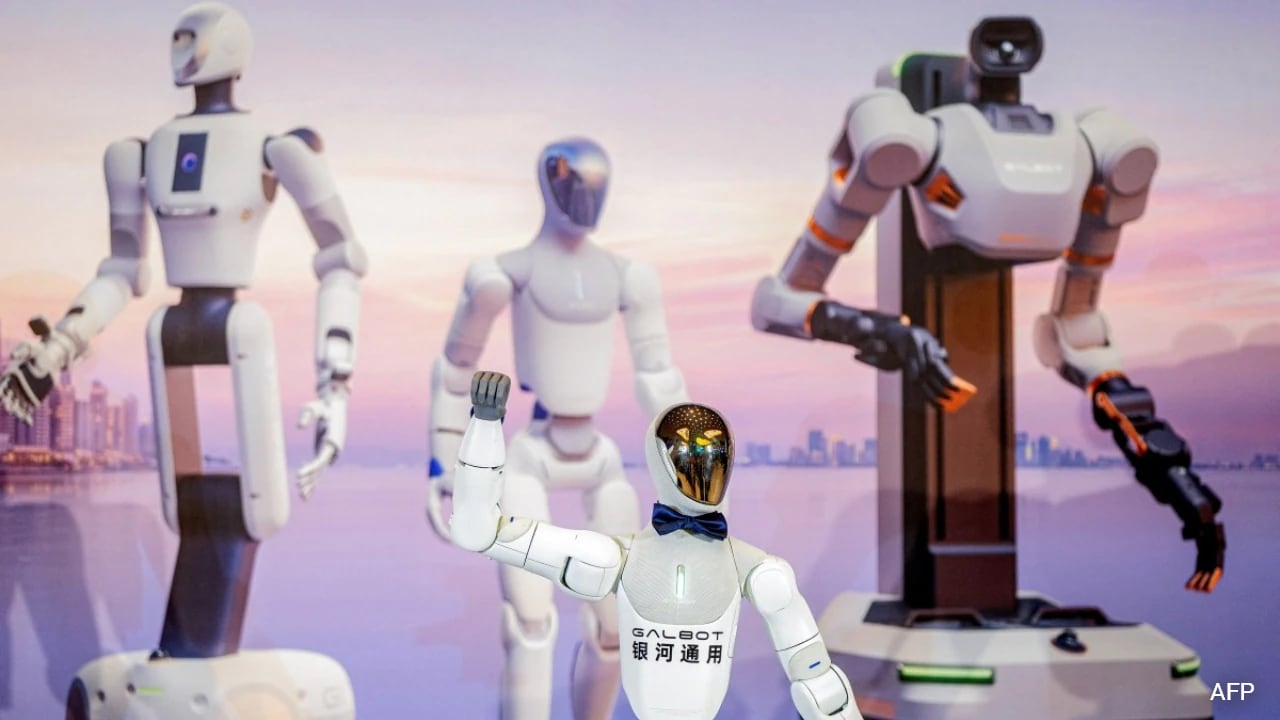
The stock market loves a good tech fairy tale. For the past year, Chinese robotics startups have promised investors an army of walking, talking metal workers that would soon replace factory hands and sweep floors. Wall Street and domestic funds threw money at anything with two legs and a battery pack.
Then reality hit.
Beijing has quietly stepped in to cool down a scorching initial public offering rush in the humanoid robotics sector. Regulators are hitting pause, using informal guidance to freeze market listings. Why? Because the money flying around bore zero resemblance to actual commercial demand.
If you look past the glossy tech demos of robots doing backflips, a different picture emerges. Valuations inflated faster than a hot air balloon, fueled by state-backed projects rather than paying customers.
The Unitree Reality Check
Markets don't usually care about fundamentals until a stock crashes. Unitree Robotics proved that point painfully.
When Unitree went public in Shanghai, its shares skyrocketed more than fivefold within weeks. Investors treated the debut like a golden ticket to the future of artificial intelligence. But the euphoria burned out fast. The stock plummeted fifty-five percent from its peak, exposing a massive gap between public expectations and financial facts.
That volatility spooked regulators. The China Securities Regulatory Commission started whispering to investment banks and private firms to raise the bar. Humanoid listings are effectively frozen.
Venture capitalists note that the funding frenzy turned into a classic speculative bubble. Founders barely needed to show a business plan. They met dozens of eager backers in days and turned down basic due diligence. Private market valuations for early-stage builders saw drops of thirty to fifty percent almost overnight.
Tracing the Fake Revenue Problem
Where was the money actually coming from? That is the question keeping regulators awake at night.
A significant chunk of revenue reported by these high-flying robotics companies came from local-government-backed projects. Think of robot data-collection centers and joint ventures where municipal funds footed up to ninety percent of the initial bill.
These arrangements kept private valuations artificially high and checked the boxes required for exchange listings. But they aren't proof of real-world demand. Critics point out that if you strip away state-funded data centers and related-party transactions, valuations for some prominent robotics firms would drop by up to seventy percent.
When your primary customer is a government entity building a showcase hub, you aren't selling products in a free market. You're living on a subsidy.
What Comes Next for the Robotics Market
This regulatory slowdown doesn't mean Beijing is abandoning embodied intelligence. The Chinese government still views advanced robotics as a critical national priority.
Instead, the shift marks an end to blind hype and a move toward selective rationality. Analysts point out that investors are finally asking the right questions. Is the robot actually working on an assembly line, or is it just dancing around a showroom floor? Where is the real order volume?
Startups that survived on marketing hype and government-subsidized joint ventures are now sweating. They have to prove they can sell units to independent buyers who actually need operational efficiency, not just a cool tech demo.
If you're watching the tech sector, stop buying into the utopian stories. Look for companies with real deployment metrics, transparent supply chains, and actual commercial buyers. The era of easy money for walking robots is over. The hard work of building a sustainable business starts now.