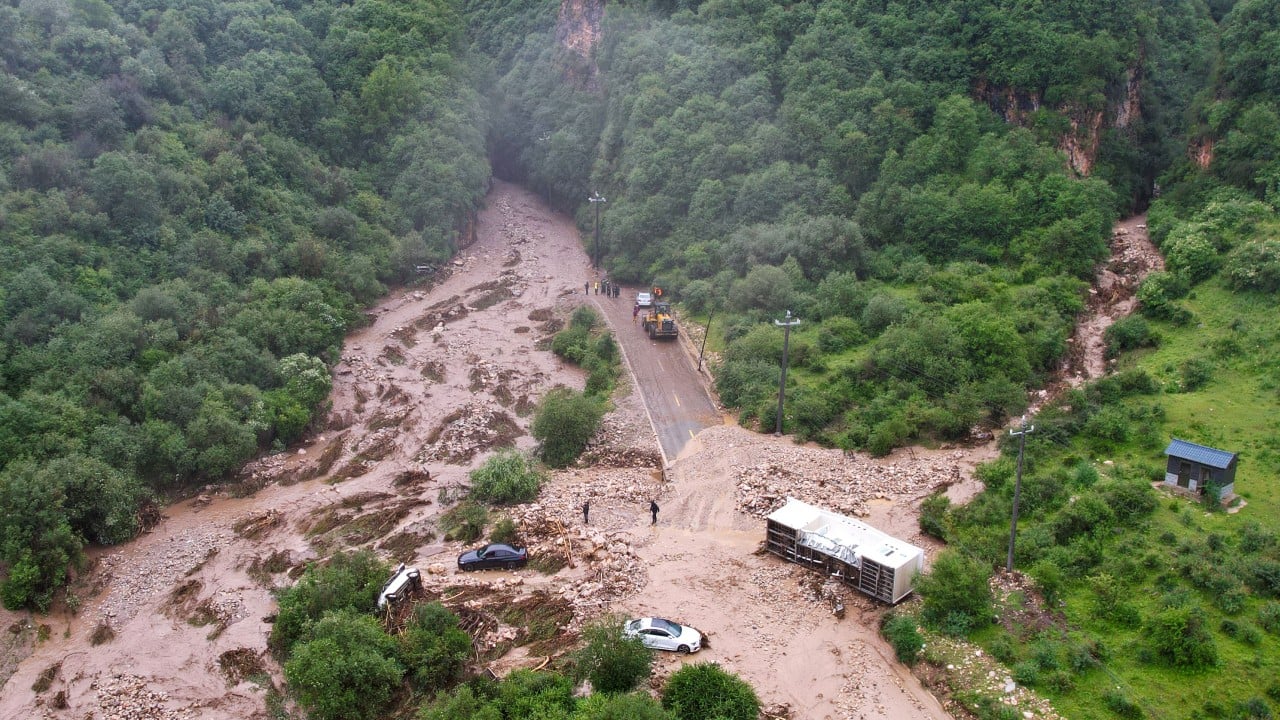
Water keeps rising. When torrential storms lash the rugged terrain of northwestern China, survival often comes down to minutes.
Recent flash floods in Gansu Province pushed the death toll to 25 people, with dozens of others injured after heavy downpours slammed regions like Weiyuan County in Dingxi City. What started as a localized downpour quickly escalated into a widespread disaster, forcing the national commission for disaster prevention, reduction, and relief to demand immediate investigations and assessments from local authorities.
If you think this is just an isolated local weather event, look closer at the broader map. Large parts of China remain pinned under emergency alerts.
The Anatomy of the Gansu Disaster
Gansu isn't unfamiliar with rough weather, but the intensity of the recent monsoon season catches communities off guard year after year. When heavy rain hits arid or semi-arid mountainous terrain, the soil cannot absorb the moisture fast enough. The result is a destructive wall of water and debris racing down valleys and through rural settlements.
Initial reports from late July put the death toll at 10, but as rescue crews pushed deeper into cut-off areas, that number climbed to 25. Twenty-three people sustained injuries, and search parties continue scouring debris fields. Local bureaus have issued continuous warnings for secondary landslides across Dingxi and surrounding districts. The ground remains saturated. Every new cloudburst triggers fresh panic.
A Nationwide Emergency
Gansu is far from alone in this crisis. Across Sichuan province, the scale of human displacement is staggering. State broadcasters report that tens of thousands of people required immediate evacuation from high-risk zones, while hundreds of thousands of residents have been relocated since the annual flood season kicked off.
Meanwhile, weather observatories have plastered Beijing, Inner Mongolia, and neighboring regions with high-wind and heavy-rain warnings. Storm fronts stretch from the southwest all the way to the northeast. China's vast geography means emergency management teams are stretched paper-thin, jumping from one provincial crisis to the next as riverbanks swell and mountain slopes give way.
Why Infrastructure Struggles to Keep Pace
Engineering marvels protect major Chinese cities along the Yangtze and Pearl rivers, but rural counties and mountainous terrain present an entirely different challenge.
- Early warning systems in remote areas often rely on cellular networks that fail when power lines snap.
- Rapid tourist influxes into scenic valleys mean thousands of visitors unfamiliar with local topography get trapped when flash floods materialize.
- Deforestation and historical land-use patterns amplify soil erosion, turning standard rainstorms into mudslides.
Governments spend billions on flood mitigation, yet climate volatility makes historical baseline data obsolete. Standard drainage calculations built on decades-old metrics fail when modern storm cells drop months of rain in a single afternoon.
What Happens Next on the Ground
Emergency response teams face a race against the clock. Heavy rain is forecasted to persist, complicating structural assessments and making aerial rescue drops hazardous. Provincial authorities are under immense pressure from Beijing to enforce stricter evacuation protocols, especially in tourist-heavy mountain zones where visitors frequently underestimate flash flood risks.
If you are tracking regional supply chains or planning travel through northwest or southwest China this season, expect sudden highway closures, localized communication blackouts, and stringent travel restrictions. The peak of the flood season is far from over, and millions remain in the path of the next storm.
China Flash Flood Kills Ten Tourists After Torrential Rains Hit Gansu
This video provides on-the-ground footage and news reporting regarding the sudden flash floods that struck tourist and rural areas in Gansu province.
http://googleusercontent.com/youtube_content/1