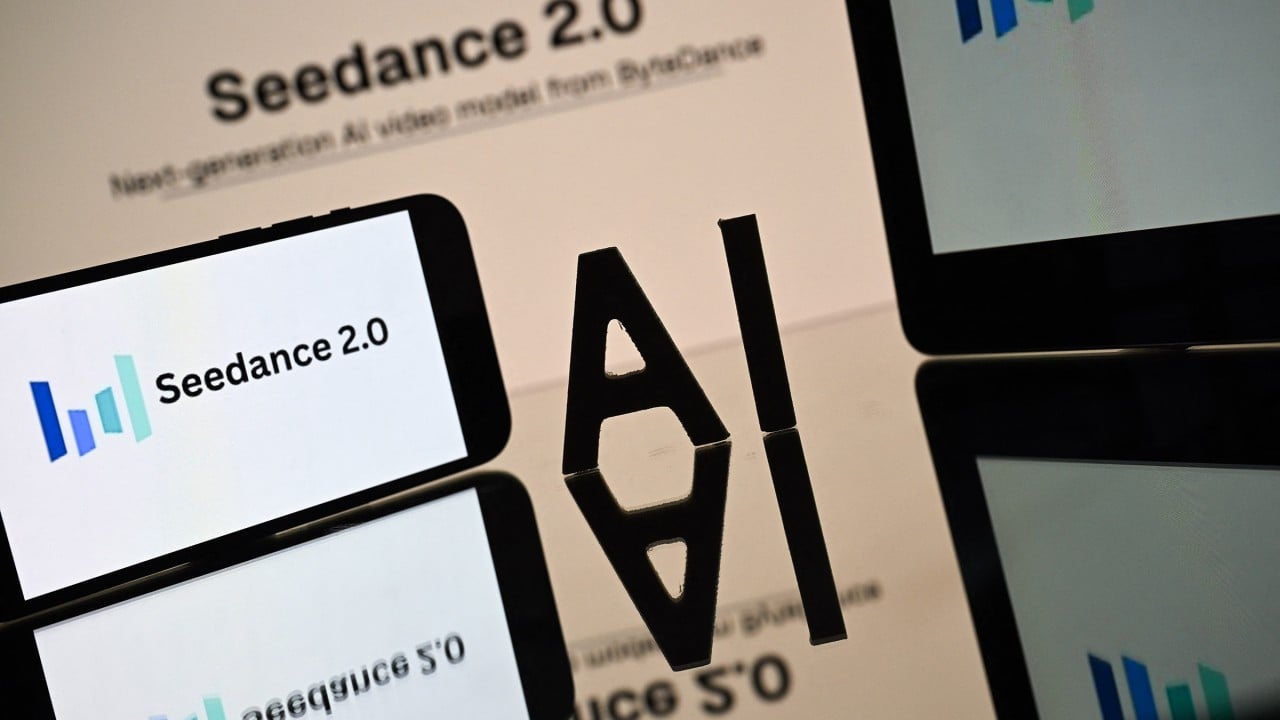
Silicon Valley spent billions on text-to-video models only to watch Chinese labs quietly steal the crown. If you look at current performance benchmarks on platforms like Artificial Analysis, models developed by companies like Alibaba, MiniMax, and ByteDance occupy eight of the top ten spots for video generation.
How did this happen so fast?
Most tech watchers miss the obvious point. American tech giants build models in vacuum-sealed research labs, but Chinese artificial intelligence developers plug straight into a massive, hyper-active short-video ecosystem. Platforms like Douyin generate endless streams of user behavior, visual styles, and editing patterns. This gives domestic algorithms an unfair advantage in understanding what makes digital video work.
The Real Drivers Behind the Surge
Let's talk about money. Running state-of-the-art text-to-video models eats through compute budgets at an alarming rate. Yet, Chinese tech firms have managed to slash operational costs significantly. By implementing aggressive pricing models and optimizing training efficiency, they offer powerful generation tools at a fraction of Western prices.
Beyond hardware and infrastructure, the regulatory environment plays a massive role. Content ecosystems in Asia operate with flexible data usage norms that let developers train models on vast multimedia repositories without facing the same litigation hurdles choking Western labs.
Alibaba’s Wan 3.0 currently tops text-to-video rankings, frequently beating out high-profile U.S. competitors like Google's Gemini-backed video tools. MiniMax and ByteDance follow closely, proving that this isn't a fluke. It's a structural shift in how video intelligence scales.
What This Means for Global Content Creators
If you create content for a living, you shouldn't ignore what's happening. The democratization of ultra-cheap, high-fidelity video tools means production bottlenecks are disappearing. Independent creators can now spin up cinematic clips, product demonstrations, and short-form minidramas using models that cost pennies to run.
Western software companies are scrambling to catch up. Meta and other Silicon Valley players are rushing open-source releases to defend their turf against low-cost Asian alternatives. But price wars and rapid iteration cycles mean the momentum has already shifted.
Stop waiting for expensive legacy software to add basic video features. The tools powering the next generation of digital media are already online, cheaper, and frankly, better than what most Western corporations want to admit.
China's Cost-Efficient AI Models Rattle Silicon Valley's Pricing
This video provides an inside look at how Chinese AI labs are undercutting Western pricing models and shifting the global balance of power in artificial intelligence.
http://googleusercontent.com/youtube_content/1