China just dropped another massive trade update, and global markets are scrambling to process the fallout. When customs data showed exports jumping 36.3% year-on-year in September, it pushed the year-to-date trade surplus to a staggering $938 billion. If you think this is just another routine economic report, you're missing the bigger picture.
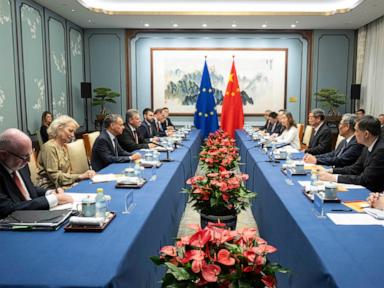
Trade partners from Washington to Brussels are losing patience. They're telling Beijing to fix its domestic imbalances, but the factories keep pumping out high-tech goods at a breakneck pace. Semiconductors, EVs, and advanced industrial machinery are flying out of ports faster than anyone predicted.
The Numbers Behind the Surge
Let's look at the actual trajectory. September's 36.3% export spike wasn't a random blip. It accelerated sharply from August's already high 25% growth. Imports climbed too, rising 31% in September, but export volumes outpaced incoming goods by such a wide margin that last month alone added a $133.5 billion surplus to the ledger.
For the first nine months of the year, stacking up to a $938 billion surplus means China is hurtling toward another record-breaking annual trade imbalance.
Why are foreign shipments accelerating so fast? Two main drivers dictate this trend:
- High-tech manufacturing dominance, particularly semiconductors and automotive tech.
- Aggressive international demand for AI infrastructure hardware and electronics.
When you look at factory floors in Shenzhen or Guangzhou, you don't see a cooling economy. You see assembly lines running overtime to feed global markets that still heavily rely on Chinese electronics and components.
Why Trading Partners Are Furious
Washington and European Union capitals aren't hiding their frustration anymore. Western officials argue that flooding global markets with cheap, high-tech exports destroys local manufacturing bases. They want Beijing to shift its economic engine away from manufacturing subsidies and toward domestic consumption.
Domestic consumption in China has stayed sluggish compared to industrial output. Households aren't spending enough to absorb the massive supply, so factories export the excess. It's a structural loop that international trade negotiators have tried to break for years with little success.
Tariffs and trade barriers keep piling up, yet shipment volumes continue to defy gravity. Importers are often willing to absorb added levies because Chinese components remain cheaper and more reliable than alternatives built elsewhere.
What This Means for Global Markets
If you're running a business or managing an investment portfolio, you can't ignore these shifts. Surging export volumes create a deflationary pressure abroad while shielding domestic Chinese producers from local demand weakness.
Expect more protectionist measures before the year ends. Trade restrictions, anti-dumping investigations, and tighter export controls on critical technologies will ramp up. Governments under political pressure will look for ways to stem the inflow of foreign goods, regardless of consumer costs.
Watch the supply chains you rely on closely. Diversifying suppliers isn't just a corporate buzzword anymore; it's basic survival when macro trade dynamics shift this violently. Build flexibility into your procurement strategy now, because trade friction is only going to escalate from here.