International agricultural markets move fast, and if you aren't paying attention to port bookings, you'll miss the pivot. Chinese state-owned buyers are quietly returning to the American market, locking in significant cargo space for autumn delivery. Traders across Singapore and Chicago are tracking a noticeable uptick in autumn bookings, proving that agricultural trade between Washington and Beijing is finding a functional rhythm despite lingering political friction.
State-owned giant Cofco Corp has booked multiple vessel cargoes for loading across September, October, and November. This wave isn't just about routine food security. It's a calculated operational move tied directly to high-level diplomatic pacing and trade commitments. Building on this topic, you can find more in: Why Nvidia Stock Near A Breakout Means Everything For Micron Right Now.
What the Booking Data Tells Us
Let's look at the actual numbers. Recent daily export data reported by the U.S. Department of Agriculture points to hundreds of thousands of metric tons split across current and upcoming marketing years. When Cofco steps in to secure multiple shipments overnight, grain elevators in the Pacific Northwest and the U.S. Gulf Coast take notice.
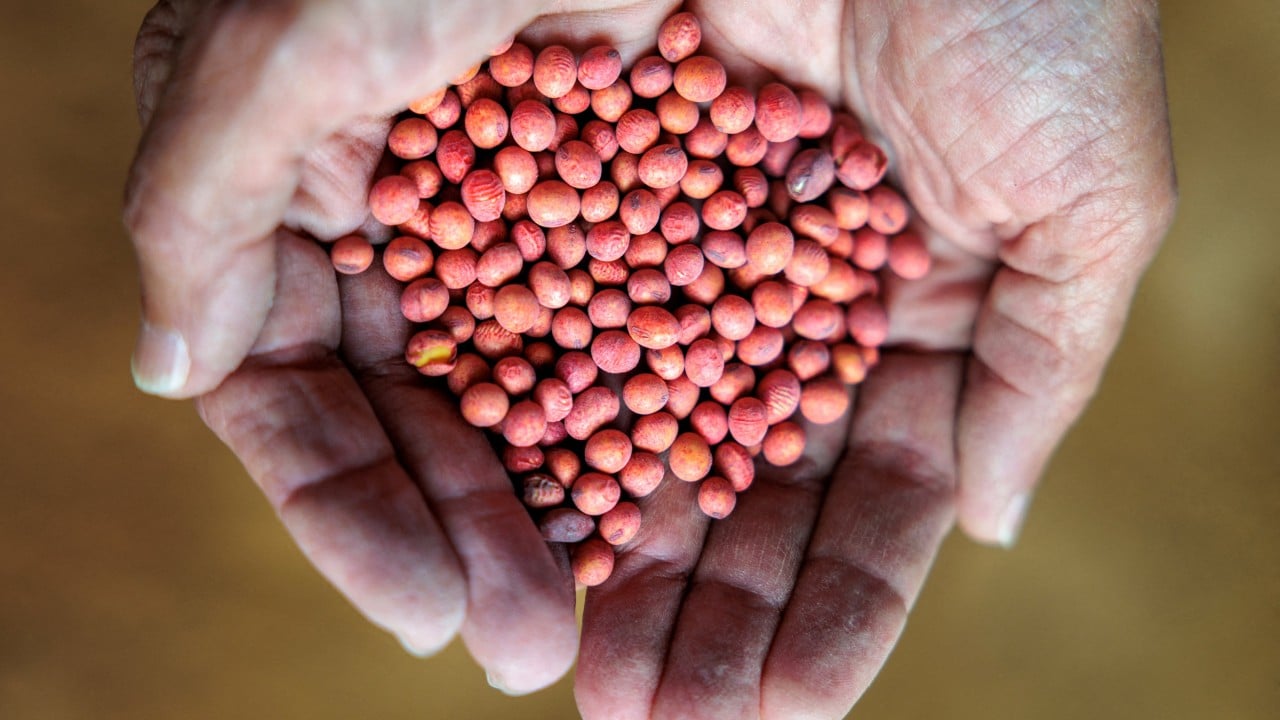
A standard soybean cargo sits right around 60,000 tons. Multiply that across the recent purchase strings, and you're looking at a serious volume of oilseeds moving down river systems and into export terminals. Analysts at CNBC have provided expertise on this situation.
Why does this matter right now? Because global buyers usually chase the cheapest available grain. Right now, South American supplies from Brazil have dominated export ledgers, often undercutting American pricing. When buyers pivot back to U.S. ports despite cost differentials, it signals a deeper structural alignment with political purchasing targets rather than pure spot-market arbitrage.
The Geopolitical Undercurrents
Trade agreements don't execute themselves. Following high-stakes diplomatic summits between Presidents Donald Trump and Xi Jinping, expectations rose that Beijing would ramp up purchases of American farm goods.
The White House has consistently pointed to multi-billion-dollar targets for U.S. agricultural exports and annual tonnage floors for soybeans stretching toward 2028. While Beijing often handles these announcements with diplomatic ambiguity, the actual shipping manifests tell the real story. Grain traders don't care about press releases; they care about vessel drafts and ocean freights. When the bookings roll in, the market shifts.
You have to look at how crush margins work inside China to understand the hesitation. Private crushers operate on tight margins. If Brazilian new-crop beans offer a better return over Chicago Board of Trade futures, private buyers will stick to South America. That leaves state-backed entities like Cofco to shoulder the political heavy lifting of fulfilling bilateral purchase agreements.
Preparing for the Autumn Export Window
If you're farming in the Midwest or managing logistics along the supply chain, this autumn window changes your inventory planning.
- Watch river freight rates closely as barge demand increases toward the Gulf.
- Keep an eye on weekly USDA export inspection reports to see if these October-November bookings turn into a sustained trend or remain isolated waves.
- Factor currency fluctuations and ocean freight costs into your forward-selling models.
The market rewards those who watch the physical flows, not the noise on cable news. China is buying because commitments require execution. Plan your logistics around these autumn shipping dates before export terminal capacity tightens further.