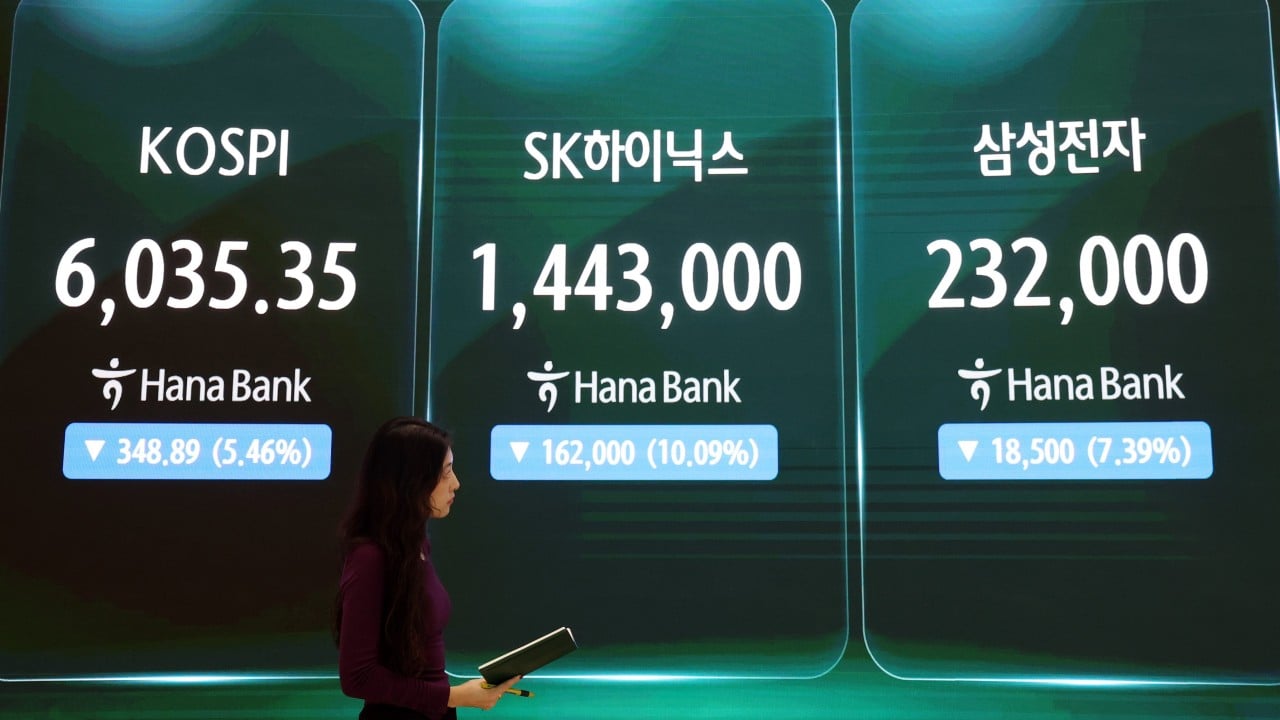
Record-shattering artificial intelligence enthusiasm usually sends semiconductor stocks straight through the roof. Right now, reality isn't cooperating. Shares of memory heavyweights like Samsung Electronics and SK Hynix recently suffered brutal drops, tumbling over seven percent in single sessions and sliding into prolonged slumps.
It makes zero sense on paper. Hyperscalers are buying every advanced graphics processor and high-bandwidth memory module they can get their hands on. Yet investors are dumping shares. In related updates, we also covered: When Artificial Intelligence Starts Fabricating Murder Tips To Police.
The disconnect comes down to a terrifying reality for incumbents. Explosive AI demand doesn't insulate hardware makers from aggressive new rivals, shifting market expectations, and looming technological disruptions.
The Rise of CXMT and the 4F Squared Threat
The biggest catalyst behind the recent panic isn't a slowdown in data center spending. It's news coming out of China. Gizmodo has provided coverage on this important topic in great detail.
ChangXin Memory Technologies, better known as CXMT, is making rapid progress on an advanced DRAM architecture called the 4F² design. Traditional memory cells take up specific silicon footprints. By stacking things differently, the 4F² layout dramatically increases memory density without shrinking manufacturing nodes down to impossible physics limits.
Market chatter suggests CXMT is aiming to roll out server-grade DDR5 memory powered by this architecture. That timeline has Wall Street and Seoul on edge.
For years, Samsung and SK Hynix enjoyed an effective duopoly on high-end memory. If a Chinese competitor successfully scales high-density server memory at a lower cost base, the pricing power that Korean giants rely on evaporates.
Overheated Valuations Meet Casino-Like Speculation
Markets hate uncertainty, but they despise sky-high expectations even more. Semiconductor valuations climbed aggressively on the back of generative AI hype. Every single earnings report became a referendum on future perfection.
Broadcom CEO Hock Tan recently pointed out that financing and ballooning expectations might pose bigger obstacles than actual chip shortages. When retail and institutional money pile into tech stocks expecting infinite growth, any minor speed bump triggers massive liquidations.
Investors are treating parts of the tech sector like a casino. When reality checks arrive—such as foreign investors pulling billions out of South Korea's Kospi index—the correction is swift and painful.
The Macro Squeeze on Supply Chains
Competition isn't the only headache. Equipment costs are surging. Rumors that lithography leader ASML plans to hike parts and service prices by roughly ten percent highlight how expensive it is simply to keep advanced fabrication lines running.
At the same time, regional interest rate pressures are shifting capital flows. Higher borrowing costs mean institutional investors demand higher yields, making speculative tech valuations harder to justify.
What This Means Moving Forward
If you're watching the semiconductor space, stop assuming high AI demand equals guaranteed stock price gains. The moat surrounding traditional memory leaders is facing a dual assault: aggressive domestic manufacturing pushes from rivals like CXMT, and a broader market reassessment of risk.
Watch the execution timelines on advanced server memory rollouts over the coming quarters. If Chinese manufacturers deliver viable high-density alternatives at scale, chip pricing models will shift permanently. The era of easy memory profits is facing its toughest test yet.