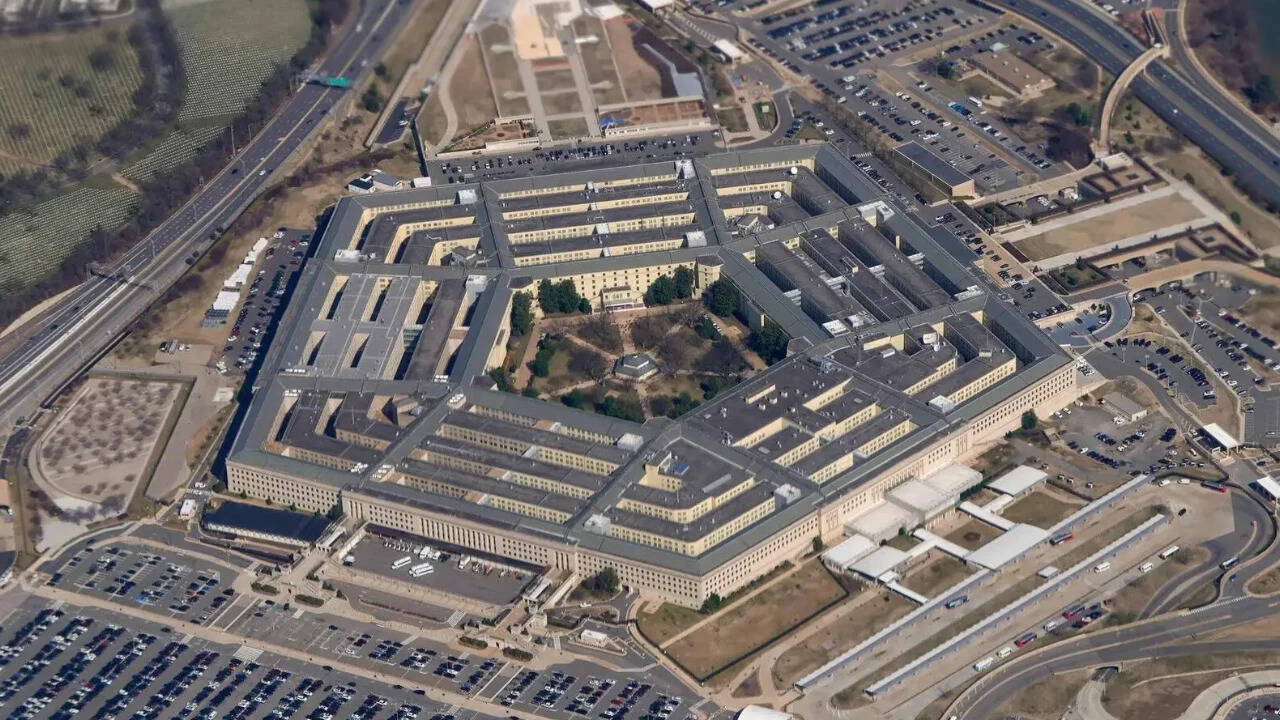
When military combat breaks out, the political battle back home usually starts over the numbers. We've seen this script play out in nearly every American conflict over the past half-century, but the latest dispute over Pentagon casualty reporting during the current war in Iran has hit a fresh breaking point.
A recent report by The New York Times alleged that the Defense Department failed to disclose three separate Iranian strikes on U.S. bases in Jordan that wounded dozens of service members and damaged military helicopters. The official Pentagon response was immediate and furious. Defense Department spokesperson Sean Parnell blasted the claims as "baseless and malicious accusations," arguing that the media was "cherry-picking raw numbers without context" to paint a misleading picture. Don't forget to check out our previous post on this related article.
Beyond the fierce rhetoric, this fight raises serious questions about how our government accounts for American sacrifice during war. Where does legitimate operational security end and political narrative control begin? Understanding the mechanics of casualty tracking, why numbers get delayed, and how military statistics are officially classified helps clear up the noise.
The Core Conflict Between Secrecy and Transparency
The debate doesn't center on whether soldiers died. Everyone agrees on the fatal casualties, which are governed by strict notification protocols requiring next-of-kin alerts before names are released publicly. The real friction lies in non-fatal injuries. If you want more about the history here, Al Jazeera offers an in-depth breakdown.
According to military officials, U.S. Central Command (CENTCOM) isn't legally mandated to issue press releases every time a service member suffers a minor concussion, sprains an ankle, or sustains an injury that doesn't immediately remove them from duty. Defense officials argue that publishing immediate, location-specific injury tallies after a drone or missile strike acts as a real-time feedback loop for enemy forces.
If an Iranian battery fires ten missiles at an air base in Jordan and the Pentagon instantly announces that thirty troops were treated for shrapnel wounds near a specific hangar, the targeters in Tehran know their strike was effective. They can use that exact data to calibrate their next attack. That's why CENTCOM officials insist on keeping operational details quiet.
Critics counter that holding back this information distorts public understanding of the war's true human cost. When the public hears only about fatal incidents, the full physical strain on deployed forces gets obscured. More than 400 U.S. service members have been wounded since combat operations began on February 28. When major strikes occur and dozens of troops sustain injuries without public acknowledgment, trust in official military updates naturally erodes.
How Official Casualty Reporting Works Behind the Scenes
The Pentagon tracks every injury, illness, and casualty through standardized administrative channels, but the public feed looks very different from internal logs. To understand why reports often seem delayed or incomplete, you have to look at how the military categorizes medical data.
The Defense Casualty Analysis System
Official military casualty numbers eventually land on the Defense Casualty Analysis System (DCAS), an online repository managed by the Defense Manpower Data Center. This database tracks active-duty casualties across all military branches, broken down by war zone, service branch, and casualty category.
However, DCAS is designed for record-keeping and retrospective analysis, not real-time news updates. Entries require medical verification, administrative processing, and official casualty reports (known as DCIPS reports) generated by unit commanders. That process takes days or even weeks. When journalists demand immediate figures after a midnight drone strike, the numbers available in public databases rarely reflect what just happened on the ground.
Severity Levels and Medical Categories
Not all military injuries are classified the same way. The U.S. military divides casualties into distinct operational tiers:
- Killed in Action (KIA): Direct combat deaths resulting from hostile action.
- Died of Wounds (DOW): Service members who die after reaching a medical treatment facility.
- Very Seriously Ill/Injured (VSI): Patients whose medical condition is so grave that life is in immediate danger.
- Seriously Ill/Injured (SI): Patients whose condition is cause for acute concern, though not immediately life-threatening.
- Not Seriously Injured (NSI): Minor cuts, sprains, superficial shrapnel, and mild traumatic brain injury (TBI) where the service member returns to duty quickly.
The controversy almost always surrounds the NSI category. Mild traumatic brain injuries from blast waves, for example, often show symptoms hours or days after an attack. An initial report might state zero injuries, only for forty soldiers to seek medical evaluation three days later when headaches and nausea set in. When those delayed numbers surface, it looks like a cover-up to outside observers, even if it reflects standard medical evaluation timelines.
Historical Precedents in American Military Transparency
Tension over injury reporting isn't new. We saw nearly identical friction during the 2020 Iranian missile strike on Al Asad Airbase in Iraq. Initial statements indicated no American casualties. Over the following weeks, as medical teams evaluated personnel exposed to ballistic missile blast waves, the number of troops diagnosed with traumatic brain injuries rose to over 100. The rapid shift created a public relations storm, with critics accusing officials of downplaying casualties to minimize political risk.
Going back further, similar debates took place during the wars in Iraq and Afghanistan. Injury figures for non-combat incidents, non-line-of-duty accidents, and psychological trauma routinely sparked arguments between press corps representatives and defense spokespeople. Military leaders consistently fall back on operational security, while press corps organizations demand immediate accountability.
The current administration's strategy relies on directing reporters directly to macro-level databases like DCAS rather than providing daily granular briefings on every tactical incident. Spokesperson Sean Parnell maintained that the administration remains highly transparent, pointing out that military casualty information remains publicly available and routinely updated online. Yet without context on specific combat engagements, raw numbers on a government website don't tell the full story.
Balancing Combat Security with Public Accountability
Striking a balance between protecting troop safety and keeping citizens informed is a genuine challenge. On one hand, military commanders have an absolute obligation to safeguard tactical information. Disclosing that a particular base defense system failed to intercept a drone, or detailing the exact number of wounded personnel at a specific outpost, gives actionable intelligence to hostile forces.
On the other hand, democratic governance relies on informed public consent, especially when troops are in harm's way. When injury statistics appear minimized, families of deployed service members face unnecessary stress, relying on rumors or delayed news reports.
Here is how key stakeholders view the situation:
- Military Commanders: Priority lies entirely on operational security, force protection, and preventing enemy battle-damage assessment.
- Journalists: Priority lies on immediate public disclosure, independent verification, and holding government statements accountable.
- Military Families: Priority lies on swift, direct notification regarding their loved ones, alongside accurate contextual information about deployment conditions.
- The Public: Priority lies on understanding the true human and financial scope of ongoing conflict to evaluate national policy decisions.
Practical Ways to Track Military Casualty Data
If you want accurate, verified information about U.S. military casualties rather than relying purely on political spin or initial breaking headlines, follow these concrete steps:
- Check the official Defense Casualty Analysis System (DCAS) reports: Access the public DCAS database directly to inspect official, audited figures updated by the military services.
- Monitor official CENTCOM press releases: Cross-reference operational updates posted directly by U.S. Central Command for formal press statements regarding major incidents.
- Look for Department of Defense press releases on fallen personnel: Remember that formal identification of service members killed in action is posted on Defense.gov only after 24-hour next-of-kin notification rules are satisfied.
- Distinguish between immediate combat reports and retrospective medical logging: Recognize that blast injuries and concussions take time to diagnose, meaning initial troop injury counts will naturally adjust upward over time without necessarily reflecting intentional concealment.
- Compare multiple independent news sources: Evaluate reports from veteran defense correspondents alongside official military statements to get a balanced understanding of active war zone developments.
Understanding the structural gap between real-time battlefield events and official casualty logging is essential for evaluating war reporting. Operational security will always limit what military commanders say in the heat of battle, but public scrutiny remains the primary mechanism for ensuring government transparency.