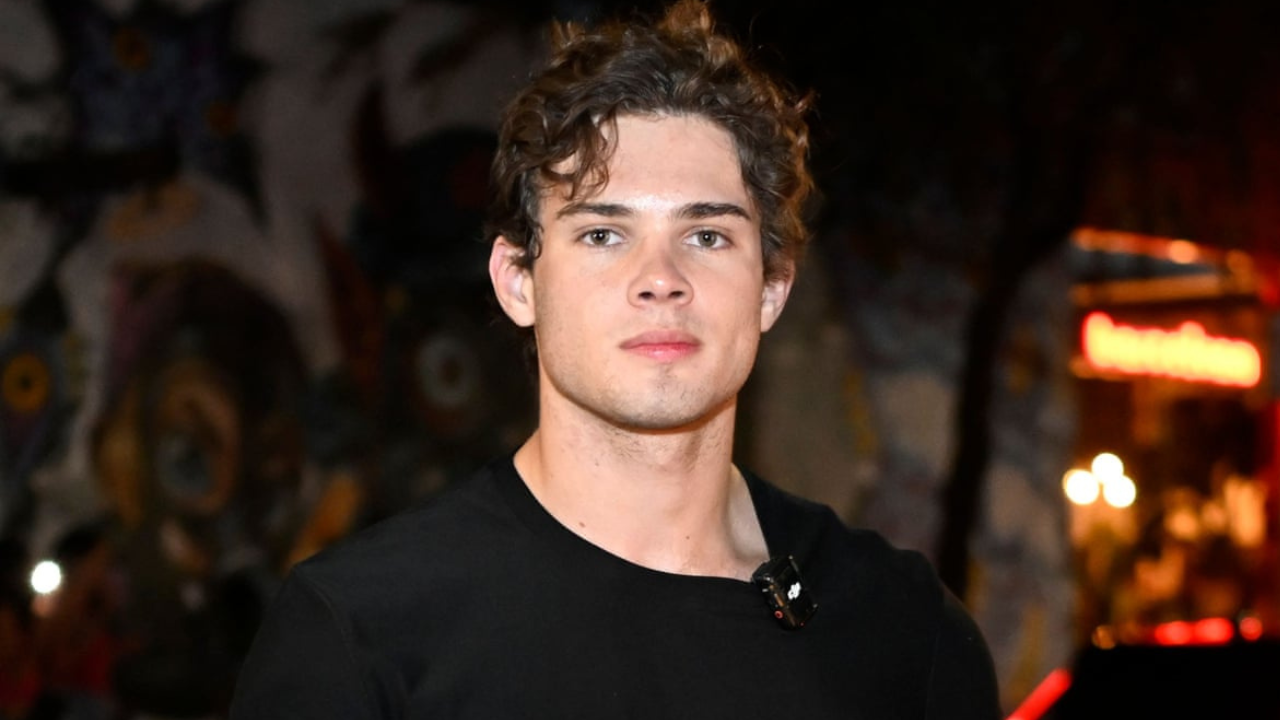
You can't look away from modern in-real-life streaming because it operates entirely on the edge of disaster. Braden Peters, better known as Clavicular, built a massive following on Kick by treating daily life like an extreme sport. Now, he's taking that exact volatile energy straight to US college campuses.
If you think standard campus vlogs involve harmless tailgates and campus quad football tosses, you haven't been paying attention to how the creator economy functions right now. The Clavicular US college tour is kicking off with high expectations, plenty of internet skepticism, and a history of unpredictable broadcast stunts that leaves very little room for error.
The Real Motivations Behind the Campus Invasion
Clavicular announced the tour via a trailer where he dropped a dry joke about finally trying to experience college life and looking his age. Coming from a Miami-based streamer who spent the past year navigating explosive controversy, arrests, and viral moments, the pivot to higher education feels calculated.
College fraternities and campus quads represent an endless supply of ambient chaos. You have thousands of young adults who grew up watching these exact internet personalities, creating an instant ecosystem for interaction. But dropping a polarizing Kick streamer into unscripted party environments rarely goes according to plan.
Social media reaction split instantly. Some fans predicted legendary streams and unmatched energy, while others pointed out a harsh reality: actual college students might treat the broadcast circus with total hostility.
Learning From the Arizona State Blueprint
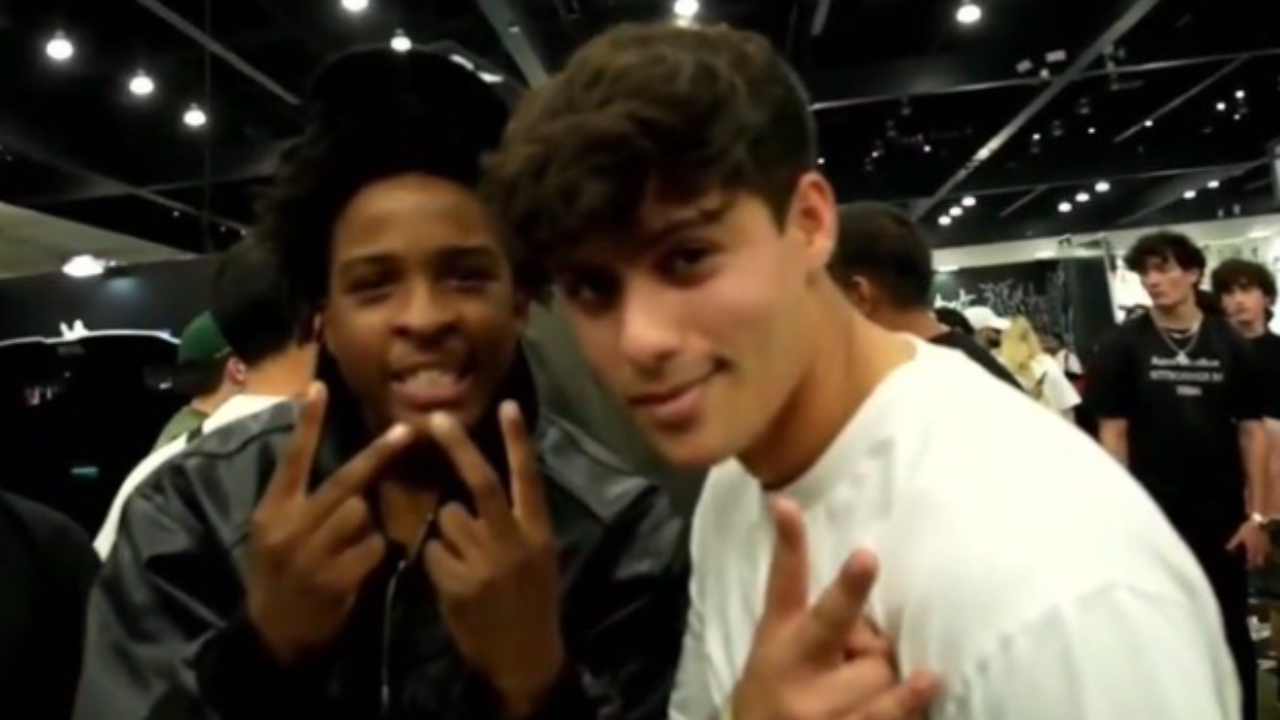
To understand what's coming, look back at his visit to Arizona State University. That single IRL broadcast yielded a viral selfie with TikTok creator Varis Gilaj that turned into the "frame mogged" internet meme. The internet loves a visual contrast, and the snapshot spread everywhere within hours.
Yet, that same ASU trip also showcased the razor-thin margin between viral content and local police involvement. Creators operating mobile streams in nightlife districts often find themselves colliding with local authorities before the night even ends. When you stream every second live, you broadcast your mistakes to an audience that screenshots everything.
The Logistics and the Liability
Taking a multi-city tour across different university hubs sounds great on paper, but the real-world friction points pile up fast.
- Security Concerns: Unvetted crowds and random partygoers mean the streamer's safety relies entirely on whoever is holding the camera.
- Campus Policies: Private and public universities don't typically roll out the red carpet for commercial streamers broadcasting illegal or disruptive behavior from dorms and fraternity rows.
- Audience Mismatch: Online fans watch from a distance for the spectacle, but students on campus dealing with midterms don't always appreciate a mobile production crew turning their weekend upside down.
Platforms like Kick thrive on unmoderated, unfiltered formats, but real-world geography has strict rules. Previous marathon broadcasts taught us that fatigue and erratic choices catch up to creators when cameras roll continuously.
What Happens Next
The success of this tour won't be measured by subscriber counts alone. It depends on whether the production can survive its own momentum without turning into a public safety hazard.
Keep your eyes on the VOD channels and social media clips over the next few weeks. If you want to track how the creator economy handles physical-world expansion, watch how security teams manage the crowds when the cameras go live. Expect high viewership, instant clips, and plenty of drama.