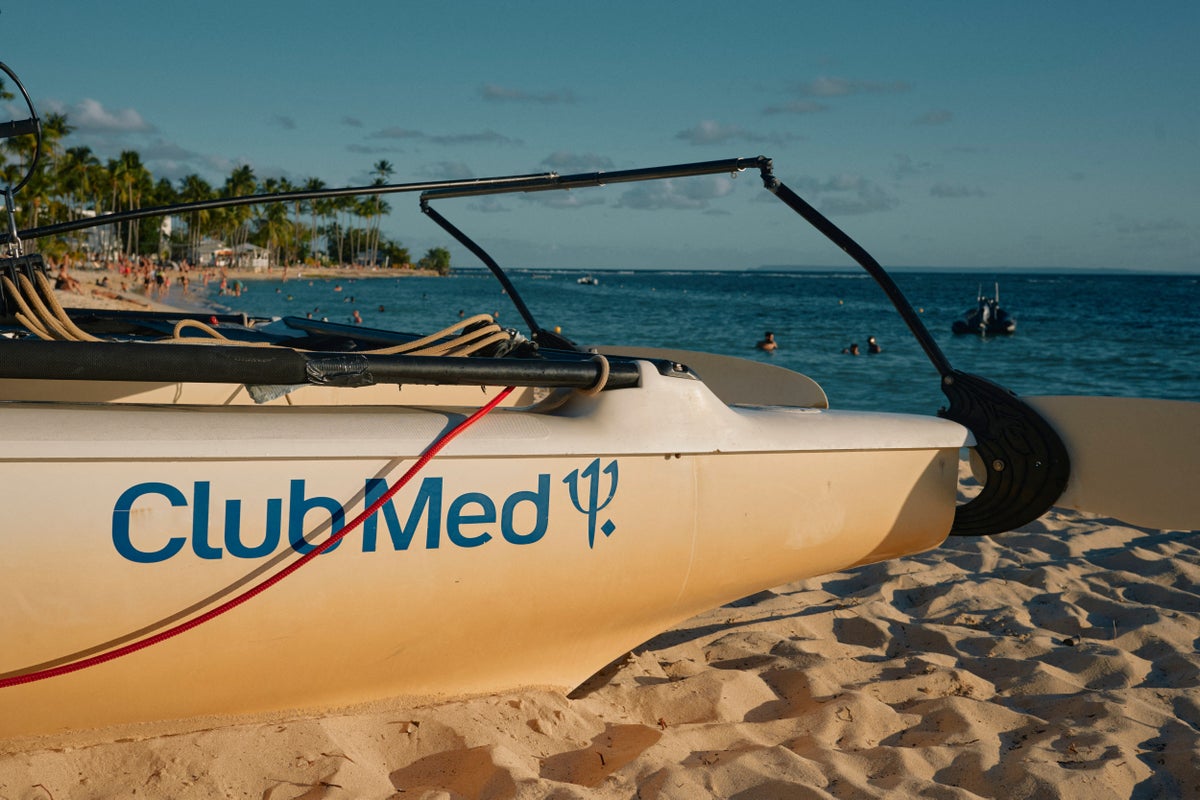
Vacation nightmares usually involve lost luggage or a bad stomach bug. For Yvonne Martin, a trip to Club Med Turkoise in the Turks and Caicos turned into a federal lawsuit after a shark attack left her with permanent nerve damage and severe scarring. When you book an all-inclusive tropical escape, you assume the resort staff has your safety locked down. Martin's court filing shatters that illusion.
She filed her complaint in a Maryland federal court, seeking upward of $500,000 in damages. The core of her argument isn't just that a marine predator bit her in the ocean. She claims resort employees created the dangerous situation by forcing her to swim seventy-five feet back to shore from a Hobie Cat sailboat during an approaching weather shift, rather than following standard protocol to guide the vessel in.
What happened next reads like a masterclass in corporate negligence and emergency mismanagement.
The Medical Nightmare After the Bite
Getting attacked by a shark in the crystal-clear waters of Grace Bay is rare, but it happens. The real damage, according to the lawsuit, came from what occurred after Martin dragged herself back to the beach.
No resort medical professional was waiting to treat her. Another vacationer stepped up to provide first aid while she bled on the sand. When a resort nurse finally showed up, the priority wasn't immediate triage. The staffer allegedly collected credit card information and struggled to provide adequate help.
An ambulance took an hour to arrive. Once Martin reached the local hospital, her stay was cut short because of insurance complications tied to Club Med's coverage. Hospital staff discharged her prematurely while she was still in active trauma.
Instead of getting proper care, she was transported back to the resort and confined to her hotel room for two days. She sat alone, waiting for insurance paperwork to clear while a dangerous infection took root.
Medical experts note that shark bite victims typically have a strict six-to-eight-hour window for stitches and infection prevention. Martin missed that window entirely because corporate bureaucracy took precedence over emergency medicine. She eventually required emergency evacuation to Miami for invasive surgeries and extensive physical therapy.
The Hidden Risks of All Inclusive Excursions
Resorts market themselves as carefree bubbles. You pay one price, sign a few waivers, and hand over responsibility for your well-being to trained professionals. But when things go sideways, the safety net often vanishes.
The lawsuit highlights a major blind spot in how resorts handle guest activities:
- Protocol shortcuts: Staff members altered standard operating procedures to save time or equipment during bad weather, putting a guest directly in harm's way.
- Untrained emergency responses: Relying on credit card collection and insurance verification instead of immediate life-saving care.
- Isolation of solo travelers: Martin was traveling alone, making her far more vulnerable to corporate stonewalling during a medical crisis.
When you book a water sport at a resort, you assume the staff evaluates environmental hazards. If an instructor tells you to jump into open water seventy-five feet from land, you trust them. Martin's legal team argues she never assumed the risk of a shark bite because she was safe inside a boat until employees ordered her out.
What Travelers Must Know Before Booking
This case changes how savvy travelers should look at resort liability. All-inclusive properties are masters of marketing relaxation, but they are corporations built to minimize liability.
If you plan on taking water sport lessons or heading out on resort-operated excursions, keep a few hard truths in mind. Resorts often outsource liability or hide behind lengthy waiver forms you sign on a tablet without reading. If an instructor tells you to do something outside of normal operating procedure, push back. You have the right to question safety protocols.
Travel insurance is also non-negotiable. Do not rely solely on whatever coverage a resort claims to have. If a medical emergency happens abroad, you want a policy that deals directly with providers rather than waiting on a hospitality chain's risk management team to approve your stitches.
Martin's case is moving through the federal court system. Win or lose, it serves as a brutal reminder that paradise comes with hidden fine print.
Check your resort's safety track record before you sign up for open-water activities. Pay attention to how staff handle equipment and weather shifts. When you are miles from home, you are your own best advocate.