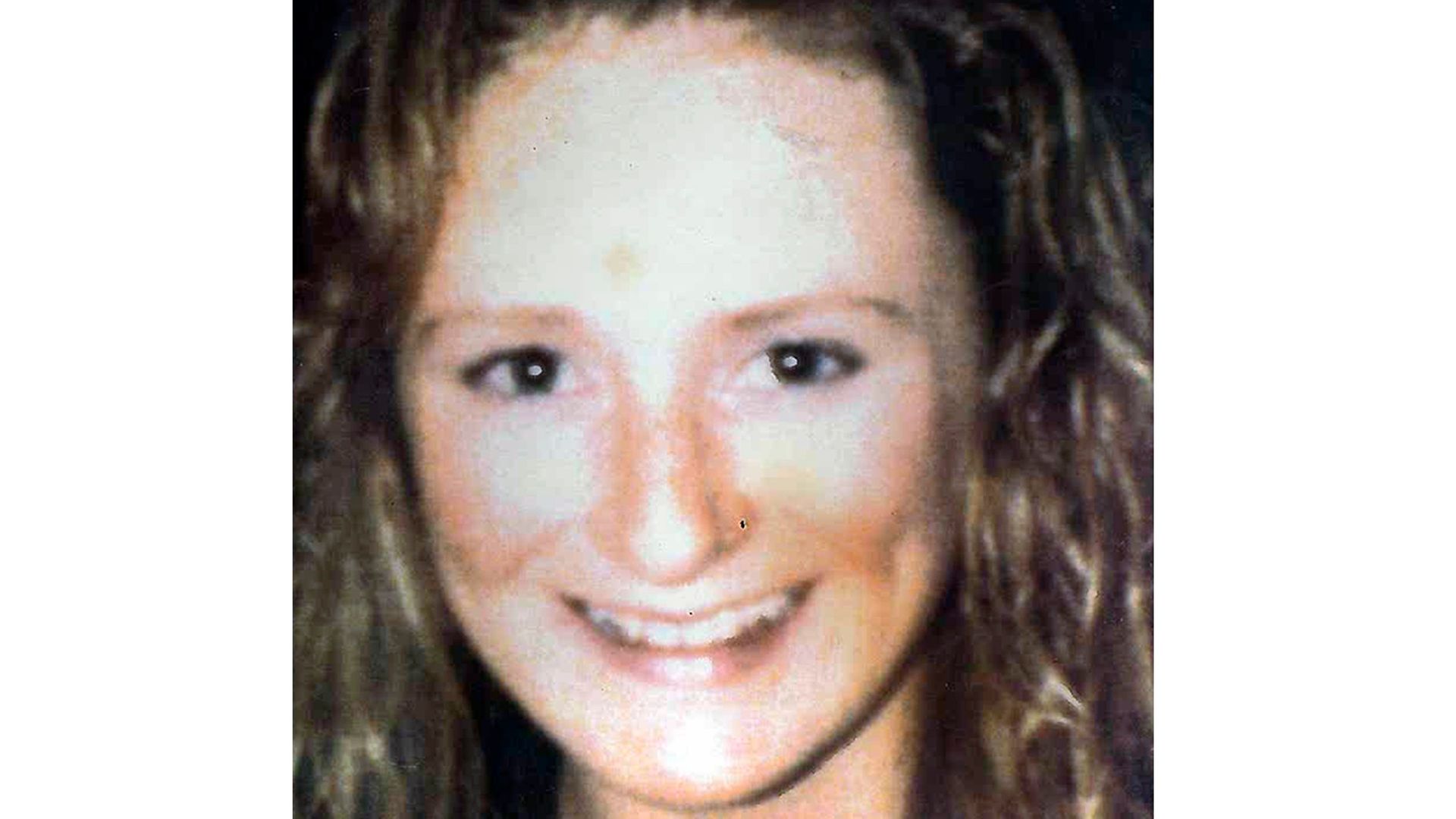
Cold cases rarely solve themselves. Investigators know that time doesn't heal every wound; instead, it often builds thick walls of silence. Detectives working on the brutal 1994 murder of Julie Finley have renewed their public appeal. They believe sheer fear and misplaced loyalty kept potential witnesses quiet for over three decades.
If you've ever wondered why someone would withhold critical evidence during a high-profile murder investigation, you have to look at the human element. Police aren't just fighting fading memories. They're fighting psychological barriers that don't disappear just because years go by.
The Anatomy of Silence in Cold Cases
Back in August 1994, twenty-three-year-old Julie Finley was strangled. Her naked body was dumped in a quiet carrot field in Rainford, Merseyside. Someone saw her talking to an unknown white man outside the Royal Liverpool University Hospital late at night. Another witness spotted a young woman matching her description arguing outside a local pub just fifty yards from where her body was later discovered.
Despite these clear sightings, the trail went cold.
Detectives now suggest that individuals who knew something back then stayed silent out of terror or a distorted sense of personal loyalty. In tight-knit communities, intimidation runs deep. When a killer walks free, the threat remains active in the minds of witnesses. People worry about retaliation. They worry about social ostracization.
Why Decades-Old Appeals Can Actually Work
Time changes power dynamics. Relationships dissolve. Allegiances that felt unbreakable in 1994 often fracture over thirty years. People move away from toxic environments. Individuals who were once terrified to speak up might now find themselves in a completely different stage of life, free from the immediate influence of those they once feared.
Police forces rely heavily on this psychological shift. Detective Inspector Sam Davies emphasized that it is never too late to do the right thing. Even a minor detail—a passing remark overheard in a pub, a vehicle spotted parked near the carrot field, or an unexplained absence—can complete a puzzle that has remained unfinished for generations.
Cold case units across the country reopen files not just for the sake of bureaucracy, but because forensic science and shifting human dynamics give them fresh leverage. DNA technology evolves, but human conscience changes just as much.
Breaking the Barrier of Loyalty
Loyalty is a powerful weapon in criminal investigations. Perpetrators often rely on accomplices or close associates keeping a code of silence. They assume that shared secrets bind people together forever.
In reality, carrying the weight of a murder investigation takes a heavy toll. As decades pass, the moral burden of protecting a criminal often outweighs the perceived benefits of staying loyal. Investigators target this exact vulnerability during fresh media appeals.
If you hold a piece of information about a historical crime, the passage of time doesn't make your knowledge irrelevant. You don't need to solve the entire case yourself. You just need to hand over the single missing fragment that law enforcement needs to bring closure to a grieving family.
Take a hard look at what you might know. Reach out to local authorities or independent crime-fighting organizations anonymously if necessary. Do the right thing.