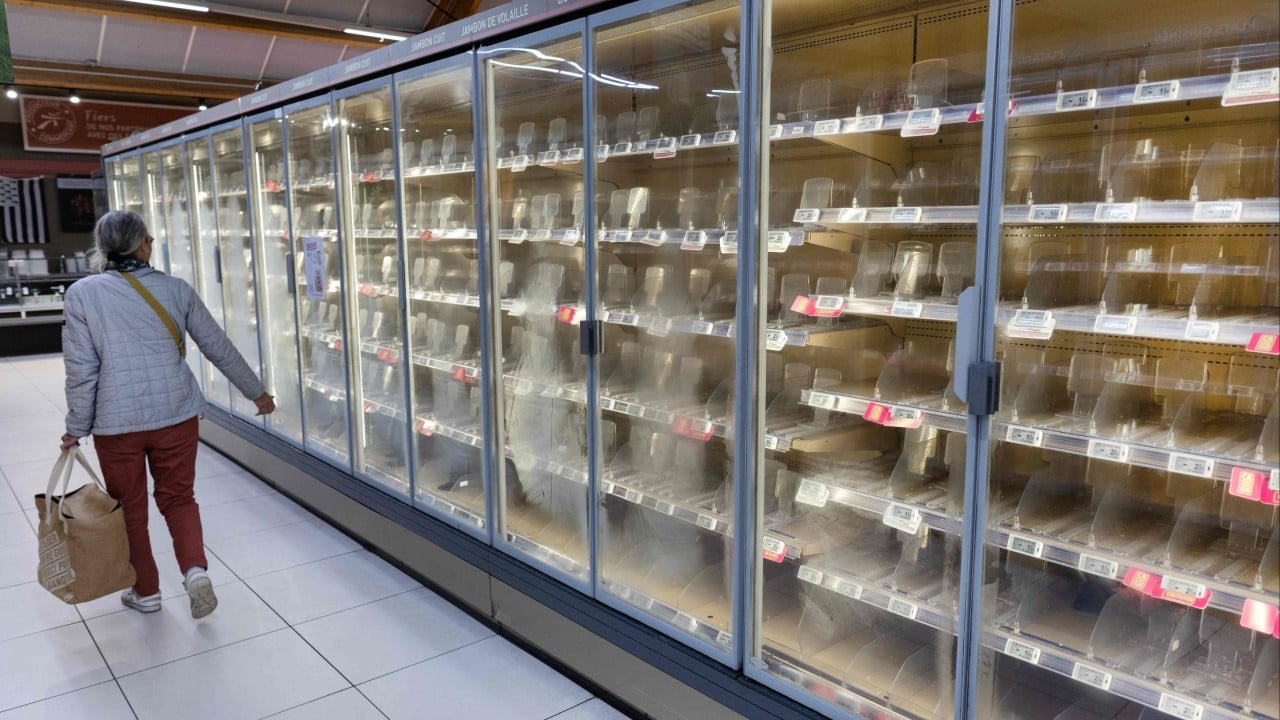
Geopolitical warfare used to look like troop movements, economic blockades, or targeted espionage. Today, it looks like a hacked cooling unit rotting thousands of tons of groceries.
French authorities didn't mince words when pointing fingers at Tehran. Foreign Minister Jean-Noël Barrot directly blamed Iran's Islamic Revolutionary Guard Corps for an offensive cyber campaign that turned standard commercial refrigeration units into tools of sabotage. Around seven hundred retailers across France watched helplessly last month as their fresh and frozen produce spoiled after hackers remotely manipulated defrost cycles, causing temperatures to spike and equipment to catch fire.
This wasn't a standard ransomware extortion plot. It was a calculated strike against civilian infrastructure.
Why Commercial Freezers Got Targeted
Most people assume nation-state hackers are busy cracking intelligence networks or stealing classified military schematics. But modern infrastructure relies on hyper-connected Internet of Things devices that often lack basic security hygiene. Supermarket refrigeration systems are networked for efficiency, allowing remote monitoring and automated temperature adjustments.
Hackers exploited those exact management interfaces. By breaking into the control software, the threat actors didn't just steal data—they physically disrupted the supply chain. Spoiling food on a massive scale hits a nation where it hurts. It creates public anxiety, strains local supply lines, and forces grocery operators into expensive emergency cleanups.
The Paris prosecutor's office tracked the digital footprints straight to the source. Investigators found explicit digital markers, including Farsi language artifacts and internet protocol addresses routing directly back to devices inside Iran. Furthermore, French officials targeted Shahid Kaveh, an offensive cyber unit linked to the Revolutionary Guards, requesting international arrest warrants for its leader and top deputies.
The Escalation Beyond Supermarket Aisles
What started as a bizarre grocery disruption quickly escalated into a national security crisis. A second wave of attacks hit over one hundred establishments across Europe. This time, the threat actors went after refrigerators utilized by French blood banks. Staff members had to scramble to relocate fragile blood supplies into alternative cold storage units before spoilage could compromise patient safety.
When cyberattacks cross the line from corporate disruption into medical supply endangerment, the rules of engagement change entirely.
France summoned the Iranian ambassador to deliver a formal rebuke. Paris is pushing hard for coordinated European-level sanctions to penalize the individuals and military factions responsible for the operation. Tehran has historically denied involvement in these kinds of malicious cyber operations, but the technical attribution presented by French intelligence leaves little room for diplomatic ambiguity.
The Vulnerability of Everyday Infrastructure
The chilling reality of the French fridge hacks is that they expose a glaring blind spot in modern defensive security. Organizations spend millions protecting corporate databases and financial ledgers, yet they leave industrial control systems, HVAC setups, and commercial cooling units exposed behind weak credentials or unpatched firmware.
When a hostile state actor decides to test asymmetric warfare tactics, they don't need to breach a bank vault. They just need access to a local supermarket's cooling grid.
Governments across Europe are now rushing to audit commercial IoT devices before threat actors launch repeat offensives. Expect tighter regulatory compliance for connected appliances, mandatory security baselines for industrial hardware, and swift retaliatory diplomatic measures as the fallout from these attacks unfolds across the European Union.