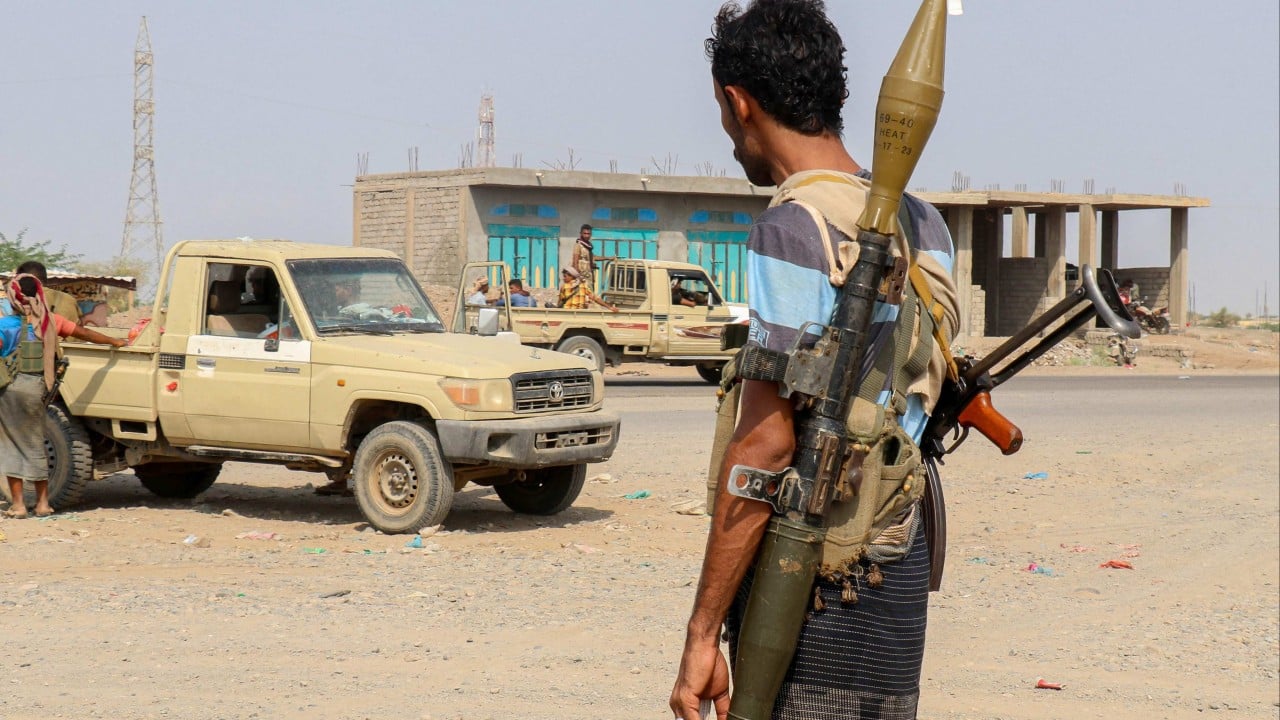
The quiet that held Yemen together for four years is officially shattered. Hundreds of fighters are already dead in the most violent clashes since the 2022 UN-brokered truce collapsed. If you thought the Middle East conflict was contained to Gaza or Lebanon, you haven't been paying attention to the Red Sea gateway.
Iran-backed Houthi rebels and Saudi-backed government forces are currently locked in intense turf wars over strategic districts in Taiz, Hays, and western coastal corridors. Frontlines that remained frozen for years are melting away. The human toll is mounting fast, and international diplomats are scrambling to keep the fragile peace architecture from total destruction.
The Real Cost of the Renewed Red Sea Battle
Why does this escalation matter right now? It's simple. Control over Yemen's coastal strips means control over critical maritime lanes. The Houthis aren't just fighting for domestic territory; they're flexing military muscle, utilizing ballistic missiles and drone technology against Saudi-linked forces and regional shipping routes.
When fighting flared up across Maqbanah and surrounding districts, civilian displacement spiked instantly. Families who spent years trying to rebuild homes are packing bags again. Rawdhah Hasan, a displaced resident from Maqbanah, put it bluntly when describing the relentless incoming fire from surrounding hills. The local population bears the brunt while political leaders exchange threats in Sanaa and Riyadh.
Where the 2022 Truce Went Wrong
The 2022 ceasefire was always a band-aid on a gushing wound. It stopped the official daily shelling, but it left fundamental political questions unanswered.
- The internationally recognized government wanted full territorial restoration.
- The Houthis consolidated administrative control in the north.
- Regional power brokers shifted focus, leaving local factions to simmer in a stalemate.
Stalemate never lasts forever. As peace talks mediated by Oman and the United Nations stalled out, hardliners on both sides gained the upper hand. The recent push for strategic districts proves that military commanders decided dialogue had run its course.
What Happens Next for Regional Stability
You can expect the humanitarian situation to spiral quickly if regional backers step up their involvement. Saudi-backed forces are deploying reinforcements to southern districts, while Houthi leadership signals zero willingness to back down from coastal positions.
The international community is calling for immediate restraint, but calls for peace sound hollow when artillery is actively trading fire across Taiz. If you're tracking global supply chains or Middle Eastern geopolitics, keep your eyes fixed on Yemen's western coast. This isn't a localized skirmish. It's the spark that could reignite a full-scale regional war.
34535443.jpg)