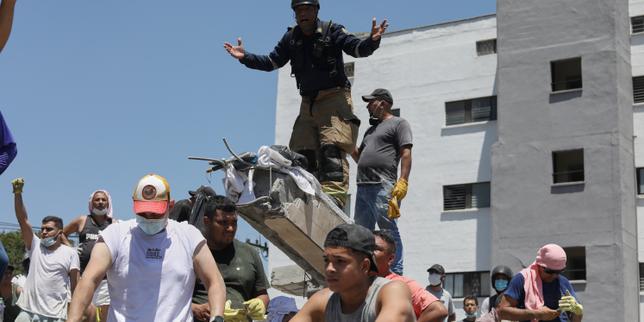
Ground shook violently across western Colombia on a Monday morning, catching millions off guard and plunging the country into an immediate national crisis. A massive 7.4 magnitude earthquake struck near San José del Palmar in the Chocó department, ripping through infrastructure and forcing President Abelardo de la Espriella to declare an emergency response right after taking office.
You need to look at the numbers to grasp the real scale. At least 111 people died, dozens more suffered severe injuries, and hundreds of homes crumbled into dust. Cities like Cali, Pereira, and Manizales bore the heaviest brunt as buildings gave way under intense seismic waves. If you liked this post, you should read: this related article.
The Reality on the Ground in Cali and Pereira
When a 7.4 tremor hits at a depth of about 100 kilometers, the energy spreads differently than shallow quakes, yet the damage remains catastrophic. In Pereira, located inside the famous coffee region, structural damage trapped residents beneath heavy rubble. Mauricio Salazar, the mayor there, called the local situation critical right away.
Over in Cali, Colombia's third-largest city, towers of dust rose into the air as structures buckled. Taxis shook on asphalt, and everyday citizens ran into the streets in absolute panic. Hospitals quickly filled up with patients needing urgent care, while rescue teams worked against the clock. For another perspective on this event, see the recent update from NBC News.
Why the State of Emergency Matters Now
Abelardo de la Espriella didn't wait. Barely settled into the presidency, he flew back to Bogotá and announced an immediate state of emergency to channel state resources directly to affected zones like Risaralda and Valle del Cauca.
Airports in cities like Manizales, Pereira, and Armenia faced immediate suspensions as authorities scrambled to inspect runways and terminal structures for hidden cracks. International aid offers started pouring in, but the immediate survival of towns cut off by landslides relies entirely on domestic coordination.
Don't expect recovery to happen overnight. When infrastructure fails on this scale, getting clean water, power, and medical access back online takes weeks of grueling labor. Stay alert to official updates if you have family or travel plans in the region.