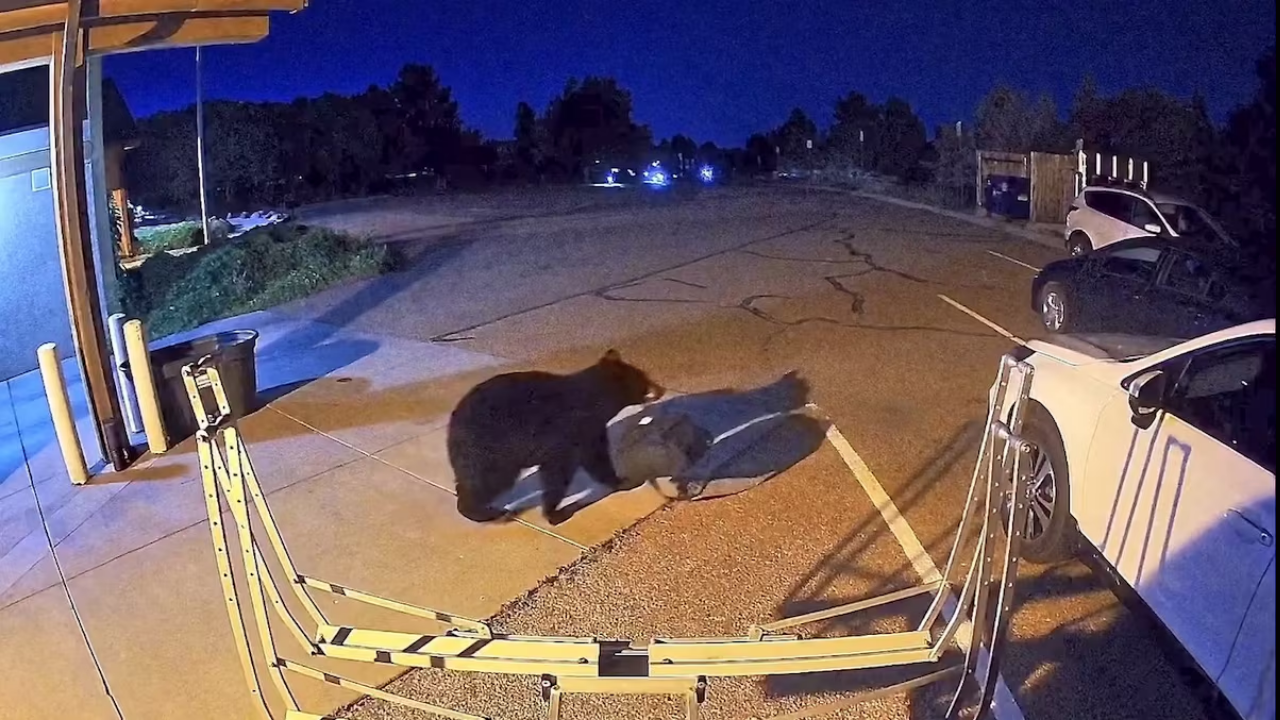
Imagine sitting on the toilet in your mountain home, scrolling through your phone, and suddenly hearing scratching noises in your hallway. You walk out to check and find two young black bears staring right back at you. That is exactly what happened to Matt Errico in Granby, Colorado. It is not an isolated weird occurrence anymore.
Colorado has officially logged over 7,000 bear sightings in 2026, shattering its previous full-year record.
If you live anywhere in the American West, or plan on visiting, you need to know why this is happening. The state wildlife population isn't just growing. Hungry animals are breaking into homes, wandering through shops, and walking past schools because their natural survival rules are completely broken.
The Real Driver Behind the Numbers
Why are bears showing up in kitchens and vape shops? Look at the weather data. The West just went through its driest winter on record.
Natural vegetation, berries, grasses, and nuts make up about 90 percent of a black bear's normal diet. When severe drought wipes out those food sources, bears have to look elsewhere. Their sense of smell is legendary. They can smell garbage, bird feeders, and pet food from miles away, leading them straight into human neighborhoods.
State wildlife figures show that Colorado is currently home to an estimated 17,000 to 20,000 black bears. That is one of the healthiest populations anywhere. But pair that many bears with shrinking natural food and expanding human towns, and conflict is inevitable. Over the last fifty years, human populations in places like Vail and Colorado Springs have more than doubled. We built neighborhoods right on top of historical wildlife corridors.
The Deadly Cost of Human Neglect
This crisis isn't just inconvenient. It is deadly.
Colorado has already recorded at least six direct bear attacks on people this year. When a 300-pound animal with four-inch claws walks into a kitchen looking for calories, things go wrong fast.
Unfortunately, the bears usually pay the highest price. State wildlife officials report that between 1.5 percent and 2 percent of reported sightings end with a bear being euthanised. Once a wild bear learns that human houses mean easy food, it loses its natural fear of people. Wildlife officers are forced to remove or kill animals that enter occupied homes or show aggressive behavior.
Jonathan Livingston from Colorado Parks and Wildlife puts it bluntly. Early reports from residents give officers the only real chance to use non-lethal methods to scare bears away. But once a bear gets hooked on garbage or unsecured bird seed, options run out.
What Experts Fear Next
As autumn approaches, biologists are bracing for hyperphagia. This is the period when bears eat continuously to build massive fat reserves before winter hibernation.
Heather Reich, a Nevada bear expert and former wildlife agency officer, didn't mince words when describing the upcoming months to reporters. She expects things to look severe as bears search more aggressively for anything to eat.
If warm and dry winters keep happening, climate models suggest these disruptions will become the new normal. Bears might stop hibernating normally. They might permanently adapt to living off human trash instead of wild forage.
How to Protect Your Property Right Now
If you want to keep bears out of your yard, stop relying on luck. Take immediate action with these practical steps:
- Lock up your garbage: Standard plastic bins are basically dinner bells. Upgrade to certified bear-resistant containers and only put them out on the morning of pickup, never the night before.
- Take down bird feeders: Put them away entirely during the spring, summer, and fall months. Seeds and suet are high-calorie magnets.
- Secure outdoor temptations: Bring pet food inside, lock your ground-floor windows, and clean your barbecue grills after every single use.
Don't wait until you find a bear rummaging through your hallway. Fix your outdoor habits today.