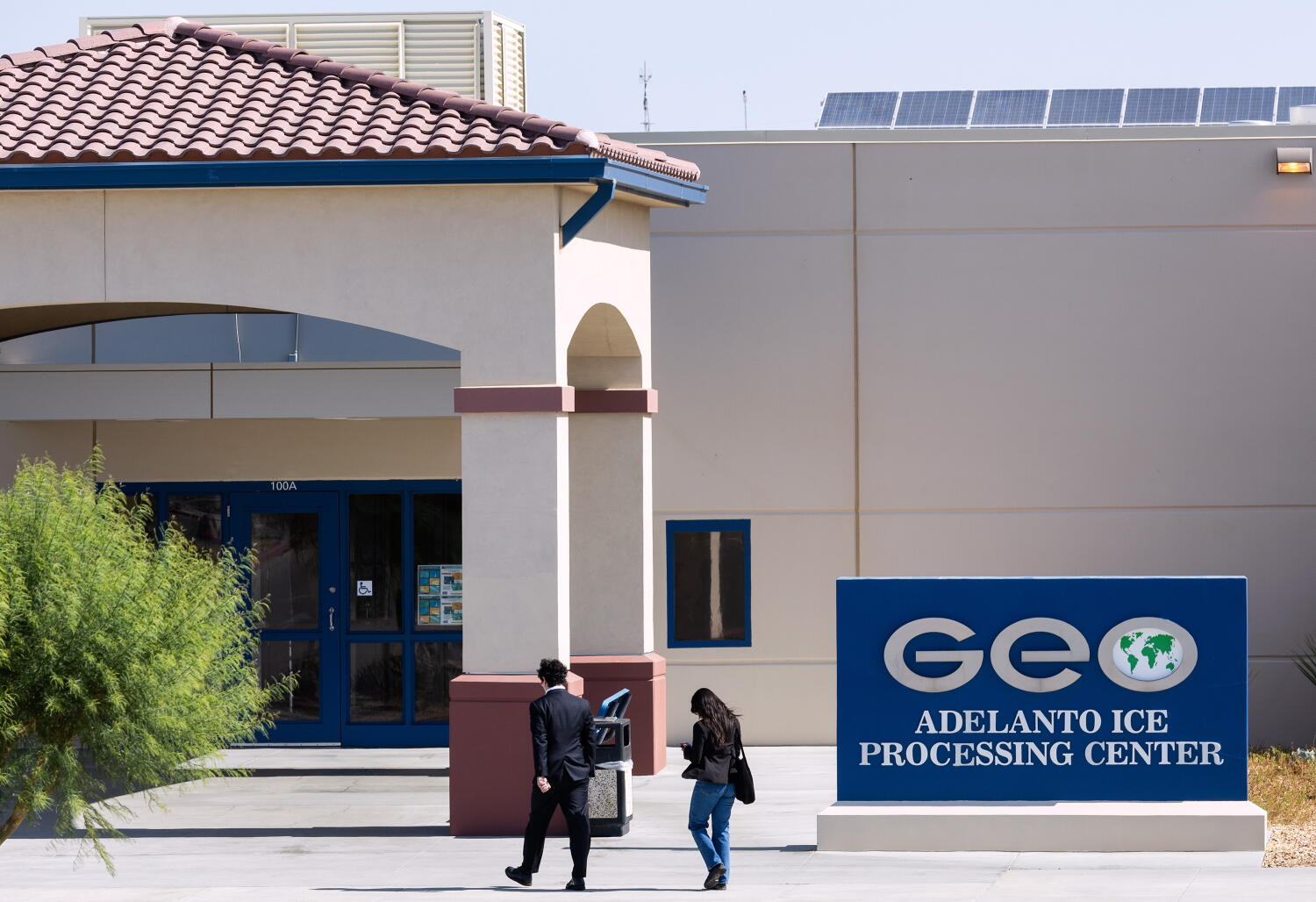
When a federal court steps in to mandate sweeping overhauls at a massive detention center, you expect things to change. You expect clean water, functioning medical care, and basic sanitation. But inside the Adelanto ICE Processing Center holding nearly 2,000 immigrants, court-ordered reforms are running straight into a wall of institutional failure. A fresh court monitor report paints an alarming picture of ongoing neglect, showing that the facility is missing basic standards of human dignity despite active legal mandates.
If you look past official press releases and examine what court monitors actually found on the ground, a troubling reality emerges. Water safety issues, severe mold, and barriers to independent oversight expose deep cracks in how private contractors and federal agencies manage immigration detention in California.
What Court Monitors Discovered Inside
Federal judges do not appoint independent monitors lightly. Following a preliminary injunction in mid-2026, the court ordered the government and private operators like GEO Group to fix severe deficiencies at Adelanto. The facility was supposed to guarantee 24-hour access to potable water, sanitary meals, legitimate medical care, mold remediation, and daily outdoor recreation.
Instead, the latest monitoring findings show the facility is largely noncompliant.
Detainees have spent months dealing with contaminated water supplies, with footage and formal complaints highlighting debris and fly larvae in drinking containers. While private operators and federal spokespeople frequently deny subprime conditions and point to municipal water quality summaries, the lived experience of people locked inside tells a completely different story. Plumbing failures and inadequate maintenance inside the facility perimeter mean that safe municipal water often turns compromised by the time it reaches a detainee's cup.
Compounding these water issues, mold remediation remains sluggish or incomplete, leaving residents exposed to hazardous indoor air quality. Combine that with inconsistent access to fresh outdoor air—frequently falling short of the mandated four hours daily—and you get an environment actively harmful to physical and mental health.
The Breakdown in Medical Oversight
Physical infrastructure problems are only half the battle. Healthcare inside immigration detention has faced intense scrutiny following multiple deaths and widespread reports of delayed treatments. At Adelanto, the breakdown of independent oversight became glaringly obvious when a court-appointed medical monitor was blocked from accessing the facility and reviewing critical medical records.
When oversight bodies are locked out, accountability vanishes.
Advocacy groups and lawmakers, including California Representative Norma Torres, have repeatedly pointed out that federal oversight falls short of protecting human life. Four people died after medical neglect or complications tied to detention conditions since early 2025, turning administrative inertia into a lethal problem. When medical intake assessments miss chronic conditions or deny timely specialty referrals, preventable illnesses quickly escalate into emergencies.
Why Private Detention Management Keeps Stumbling
The core issue isn't just a lack of rules. It is the systemic friction between private profit-driven operators and constitutional obligations. Facilities like Adelanto are operated by private corporate entities under contract with Immigration and Customs Enforcement. When cost-cutting, understaffing, and bureaucratic buck-passing collide with high detainee populations, basic human needs become optional luxuries.
The government often points to contractual compliance policies on paper, while detainees document rotten food, severe overcrowding, and unresponsive grievance systems on the inside. Independent legal advocates emphasize that until external, unannounced inspections are fully enforced without obstruction, court orders will remain toothless guidelines rather than real protections.
True reform requires immediate transparency, open access for medical monitors, and zero tolerance for compromised water and living spaces. Until those baselines are met, reports from Adelanto will continue to expose a system failing its most basic legal and moral duties.