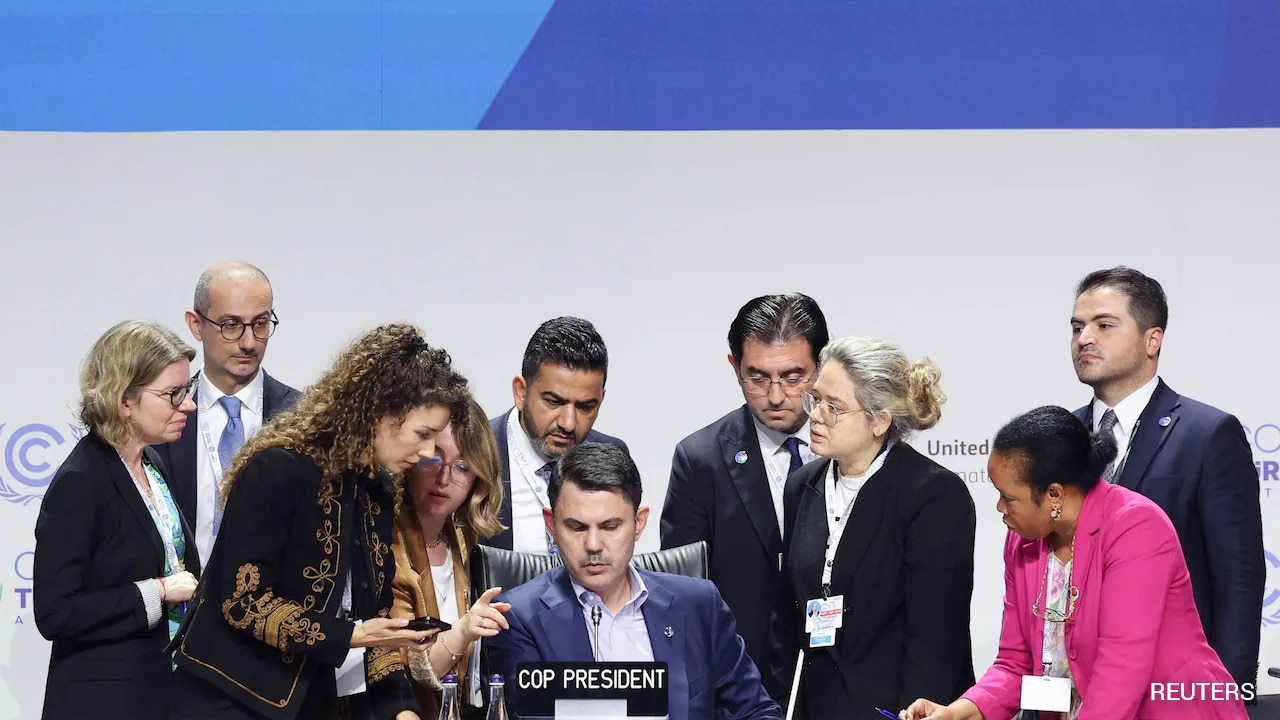
Two extra days of overtime in Antalya, Türkiye, and the entire summit still fell apart. On November 22, 2026, COP31 wrapped up without a final climate pact—the first UN climate conference to end with no agreement since COP15 in 2009.
If you're stunned by that collapse, honestly, you haven't been paying close enough attention. For over three decades of UN climate diplomacy, world leaders have danced around the exact thing trapping heat in our atmosphere: coal, oil, and gas. Across thirty-one summits, explicit fossil fuel language barely showed up in final texts—essentially a single high-profile breakthrough at COP28 in Dubai in 2023, followed by years of backtracking and pushback.
The real question isn't why COP31 stumbled in overtime. It's why we expected a consensus-driven UN process to suddenly tell petrostates and major polluters to sign off on their own economic shrinkage.
Why COP31 Collapsed Over Fossil Fuels When the Science Is Clear
Climate science isn't fuzzy. Burning fossil fuels drives global warming, and warming drives deadlier heatwaves, fiercer storms, ruined harvests, and record-breaking temperatures—with 2026 shaping up among the hottest years ever recorded. UN Secretary-General António Guterres put it bluntly as talks broke down: there may be no consensus in the negotiating room, yet there is zero ambiguity in the science.
Still, consensus rules under the United Nations Framework Convention on Climate Change mean any single bloc or major producer can block a deal. Over the course of the Antalya summit (November 9–22, 2026), an initial draft calling for an immediate transition away from fossil fuels got stripped down under heavy resistance from major oil and gas exporters, led by Saudi Arabia. By the time final text circulated, even basic references to fossil fuels were gone, replaced by softer language about low greenhouse gas emissions and resilience.
For a coalition of roughly 130 parties—including the European Union, the UK, Panama, and climate-vulnerable small island states—erasing fossil fuels from a climate deal felt absurd. Imagine running a public health campaign against smoking while refusing to print the word "cigarettes" anywhere on the poster.
Panama's Environment Minister Juan Carlos Navarro captured the anger in the room when he accused the process of being held hostage by fossil fuel interests and compared the dynamic to Stockholm syndrome. When a UN climate summit can't name coal, oil, and gas in its cover decision, credibility takes a direct hit.
The Structural Flaws That Made This Breakdown Inevitable
Calling COP31 a sudden surprise misses how fragile these summits have been for years. Even before delegates arrived in Antalya, the deck was stacked against a breakthrough.
Absent Heavyweights and Fractured Leadership
For the second year in a row, the United States—historically the largest cumulative emitter and the world's biggest economy—sat out the negotiations following the Trump administration's withdrawal from the Paris Agreement. Without Washington at the table, leverage shifted even more noticeably toward fossil fuel exporters and holdouts.
Hosting dynamics added friction, too. After a prolonged tug-of-war between Australia and Türkiye over hosting COP31, Türkiye hosted the summit in Antalya while Australian Minister Chris Bowen presided over negotiations, following pre-COP events in the Pacific, including Fiji and Tuvalu. Joint leadership and split responsibilities can look cooperative on paper, yet in high-stakes endgame haggling, diffuse ownership often slows down decisive compromises.
Consensus Rules and "Trade Fair" Bloat
When every country holds an effective veto, ambition naturally drifts toward the lowest common denominator. Over the past decade, COP summits have also swollen into massive gatherings filled with tens of thousands of attendees, lobbyists, side events, and corporate pavilions. Sometimes it feels less like a focused crisis room and more like an enormous trade fair where headline pledges get more attention than enforceable action.
A lot of delegates have privately wondered for years whether a smaller, tighter diplomatic format—or a different forum altogether—could actually move faster. When everyone shows up and nobody is bound by real enforcement, marathon sessions ending in exhaustion become routine.
The Carbon Removal Trap
Part of the blowup in Antalya wasn't just what got cut from the text; it was what stayed in. Draft language leaned heavily on scaling up carbon dioxide removal and carbon capture technologies, including at gigatonne scale.
Here's the catch from an engineering and real-world standpoint. Carbon capture and removal remain expensive, energy-hungry, and tiny relative to global emissions—capturing and storing well under 1 percent of roughly 60 billion tons of annual greenhouse gas emissions. Critics worry that treating unproven or small-scale capture as a centerpiece gives high emitters an excuse to keep pumping carbon today while promising to vacuum it up later.
I've watched plenty of climate debates get bogged down in technical fixes, and the pattern is always the same. Promising future carbon removal is easy; cutting oil, gas, and coal output right now is politically brutal.
Fossil Fuels vs. Climate Finance in Developing Nations
If you only read headlines about fossil fuels, you might miss another huge fault line that shaped COP31: climate finance.
For many developing countries—especially across Africa and small island states—climate change isn't an abstract policy debate. It's a daily budget crisis. Governments already squeezed by high debt service, inflation, and extreme weather are spending money on storm damage, crop losses, and disaster recovery that should be going to schools, hospitals, and basic infrastructure.
At COP29 in Baku in 2024, wealthier nations pledged $300 billion a year in public climate finance by 2035 alongside efforts to mobilize far more private capital. Yet getting real money to vulnerable nations quickly—and delivering on promises to triple adaptation finance—has lagged far behind needs.
That tension explains why not every nation reacted the exact same way in the final plenary. Some countries pushing hard on fossil fuels also had urgent financing demands that felt sidelined. As delegates from developing nations have repeatedly warned, asking poorer countries to bear transition costs without reliable funding is a non-starter.
As highlighted in UN reporting on the COP31 outcome, negotiators will now carry unresolved disputes over fossil fuels and climate finance straight into COP32 in Addis Ababa, Ethiopia, in 2027.
What Happens Outside the UN Negotiating Room
A stalled UN summit is bad news for global coordination, no question about it. Still, diplomatic gridlock in a conference hall doesn't freeze technology or economics overnight.
Solar, wind, battery storage, and grid electrification keep scaling in plenty of markets because they're often cheaper and faster to deploy than new fossil infrastructure. Some countries and coalitions—including side initiatives on methane cuts, clean energy partnerships, and regional coalitions—keep pushing practical projects forward even when consensus fails at the plenary level.
At the same time, let's be honest about the limits. Market trends alone won't automatically protect low-lying coastlines, fund adaptation in cash-strapped countries, or replace the role a binding global framework is supposed to play. Without clear targets and accountable financing, progress stays uneven and vulnerable to political swings.
Practical Next Steps After COP31
Whether you work in policy, business, sustainability, or you're just trying to make sense of climate news without getting whiplash, don't wait for the next UN gavel to decide what matters.
- Track real-world energy and emissions data, not just summit communiqués. Watch actual deployment numbers for solar, wind, batteries, and methane abatement, plus national policy implementation, rather than treating summit press releases as binding law.
- Audit your own or your organization's transition plan for "future tech" crutches. If a climate strategy relies heavily on distant carbon removal offsets instead of direct energy efficiency and emissions cuts today, treat those claims with skepticism.
- Follow climate finance and adaptation commitments closely. Pay attention to whether promised public funds and adaptation support actually reach vulnerable regions—because fairness and financing decide whether global coalitions hold together.
- Stay engaged at local and national levels. Municipal energy rules, utility pricing, grid upgrades, and national industrial policy often shape day-to-day reality much faster than multi-week international summits.