Art is supposed to make people uncomfortable. It's supposed to challenge assumptions and force us to look at realities we would rather ignore. But when a local government body cancels a major exhibition because they claim it presents an unacceptable threat, you have to wonder where the line gets drawn between public safety and institutional cowardice.
The recent decision by the Shoalhaven City Council in New South Wales to block the display of American artist Phil Buehler's renowned installation, The Wall of Tears, exposes a troubling trend. Instead of managing public spaces for public discourse, authorities are running away from controversy under the guise of risk management. Meanwhile, you can read similar developments here: What The Strait Of Hormuz Two Day Reopening Plan Actually Means For Global Markets.
What Actually Happened in Shoalhaven
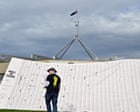
The Wall of Tears is a massive 50-foot installation that serves as a sobering memorial. It documents the thousands of children killed in Gaza, pulling names, ages, and photographs directly from verified reporting. It has traveled across capital cities, appearing outside federal parliament in Canberra and drawing crowds in Sydney, Perth, and Adelaide without incident.
Yet, when organizers tried to bring the exhibition to the Shoalhaven Regional Gallery in Nowra, the local council balked. To see the bigger picture, check out the detailed report by The Guardian.
Internal risk assessments leaked to the press reveal a staggering list of demands placed on the local advocacy group, Shoalhaven Friends of Palestine. The council suggested organizers investigate hiring armed guards, slash the exhibition run from eight days down to three, lock the gallery doors, restrict entry strictly to RSVPs, and completely halt public advertising to dodge reputational damage.
Asking a community group memorializing dead children if they can source armed guards is absurd on its face. Annette Pham, a representative for the local organizers, noted they had no idea where one would even acquire armed guards for a peaceful art display.
Chief Executive Andrew Constance ultimately pulled the plug, citing vague staff safety concerns. The council refused to answer direct inquiries regarding what specific threats actually triggered this panic.
The Slippery Slope of Safety Pretexts
When institutions hide behind safety excuses to cancel politically sensitive art, they set a dangerous precedent. Art about war, famine, and human rights has always courted friction. If local governments decide that any topic capable of sparking protest or community disagreement is too dangerous to host, we effectively surrender public spaces to whoever yells the loudest or threatens the most disruption.
Phil Buehler expressed shock that his work could be viewed as a physical danger. He spent months living with the data and faces of children holding soccer balls, wearing graduation caps, and sitting on their parents' shoulders.
"They're children. They're like your children, my children," Buehler said. "The danger is put on by other people who are trying to turn it into something it's not."
By folding under the pressure of potential controversy, the council didn't neutralize a threat. They preemptively censored a memorial because it made local bureaucrats squirm.
Where the Exhibition Landed Instead
Bureaucratic obstructionism rarely stops grassroots organizing. Rather than letting the work get buried in red tape, organizers pivoted quickly. The Wall of Tears found a welcoming venue at the Berry Uniting Church, opening locally as planned.
Communities will always find alternative ways to share difficult truths when local institutions lock their doors. But the ease with which regional authorities surrender to fear remains a glaring warning sign for free expression. When a council treats a photo of a child as a hazard requiring armed security, the real breakdown isn't public safety. It's courage.