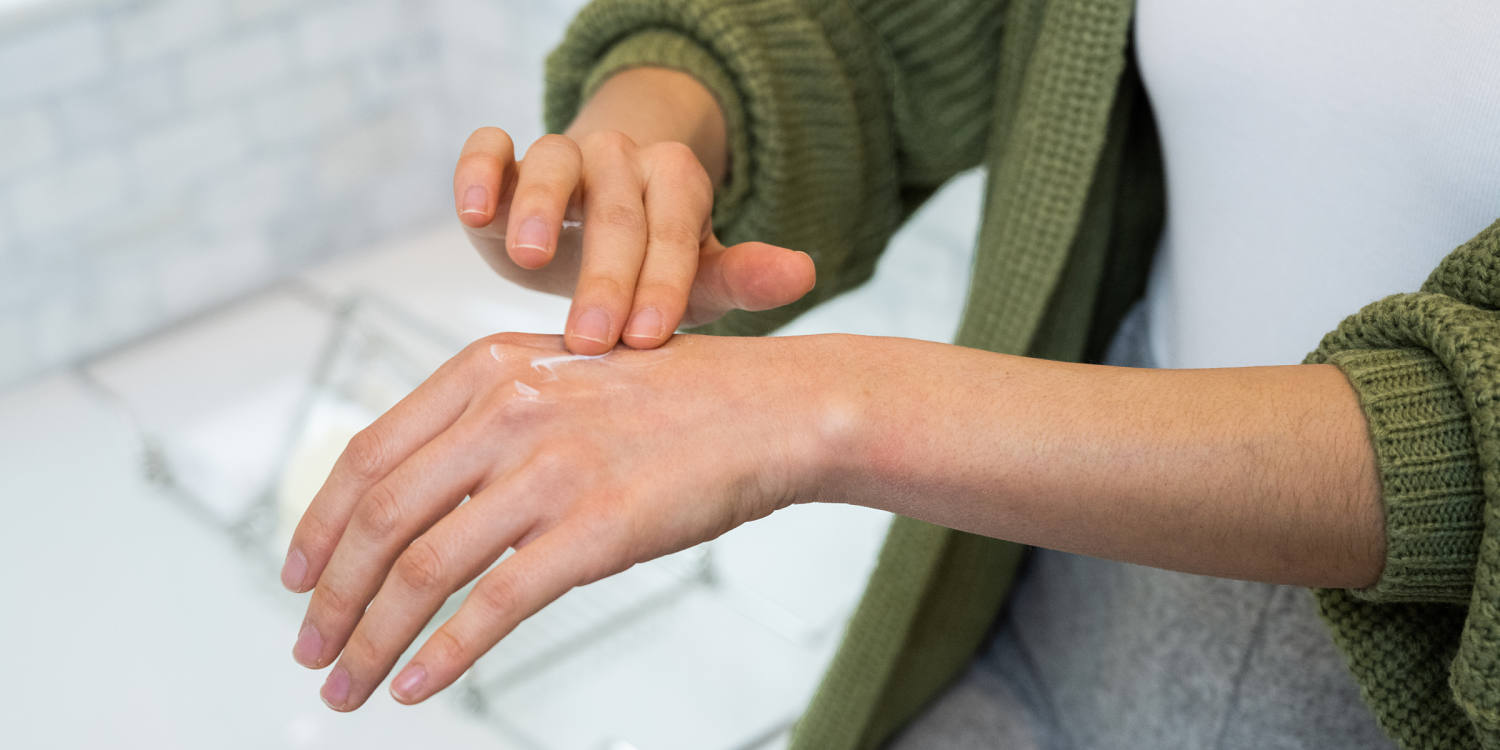
You bought the expensive cream. You applied it twice a day for a month. Your scar still stares back at you in the mirror, looking just as stubborn as day one.
Most over-the-counter scar treatments fail because people misunderstand how skin actually heals. Marketers want you to believe a magical botanical extract will erase years of dense collagen overnight. It will not. Healing skin requires physics and biology, not empty marketing promises. If you want real results, you need to understand what works, what is a complete waste of money, and how to match the right product to your specific type of mark. Meanwhile, you can read related stories here: Why Energy Drinks Are Destroying Kid Health And What Parents Miss.
The Science That Actually Matters
Skin doesn't care about fancy branding. When you experience a deep cut, surgery, or severe acne breakout, your body rushes to patch the hole. It lays down collagen rapidly, often in a messy, disorganized grid. That chaotic bundle of protein is what creates a visible scar.
To flatten and fade that mark, you have to alter how collagen behaves. Dermatologists agree on two primary gold standards for home use: silicone occlusion and targeted active ingredients. To see the complete picture, check out the detailed report by Everyday Health.
Silicone works through pure physics. By sealing the area and trapping moisture, it signals your skin to slow down excessive collagen production. This hydration reduces thickness, flattens raised tissue, and calms relentless redness. If a treatment does not provide a protective, hydrating barrier or actively target pigment, it is likely not going to move the needle.
Silicone Sheets Versus Gels
Choosing between silicone sheets and topical gels comes down to location and convenience.
Sheets, such as ScarAway or medical-grade options like Nuvadermis, offer continuous 24-hour micro-environment control. You cut them to size, slap them over a linear surgical scar, and let them work. They shine brightest on flat, stable areas like a C-section line or a joint-free limb. They also provide physical protection against clothing friction, which irritates healing tissue.
Gels take over when sheets become impractical. If you are dealing with an acne scar on your cheek or a mark across your knuckles, a sheet will peel off within minutes. Fast-drying silicone gels like Kelo-Cote or Mederma Advanced create an invisible, breathable barrier that handles high-movement zones effortlessly. You can layer sunscreen or makeup right over top once it dries.
Chemical Exfoliants and Brighteners for Discoloration
Not all scars involve raised tissue. Many lingering marks are purely flat spots of hyperpigmentation left behind by inflammatory acne. Silicone will do very little for a dark brown or red spot that remains completely flat.
For discoloration, you need targeted brightening agents. Formulations containing tranexamic acid, kojic acid, and azelaic acid—found in popular products like Topicals Faded Serum—actively disrupt the melanin production that keeps dark spots visible. Niacinamide also plays a supportive role by calming angry, inflamed skin barriers.
The Timing Mistake Everyone Makes
Impatience ruins more scar outcomes than bad products. People start applying treatments while a scab is still hanging on or stitches are fresh. This invites irritation and infection.
You must wait until the wound has completely closed, dried out, and any stitches are removed. Only then does active scar management begin. Once you start, commit for the long haul. A fresh scar takes anywhere from two to six months of daily application to show dramatic structural changes. Deeper, older scars might require six months or more of strict consistency before you notice a real shift.
Sun Exposure Is the Enemy
Skip sunscreen, and your progress vanishes. UV rays trigger melanocytes in fresh scar tissue, causing it to tan darker than the surrounding skin. That hyperpigmentation can become permanent, locking in a high-contrast mark that takes years to fade.
If your scar catches the sun, protect it. Use a dedicated mineral sunscreen or choose a hybrid product like BioCorneum, which bakes SPF 30 right into the silicone matrix.
Actionable Next Steps
Audit your current routine right now. Check if your product relies on medical-grade silicone or proven pigment inhibitors. Toss anything that relies solely on vague botanical claims without clinical backing.
Clean the area, choose the delivery format that fits your scar's location, apply it religiously twice a day, and block the sun. Consistency beats expensive marketing every single time.