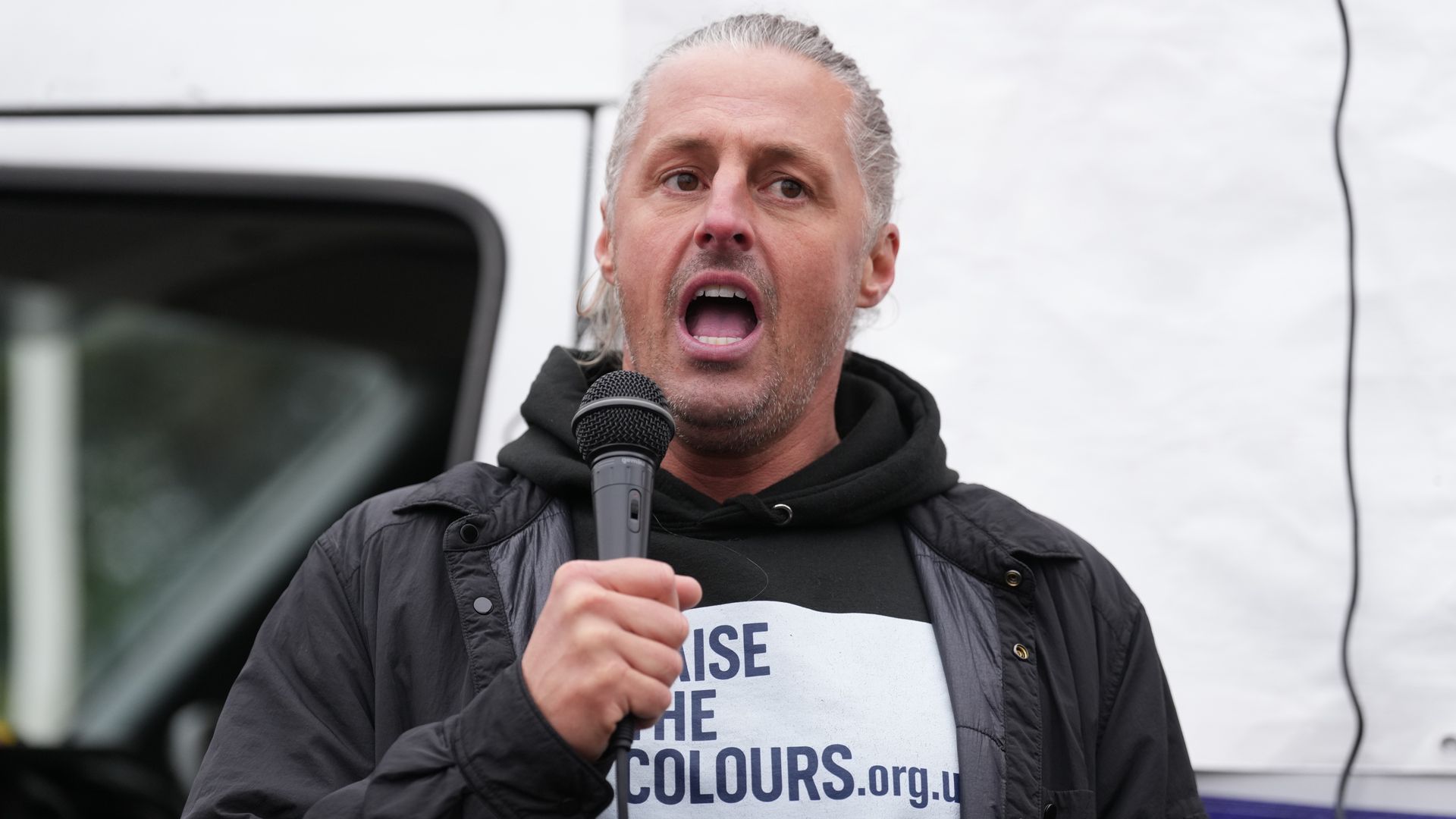
Ryan Bridge didn't expect his DIY street decorations to land him in a criminal courtroom facing fourteen separate charges. As the co-founder of "Raise the Colours," a group famous for strapping Union Jacks and St George's Cross flags onto lampposts and roundabouts across England, Bridge has suddenly shifted from grassroots organizer to defendant. Thames Valley Police confirmed that Bridge faces fourteen distinct offences stemming from a two-month window in Oxfordshire earlier this year.
The charges aren't just about unauthorized urban styling or ignoring local council planning rules. They include seven counts of using threatening words or behaviour to cause harassment, alarm or distress, three counts of using threatening or insulting behavior to provoke unlawful violence, multiple counts of racially aggravated intentional harassment, and a charge of common assault. For a campaign that pitched itself as a harmless celebration of patriotism and national unity, these developments mark a severe and aggressive escalation.
The Real Cost of Unauthorized Street Furniture Campaigns
Local councils have been quietly losing patience with these unsanctioned installations for months. Oxfordshire County Council secured a high court injunction to stop anyone from rigging flags onto public highways, citing clear risks to road safety, structural obstruction, and basic property trespass. Birmingham City Council quickly followed suit with similar legal measures. When you mount heavy flags and brackets onto high-speed roadway infrastructure without engineering sign-offs, you create a legitimate hazard for motorists and pedestrians alike.
Raise the Colours members argued they were simply waking up communities and bringing back civic pride. Critics saw something much darker from day one. Critics pointed out that the flag-raising movement often intersected with protests outside hotels housing asylum seekers, transforming neighborhood beautification projects into flashpoints of intimidation. Bridge's recent appearance at a political conference in Birmingham—where high-profile figures praised his efforts—only fueled a wider political polarization over how law enforcement treats populist street movements.
What Happens Next in Court
Bridge is scheduled to face Oxford Magistrates' Court to answer for the fourteen charges. Legal observers note that mounting a defense against racially aggravated public order offenses while simultaneously fighting municipal high court injunctions is an uphill battle. Councils are no longer issuing polite warnings or asking volunteers to take down unauthorized hardware. They are weaponizing civil injunctions that carry heavy penalties, including contempt of court charges and prison time for repeat violations.
If you are involved in local activist groups or community organizing, the takeaway here is brutally simple. Passion and popular political backing don't exempt anyone from property laws, highways acts, or criminal public order statutes. Crossing the line from lawful expression into threatening behavior or unauthorized tampering with public infrastructure brings immediate state consequences.
Stop treating public property like a blank canvas for unvetted political messaging. Check local bylaws, secure proper permits, and understand that courts are drawing a hard line against aggressive street tactics.