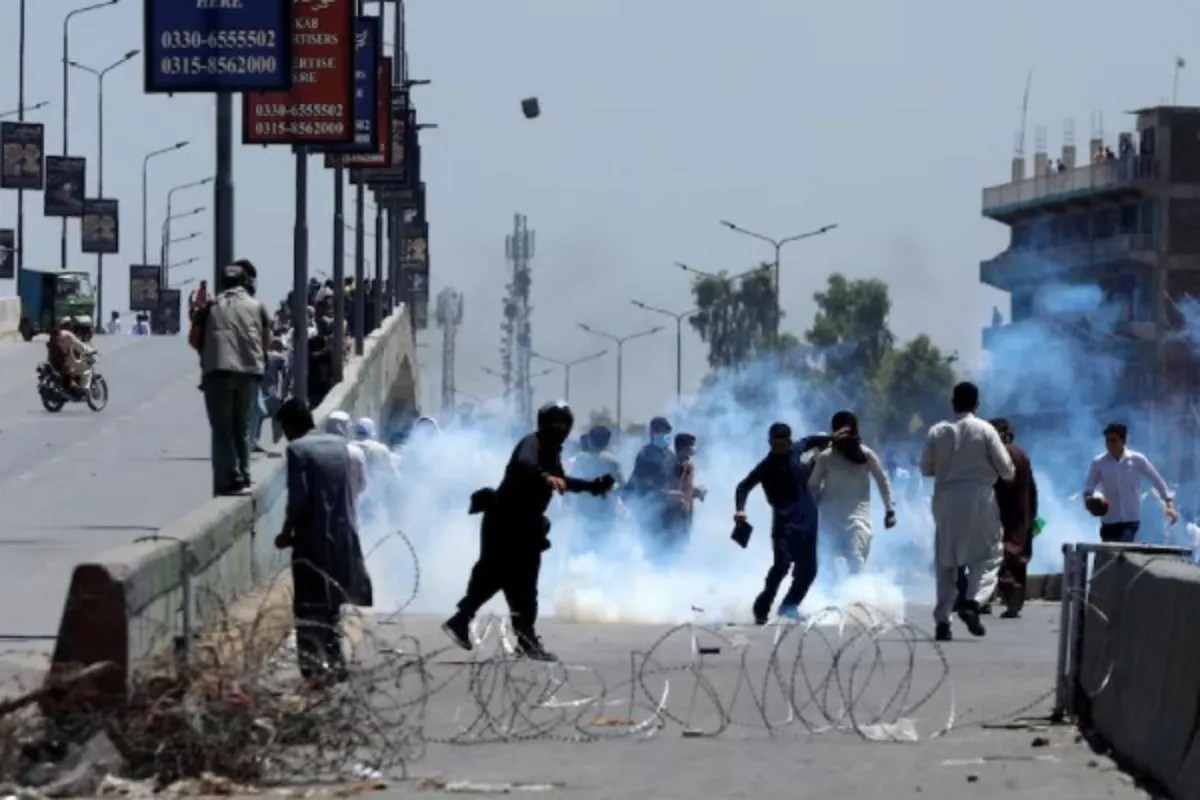
When security forces open fire on civilians marching for basic rights, it's no longer just a local dispute. It's a full-blown human rights crisis. Over forty people have reportedly lost their lives during a brutal military crackdown across Pakistan-occupied Jammu and Kashmir, plunging the region into unprecedented chaos.
If you've been trying to figure out why thousands are risking their lives on the streets, you need to look past the official press releases and examine decades of systemic economic exploitation, heavy-handed policing, and crushed political aspirations.
The Spark That Ignited the Streets
The current wave of anger didn't just happen overnight. It stems from a long-running agitation spearheaded by the Joint Awami Action Committee. Citizens initially took to the streets to protest crippling inflation, exorbitant electricity bills, and soaring unemployment.
Instead of addressing these core economic grievances, Islamabad chose force.
Authorities banned civic organizations, clamped down on public assemblies, and deployed thousands of security personnel ahead of local legislative votes. When demonstrators organized a long march from Rawalakot toward Muzaffarabad, security forces responded with live ammunition.
- The Toll: Dozens dead, hundreds injured, and a growing list of missing persons.
- The Response: School registrations revoked and civil society leaders branded as subversives.
- The Core Demand: Genuine political representation and an end to administrative abuse.
International Alarm and Ground Realities
The United Nations Human Rights Office has formally voiced concern over the deteriorating conditions in PoJK. Spoilers of free speech and peaceful assembly are on full display as the state attempts to silence dissent through intimidation.
Human rights bodies have urged international intervention, pointing out that criminalizing peaceful protesters violates core international conventions. Yet, Islamabad continues to double down, deploying heavy-handed tactics to suppress any voice demanding accountability.
What Most People Misunderstand About the Unrest
Many outside observers mistake these demonstrations for sudden bursts of political opportunism. They aren't. They represent decades of frustration boiling over. Local residents are tired of being treated as second-class subjects while resources are siphoned away.
When you strip away people's rights to vote fairly, speak freely, or afford basic electricity, resistance becomes the only option left. The civilian casualties in Rawalakot and other areas show a regime terrified of its own populace.
Keep a close eye on how international pressure builds in the coming weeks. The crisis in Pakistan-occupied Kashmir is far from over, and the local population has made it clear they won't back down easily.