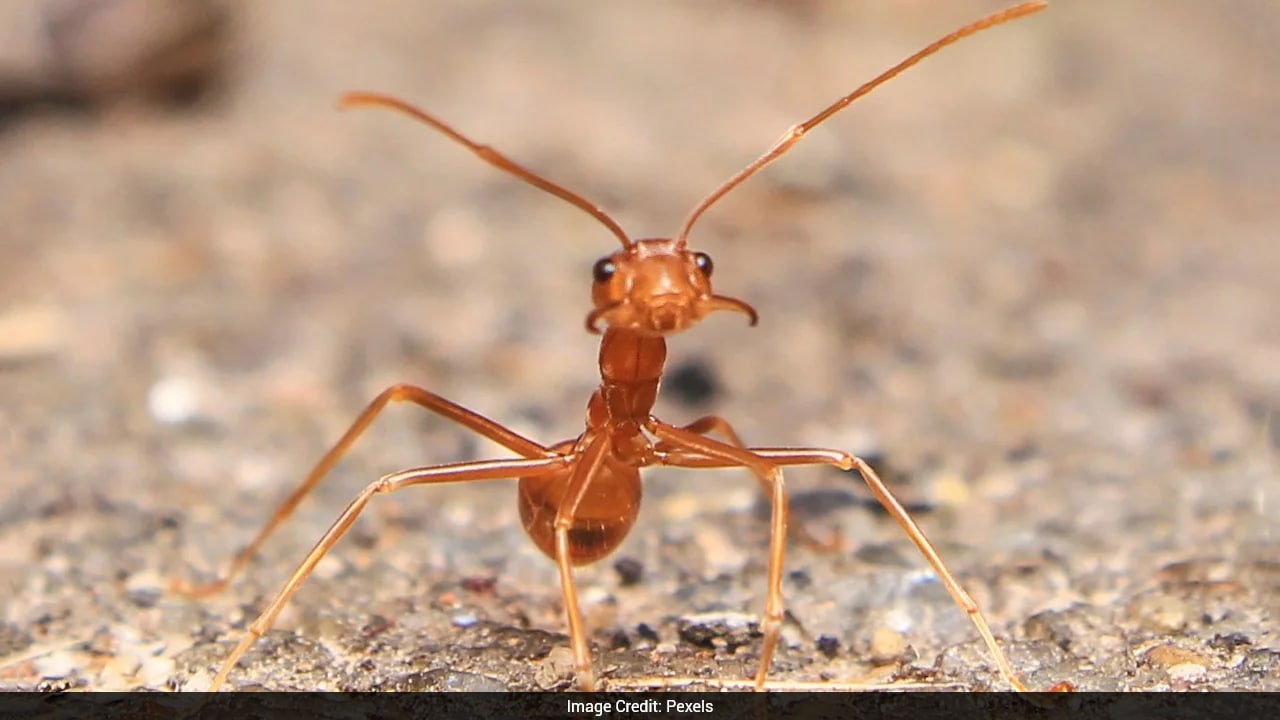
Wildlife crime usually conjures images of poached ivory, illegal exotic pet trafficking, or rare orchids stripped from tropical canopies. But criminals in England recently targeted something much smaller, stranger, and far more fragile. Someone walked into a protected south Devon nature reserve with a spade and dug up an entire living world.
A single nest containing up to five thousand rare narrow-headed ants vanished from the Chudleigh Knighton Heath nature reserve. Conservationists from the Devon Wildlife Trust discovered the gaping hole during a routine mid-October check. This wasn't casual vandalism. It was targeted, calculated, and frankly, baffling.
Why steal five thousand ants? The answer exposes a bizarre underground subculture, the fragility of modern conservation efforts, and the harsh realities of protecting England's last surviving insect populations.
The Last Bastion for a Rare Species
To understand why this theft matters, you need to look at what these insects represent. Narrow-headed ants once thrived across southern England's lowland heaths. Decades of agricultural expansion, urban development, and habitat fragmentation chipped away at their home until they vanished from almost everywhere.
Today, Chudleigh Knighton Heath is the absolute last place in England where you can find them. They are officially listed as near threatened on the International Union for Conservation of Nature's Red List and receive strict legal protection under Section 41 of English wildlife legislation.
When you lose a colony here, you aren't just losing insects. You are losing a irreplaceable piece of an extremely fragile ecosystem.
Anatomy of a Calculated Theft
This wasn't a crime of opportunity. Stephen Hussey from the Devon Wildlife Trust pointed out that the thief needed prior knowledge of ant colonies to pull this off.
You cannot simply stumble across these nests. They blend into the heathland floor. The perpetrator brought a spade, targeted a specific mapped colony, and carefully extracted the nest structure.
A mature narrow-headed ant nest is a complex society. It houses thousands of workers alongside one or more founding queens. These queens can live for up to twenty-five years. Julia Balfour, a species recovery officer working with the trust, noted that a single colony takes years of slow, meticulous growth to reach maturity.
Grabbing five thousand ants takes minutes, but replacing them takes decades of natural development.
The Underground Collector Market and Other Theories
Wildlife experts are left asking motives. Who steals thousands of ants?
Two primary theories float around the investigation. The first points to an illegal insect collector or a rogue private ant keeper. Exotic ant keeping has grown into a niche, highly secretive hobby online. Rare species command high prices among underground collectors who care little for conservation laws or local extinctions.
The second theory suggests someone might have attempted a misguided relocation effort. Conservationists occasionally move colonies to bolster populations or establish new habitats. However, doing so requires precise timing, environmental control, and extensive scientific preparation. Plucking a nest out of the ground with a shovel and moving it independently almost certainly guarantees the death of the colony. The delicate balance of temperature, humidity, and queen acceptance means amateur transplanting usually ends in total failure.
In short, whether driven by black-market greed or ecological ignorance, the thieves likely destroyed the very thing they stole.
The Legal and Ecological Fallout
Local authorities aren't treating this as a prank. Devon and Cornwall Police launched an active investigation through their rural affairs team.
PC Lucy Wyatt emphasized that Chudleigh Knighton Heath holds status as a site of special scientific interest. Disturbing, damaging, or removing material from these protected zones is a serious criminal offense. Rural crime teams now rely on public tips to track down whoever brought a spade to a protected sanctuary.
Meanwhile, conservation teams are left reviewing site security and questioning how to protect creatures that cannot run away, hide, or defend themselves against a shovel. When the rarest things in nature are locked behind nature reserves, the last line of defense shouldn't have to be a police lineup.
Keep your eyes open if you spend time near rural habitats. Protecting endangered wildlife means paying attention to the ground beneath your feet just as much as the animals in the trees.