You pack your bags, head to the port, and board a massive floating resort thinking about glaciers, open waters, and buffet lines. What you don't plan for is spending your hard-earned vacation locked in a tiny cabin toilet, gripping the walls while your stomach completely turns itself inside out.
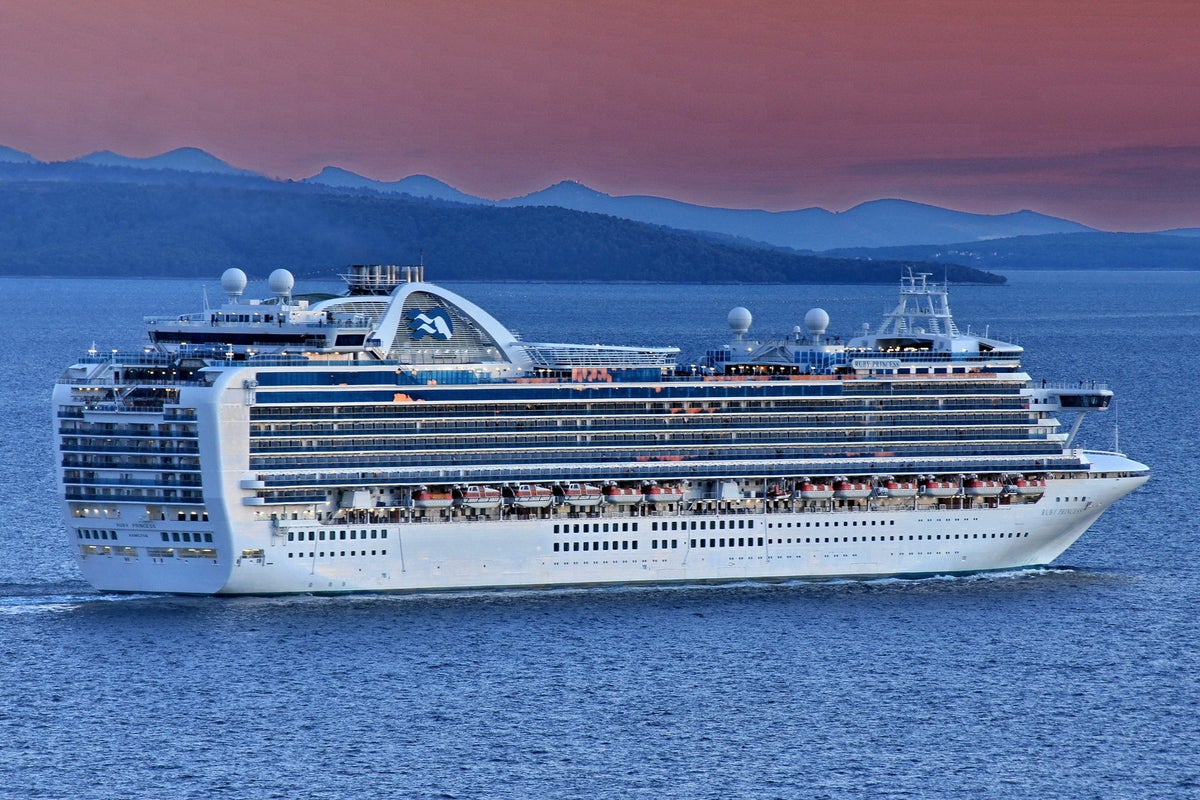
That's the reality for 125 people who just wrapped up a 20-day round-trip journey from San Francisco to Alaska and Canada. On July 2, 2026, the Ruby Princess docked back in California, carrying 102 passengers and 23 crew members who spent parts of their trip battling severe vomiting and diarrhea.
When you look at the raw numbers, 125 people out of 4,176 total souls on board might seem small. It's about 3% of the ship. But if you're one of those sick people, or if you're sharing a cabin with someone who can't stop throwing up, statistics don't matter. It sucks, plain and simple.
What Went Down on the Ruby Princess
The ship set sail back on June 12, 2026. According to the U.S. Centers for Disease Control and Prevention (CDC), the outbreak hit the agency's official tracking radar on June 28. It's the third time this year that a Princess Cruises ship has triggered a CDC gastrointestinal illness alert, putting the cruise line at the top of the chart for these incidents in 2026.
Earlier this year, the Caribbean Princess dealt with 160 sick travelers in May, and the Star Princess saw 153 people fall ill in March.
As soon as the cases spiked on the Ruby Princess, crew members had to shift into overdrive. They isolated the sick passengers in their cabins, ramped up deep cleaning, and collected stool samples to confirm what everyone already suspected. It was norovirus.
The interesting thing about this specific voyage is that passengers boarding the very next cruise on Thursday afternoon weren't even turning back. Many folks lined up at the pier, Lysol cans in hand, totally unfazed. They figures if the CDC and the cruise line say it's deep-cleaned and safe, they're going anyway because they've already spent thousands of dollars on the trip.
Why Cruise Ships are Perfect Storms for the Stomach Bug
Let's clear up a massive misconception. Cruise ships don't breed norovirus. They don't generate it out of thin air. The real issue is the environment itself.
Think about it. You're putting thousands of people from different places into a single floating steel box. You share dining rooms, handrails, elevator buttons, and casino chips. If one person brings the virus on board from land, it spreads like wildfire.
- The Virus is a Tank: Norovirus laughs at regular alcohol-based hand sanitizers. It can live on hard surfaces like plastic or metal for days, sometimes weeks.
- The Particle Problem: It takes fewer than 20 virus particles to make a healthy adult violently ill. A single sick person can shed billions of particles.
- Rapid Turnover: Cruise ships empty out and refill with thousands of new passengers in a matter of hours. Even a solid cleaning crew faces a race against the clock to sanitize every square inch before the next crowd walks through the door.
Interestingly, the CDC points out that cruise ship outbreaks actually make up only about 1% of all reported norovirus cases globally. Most outbreaks happen in land-based settings like nursing homes, schools, and hospitals. But when it happens at sea, it makes international news because you're trapped on a ship.
How to Protect Yourself When You're at Sea
If you have an upcoming cruise, don't panic and cancel your trip. You can actively avoid catching this bug if you stop relying on the wrong habits.
First, ditch the absolute reliance on hand sanitizer gel. Norovirus has a tough outer shell that alcohol gels don't easily destroy. The only real defense is physical removal. You need to use real soap and hot water, scrubbing your hands for a full 20 seconds. Do this every single time you use the bathroom, before you eat, and right after you touch high-traffic surfaces like elevator buttons or buffet tongs.
Second, avoid the self-serve buffet lines if the ship allows it. Use the crew-served stations where staff members handle the utensils.
If you start feeling sick, don't try to hide it to avoid getting quarantined in your room. Go straight to the ship's medical center. Hiding your symptoms just ensures the virus spreads to more people, and frankly, it ruins the trip for everyone else around you.
Pack a small bottle of bleach-based wipes in your carry-on bag. When you first walk into your cabin, wipe down the TV remote, the doorknobs, the bathroom faucets, and the phone. It takes two minutes and gives you an actual layer of protection that the standard cleaning crew might have missed in the rush of embarkation day.
Now check your packing list, swap out your standard hand gel for heavy-duty soap, and keep your hands away from your face while walking the decks.