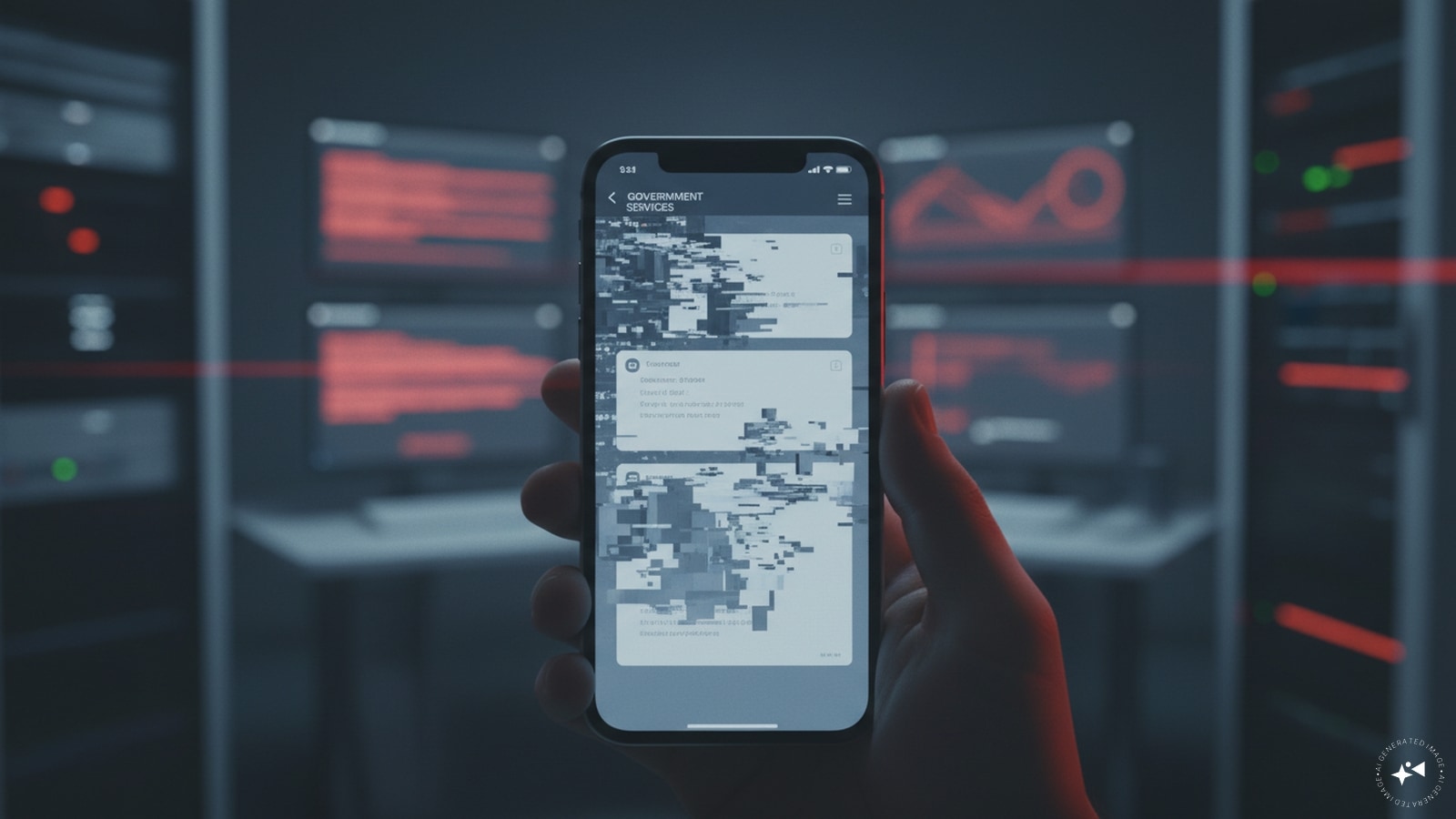
When a government's crisis communication tool turns against it, panic spreads faster than any malware. Early on Monday, Russia's Ministry of Emergency Situations confirmed that its official mobile application suffered a massive cyberattack. According to state news agency TASS, unauthorized intruders seized control of the platform to blast fabricated emergency notifications directly to users' phones.
If you've been watching digital infrastructure vulnerabilities pile up, this incident isn't just another routine hack. It highlights a terrifying new frontier in modern conflict where the software meant to keep citizens safe becomes the primary vector for psychological disruption.
Inside the Russian Emergencies Ministry App Breach
The Russian emergency application is designed to deliver critical public safety warnings, including incoming drone threats, severe weather alerts, and other localized dangers. During the cyberattack, users across targeted regions suddenly received startling false alerts—including fabricated warnings of a nuclear threat—urging panic, food stockpiling, and immediate shelter.
The Ministry of Emergency Situations moved quickly to contain the fallout. Officials issued statements via their Telegram channel emphasizing that the mobile application serves as an ancillary, secondary news service. They stressed that the core public alert infrastructure—which includes traditional sirens, loudspeakers, text message broadcasts, and television or radio feeds—remained fully functional and unaffected by the digital intrusion.
Even so, the psychological impact of seeing a trusted state security app display catastrophic warnings cannot be overstated. Technical teams scrambled to patch vulnerabilities, purge unauthorized data, and restore standard platform operations.
A Tit-for-Tat Digital Offensive
This digital assault didn't happen in a vacuum. It unfolded almost simultaneously with a remarkably similar cyber incident across the border. Just hours before the Russian app went dark, Ukraine reported that its own official "Air Raid Alert" application had also been compromised by hackers.
That breach pushed out baseless warnings regarding radiation and chemical weapon risks, forcing Ukrainian authorities to manually correct the record and urge citizens to rely on municipal channels like Kyiv Digital and street-level sirens. Because these mutual disruptions coincided with the conclusion of a localized humanitarian ceasefire, cybersecurity analysts view the events as a coordinated exchange of cyber warfare blows targeting civilian morale.
Why Public Safety Apps Are Vulnerable
Mobile alert systems present a unique administrative nightmare for developers and security architects. To be effective, these platforms require wide-reaching notification permissions, direct gateway access to push-notification servers, and the ability to bypass standard user quiet hours or do-not-disturb settings.
When bad actors compromise administrative credentials or exploit server-side API vulnerabilities, they inherit those exact high-privilege pathways.
- Centralized Control Points: Many state-run utility apps rely on centralized backend servers. If a single administrative token leaks, the entire network falls.
- Third-Party Integrations: Push notification distribution often depends on external cloud services or messaging APIs, introducing hidden supply-chain risks.
- Rapid Deployment Pressures: In active conflict zones, software updates are pushed rapidly to fix functional bugs, sometimes bypassing rigorous penetration testing.
Protecting Information Integrity During Crises
Incidents like these expose the dangerous fragility of relying solely on smartphones for survival information. When digital channels fail or get hijacked, communities lose their anchor of truth.
If you manage digital communications or rely on mobile warnings, keep these practical takeaways in mind:
- Diversify Your Information Sources: Never depend on a single app for critical safety updates. Cross-reference notifications with traditional analog systems like local radio broadcasts or physical sirens.
- Verify Through Official Channels: If a push notification sounds wildly disproportionate or catastrophic—such as a sudden unverified nuclear warning—check official government web portals or verified messenger channels before panicking.
- Audit Backend Security: For developers building civic infrastructure, zero-trust architecture, multi-factor authentication for administrative dashboards, and strict endpoint monitoring are non-negotiable requirements.
The line between physical safety and cybersecurity has completely dissolved. Securing the app is just as vital as securing the border.