Imagine watching every single item in your refrigerator spoil over the course of a single weekend because the power has been cut for the fourth consecutive day. That is the reality for millions of people across Cuba right now. When the National Electric System fails, it doesn't just mean a minor inconvenience or a flickered light bulb. It triggers a total breakdown of modern life where water pumps stop working, public transportation vanishes, and entire cities are plunged into absolute darkness.
The Cuban energy crisis has escalated far beyond rolling blackouts. Large portions of the island now routinely face stretches where electricity is available for only two or three hours a day—if they are lucky. State-run thermoelectric plants, many built during the Soviet era using technology that is four decades old, are breaking down faster than repair crews can patch them together. Without consistent spare parts or foreign currency to buy them on open markets, the state utility Unión Eléctrica finds itself fighting a losing battle against complete obsolescence.
The Fuel Shortage Bottleneck
At the heart of this collapse is a severe lack of fuel. Cuba depends heavily on imported oil to fire its massive power generating stations. When external shipments dry up due to tightened economic sanctions, shifting geopolitical alliances, and shrinking credit lines, the thermal plants simply starve. Domestic crude oil is notoriously heavy and high in sulfur, which wreaks havoc on aging boiler pipes and accelerates technical failures.
When key facilities like the Antonio Guiteras power plant in Matanzas suffer boiler leaks or emergency shutdowns, the shockwaves ripple across the entire country. The grid loses synchronization, tripping circuit breakers from Pinar del Río down to Santiago de Cuba. Total national blackouts have shifted from rare worst-case scenarios into recurring systemic events.
How Families Adapt to Endless Darkness
Living without reliable electricity rewrites the rules of daily survival. Families learn to cook meals on makeshift charcoal stoves or burn whatever dry material they can find when cooking gas disappears alongside the power. Refrigeration is a luxury of the past, meaning grocery shopping becomes a daily, exhausting hunt for whatever perishable food items happen to be available locally.
Nighttime brings an entirely different set of challenges. Urban streets lack streetlights, turning neighborhoods pitch black and raising safety concerns. Mosquitoes swarm humid, unairconditioned homes where windows must stay open for airflow. Children try to complete schoolwork by the faint glow of a mobile phone screen—provided the owner has managed to charge it during a brief two-hour burst of grid power earlier in the day.
The Ripple Effect on Healthcare and Communication
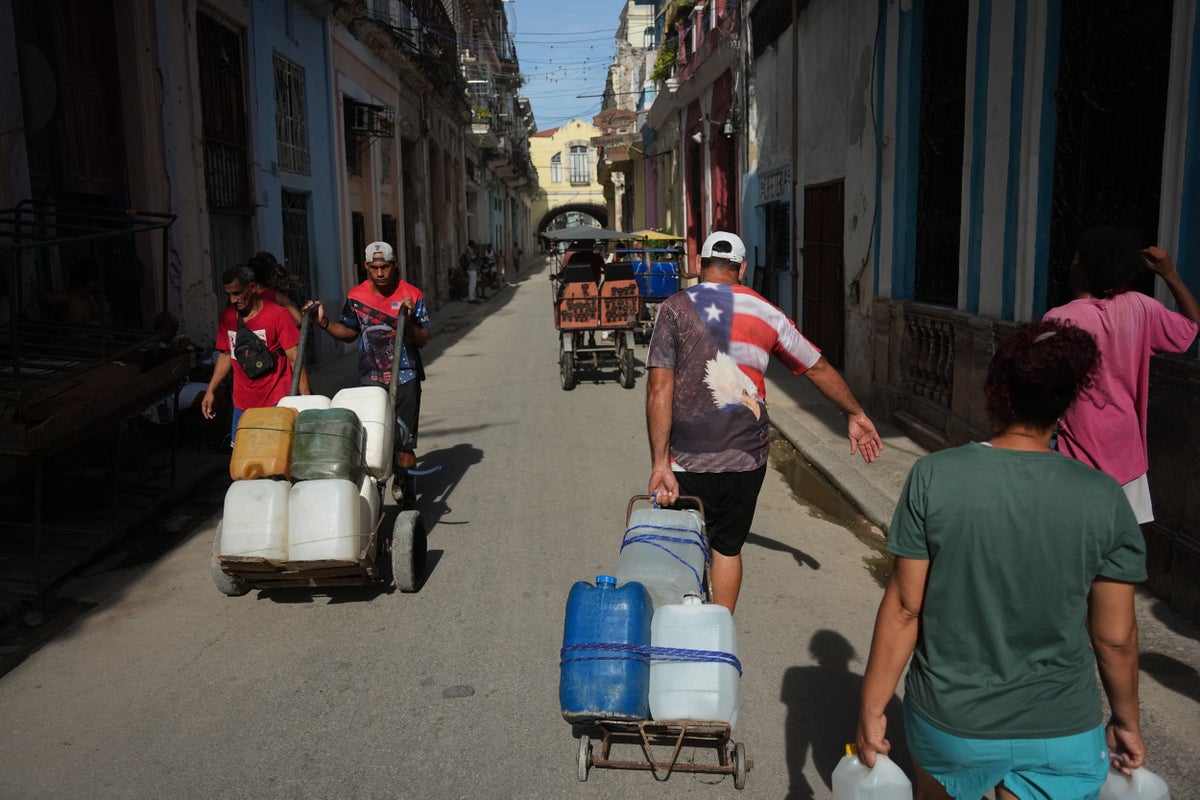
The crisis extends deep into public infrastructure. Hospitals have had to postpone non-emergency surgeries and rely on emergency diesel generators that are equally vulnerable to fuel shortages. Water distribution systems grind to a halt because electric pumps cannot pull water from municipal reservoirs without steady current.
Independent journalists and small businesses face parallel struggles. Telecommunications towers operated by the state monopoly Etecsa frequently lack backup batteries, cutting off internet access right alongside the power. Reporters describe a double isolation where they cannot reach sources in the provinces, update their digital publications, or even verify basic information because institutional offices are paralyzed by the blackouts.
What Needs to Happen Next
Fixing a crippled national grid requires massive capital injection, structural overhauls, and years of sustained technical work. Experts estimate that recapitalizing Cuba's energy sector would cost billions of dollars and require deep cooperation that remains politically out of reach. While the government has looked toward expanding solar park installations and leasing temporary floating power generators, these stopgap measures barely scratch the surface of a multi-gigawatt deficit.
Until a stable fuel supply and long-term infrastructure investments materialize, millions of Cubans will continue living on the edge of darkness, managing their lives around small, unpredictable bursts of electricity.