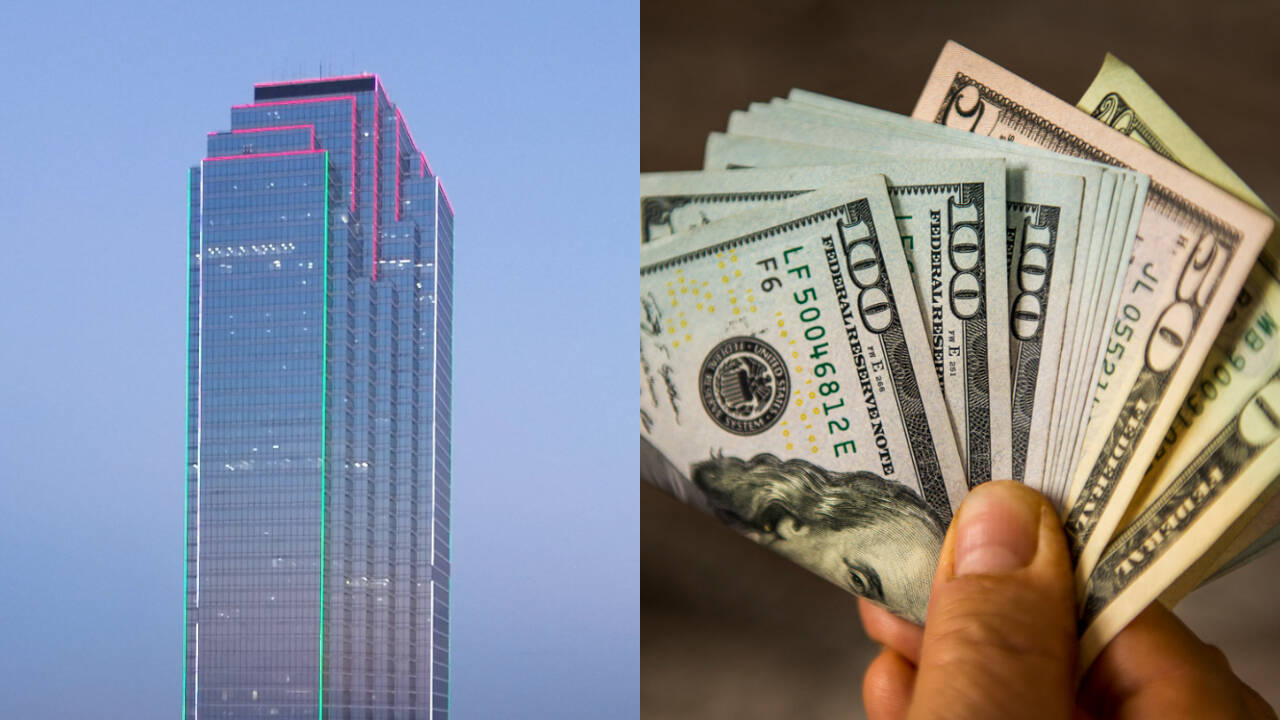
Downtown Dallas commercial real estate is undergoing a massive reality check, and the city just blinked. Developers trying to rescue the iconic 72-story Bank of America Plaza scored a crucial extension from the Dallas City Council, pushing their deadline to buy the skyscraper and secure a staggering $103 million in public subsidies out to July 30, 2027.
If you've been watching office towers struggle across major American cities, this high-stakes rescue mission isn't just about one building. It's a bellwether for what happens when a city tries to reinvent its skyline before the old tenant leaves for good.
The Anatomy of a $409 Million Bet
The math behind this massive overhaul is staggering. Developers Mike Hoque and Mike Ablon, operating under 901 Main PAHG Partners LLC, originally agreed to purchase the iconic green-lit monolith from Metropolis Investment Holdings. The price tag for the acquisition alone clears $165 million, but that is just the warm-up act.
The total transformation carries a $409 million price tag designed to drag the aging office colossus into a mixed-use future. Right now, the building houses roughly 1.8 million square feet of office space. That footprint is going to shrink to about 1.5 million square feet. The leftover square footage isn't going to waste.
Instead, the team plans to inject 275 luxury hotel rooms into the tower, targeting a high-end four-star standard. A brand-new glass-and-steel structure will anchor the hotel lobby and ballroom, while a massive 1,115-space parking garage will replace a surface lot across the street, linked to the tower via a new Main Street skybridge.
At the very top, the 69th floor will ditch traditional cubicles for a destination restaurant and observation deck. It's a bold gamble to turn a corporate fortress into a playground for tourists and locals alike.
Why the City Kept the Money on the Table
Real estate deals of this magnitude rarely run on time. The original closing deadline was breathing down their necks, and the complexity of negotiating public-private agreements alongside massive private financing made the initial timeline unrealistic.
Rather than letting the deal collapse, the Dallas City Council agreed to hold onto the $103 million public financing package approved last October through the Downtown Connection Tax Increment Financing district.
Critics might argue that giving developers extra time rewards sluggishness. Proponents counter that letting a 72-story tower rot in a changing downtown core is a far worse fate. The development team has already poured roughly $4 million into design work and insists they have locked down a capital partner and financing. Yet, the lack of disclosed financial partners leaves many market watchers quietly skeptical about how easily those funds will flow in a tightening lending environment.
The Shifting Sands of Downtown Dallas
Timing is everything in real estate, and this project is colliding head-on with a massive reshuffling of downtown Dallas. Bank of America, the tower's namesake and long-standing anchor tenant, is packing its bags. They're heading to the brand-new Bank of America Tower at Parkside near Klyde Warren Park.
That departure leaves a gaping hole that office leasing alone cannot fill. Meanwhile, the retail landscape along Main Street is convulsing. Historic anchors like Neiman Marcus are preparing to shutter their century-old flagship stores, and AT&T is shifting its corporate headquarters footprint.
Older office towers across the city, such as 2100 Ross, have already exposed the brutal financial realities of repositioning aging commercial assets. Converting offices to residential or mixed-use space sounds great on paper, but construction costs, structural constraints, and shifting tenant demands make it a financial tightrope walk.
What Comes Next for the Skyline
For Hoque and Ablon, this is the steepest hill of their careers. Past municipal projects involving Hoque in Fort Worth and Mansfield hit dead ends over missed deadlines, meaning the stakes for this Dallas gamble couldn't be higher.
The clock is ticking toward the new July 30, 2027 closing deadline. If the developers pull it off, the grand opening could align with the massive redevelopment of the Kay Bailey Hutchison Convention Center, injecting fresh foot traffic into the western edge of downtown.
Review your portfolio exposure and keep a close eye on the financing milestones over the next twelve months. If the capital partners flake before July, downtown Dallas will face a reckoning it cannot easily patch over.