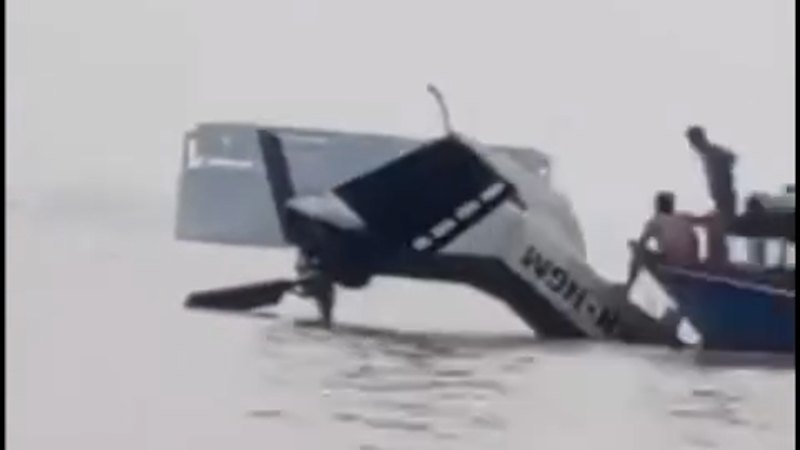
Flying low over a smoky, debris-choked river with thousands of liters of water swinging beneath you is basically a high-stakes gamble every single minute. When things go wrong, they go wrong instantly. That harsh truth hit home brutally on Sunday, November 8, 2026, when an Australian-registered water-bombing helicopter went down in the Barito River in South Kalimantan.
The incident isn't just an isolated aviation accident. It's a glaring window into the brutal physical toll and extreme operational hazards of fighting Indonesia's relentless wildfire crisis from the air.
What Happened on the Barito River
Sunday afternoon started like any other grueling shift for the flight crew battling massive blazes across Borneo. The aircraft, operating under disaster mitigation contracts, was executing a routine water-scooping run. Witnesses and amateur video footage captured the horrifying sequence as the chopper dropped low to fill its bambi bucket from the river.
Instead of lifting cleanly back into the smoke-filled sky, the helicopter appeared to snag or lose control during the maneuver. It was dragged downward, fighting physics and river currents, before plunging nose-first into the water.
The aftermath brought mixed relief and ongoing anguish. Two Australian nationals on board survived the crash and were pulled to safety, bruised and shaken but alive. However, an Indonesian crew member remained missing, sparking an urgent, desperate search and rescue operation along the murky riverbanks.
This disaster didn't happen in a vacuum. Just days earlier, on Wednesday, November 4, an Indonesian military helicopter crashed during a separate firefighting mission in Central Kalimantan's Tanjung Puting National Park, killing crew members and underscoring how dangerous these skies have become.
The Climate Pressure Cooker Driving the Blazes
To understand why pilots are pushing aircraft to the absolute edge, you have to look at the ground. Indonesia has been battling catastrophic wildfires for months, burning through more than 1.9 million hectares across Sumatra, Borneo, and Papua. Thick, toxic haze has drifted across borders, choking cities in Malaysia, Singapore, and East Timor.
This isn't ordinary seasonal burning. A severe El Nino weather phenomenon has locked the region into a brutal, prolonged drought. Dried-out peatlands burn underground for weeks, defying ground crews. Governments and disaster agencies have no choice but to rely heavily on aerial fleets.
Contracted commercial operators and military aviation units fly relentless sorties day after day. Pilots face soaring temperatures, blinding smoke, shifting winds, and mechanical fatigue. When you fly dozens of demanding river-scooping missions in tropical humidity, the margin for error shrinks to zero.
The Physics and Perils of Water Scooping
Water-bombing looks heroic on camera, but the mechanics behind it are punishing. Scooping water from narrow rivers using a suspended bucket requires surgical precision.
Think about the physics. A helicopter hovers or moves at low speed while dropping a suspended load. The moment the bucket fills, hundreds of kilograms of water add instant, dead weight beneath the airframe. If the pilot encounters sudden wind shear off the treeline, river turbulence, or engine hesitation, recovering control is brutally difficult.
Helicopters like the Eurocopter Super Puma models deployed in these operations are heavy workhorses. Yet, even advanced turbine engines struggle when sucking in hot, smoke-dense air laced with ash. Visibility drops to near-zero as soon as the rotorwash hits the ash banks along the river. Pilots fly mostly by instinct, instrument scans, and raw grit.
The Human Cost Behind the Headlines
Behind every registry number and bureaucratic disaster agency press release are real aviators making split-second calls. The survival of the two Australian pilots is a testament to quick reactions and local rescue efforts, but the ongoing search for the missing crew member highlights the heavy toll paid by multinational crews working side-by-side in foreign skies.
Indonesia's reliance on foreign-registered aircraft and international pilots reflects a globalized firefighting industry where specialized heavy-lift helicopters travel wherever disasters flare up. These pilots leave home to chase seasonal firestorms across hemispheres, swapping Australian bushfires for Indonesian peatland infernos.
What Needs to Change in Regional Aerial Safety
Accidents like the one on the Barito River force a hard conversation about safety protocols during prolonged climate emergencies. Governments cannot simply throw more aircraft at seasonal fires without reassessing operational limits.
Enforcing stricter rest periods for flight crews, upgrading real-time river hazard mapping, and improving coordination between military and civilian contractors are absolute necessities. When the air is thick enough to chew and ground temperatures break records, pushing aging or overworked airframes into risky riverbeds is a gamble nobody should be forced to take.
The fires across Borneo will eventually recede when the rains finally return. Until then, the men and women strapping into cockpits above the smoke will keep flying into the danger zone, hoping the next scoop doesn't turn into their last.


