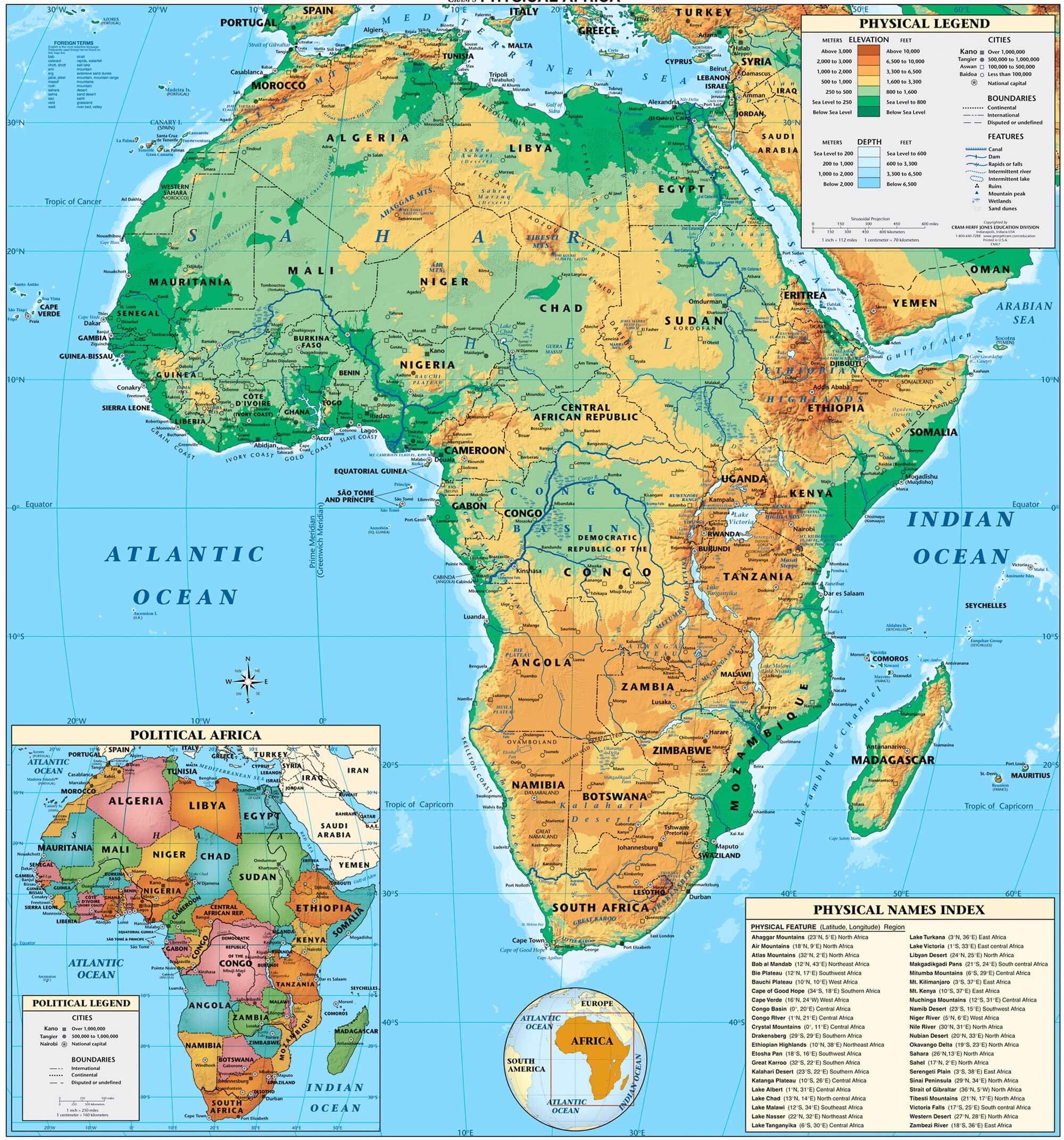
African industrial giant Aliko Dangote isn't waiting around for traditional Western energy markets to solve the continent's chronic fuel distribution bottlenecks. Alongside Namibian President Netumbo Nandi-Ndaitwah, Dangote officially broke ground on a massive $2.5 billion fuel storage and pipeline project at Walvis Bay. This isn't just another corporate PR stunt. It's a calculated chess move to secure fuel independence and redraw the energy logistics map across Southern Africa.
If you've ever looked at how fuel moves across landlocked African nations, you know it's a logistical nightmare. Trucks crawling across thousands of kilometers of bad roads, exorbitant transit markups, and constant supply shocks dictate pricing at the pump. Dangote's new venture aims to slice right through those inefficiencies by building infrastructure that actually makes sense. Meanwhile, you can find related stories here: Why Mainland Chinese Firms Are Betting Everything On Hong Kong To Go Global.
What the Walvis Bay Project Actually Involves
Located at Farm 58, roughly 10 kilometers east of Walvis Bay, the scale of this development is massive. The blueprint maps out a staggering 600 million-liter storage capacity facility—split cleanly into 360 million liters of diesel and 240 million liters of petrol.
To move that volume efficiently, the project includes a 16-kilometer pipeline connecting the primary storage terminal directly to the port's fuel jetty. Massive oil tankers will offload product straight into the terminal tanks without relying on congested local port trucking bottlenecks. To explore the complete picture, check out the excellent article by CNBC.
Construction is slated to move fast, with an estimated timeline of 18 to 20 months to complete the primary storage phase. But the real ambition lies beyond the coast.
The 1,700-Kilometer Regional Pipeline Vision
Storage at the coast is only half the battle. The grand vision—currently in the proposed pipeline planning phase—stretches roughly 1,700 kilometers inland.
Think about what that means for landlocked economies in the region. Connections extending toward Botswana, Zimbabwe, and Zambia would transform Namibia from a quiet Atlantic coastal nation into a powerhouse energy corridor. Instead of relying on fragile, expensive overland trucking routes from distant ports, these nations could tap directly into a stable, high-volume pipeline network.
Energy security has been a fragile topic for years. When global supply chains stutter or refining capacities glitch, African nations usually bear the brunt of hyper-inflated fuel import costs. By anchoring supply directly on the continent through massive strategic reserves, large-scale players are creating local buffers against external shocks.
Why Namibia Makes Strategic Sense Right Now
Namibia isn't chosen at random. The country has steadily emerged as one of the most exciting energy exploration frontiers on the globe, thanks to massive offshore oil discoveries over the last few years. Pairing offshore upstream discoveries with world-class downstream logistics and storage infrastructure creates a self-sustaining ecosystem.
President Netumbo Nandi-Ndaitwah’s administration understands that attracting heavy private sector investment is the only way to fast-track industrialization. Bureaucracy kills projects before they break ground, but this partnership moved with surprising speed.
Critics often question whether multi-billion-dollar infrastructure timelines will hold up under economic pressure. Regional pipelines face complex cross-border regulatory hurdles, funding syndication, and environmental red tape. Yet, Dangote's track record with massive industrial execution—most notably the mega-refinery complex in Nigeria—proves he knows how to drag colossal projects across the finish line despite skepticism.
What This Means for Southern African Markets
For everyday businesses and transport operators across Southern Africa, reliable fuel infrastructure translates directly to lower operating overhead. Supply chain reliability removes the panic pricing that happens whenever a tanker gets delayed or regional borders lock up.
Local contractors, engineering firms, and logistics providers in Namibia are already positioning themselves to catch the spillover effects. Building a $2.5 billion hub requires an army of skilled labor, maintenance contracts, and ancillary services that will stimulate Walvis Bay's local economy for years.
Keep a close eye on how the financing and construction milestones roll out over the next 18 months. If this 1.6 million-barrel storage farm and its accompanying corridors come online on schedule, it won't just change Namibia's economic footprint. It will permanently alter how fuel flows through the heart of the continent.


