You think of Muay Thai camps as places of discipline, grit, and self-defense. You don't think of them as fronts for child exploitation.
A high-profile raid in Thailand's Rayong province just shattered that positive image, exposing how vulnerable young athletes can be systematically targeted under the guise of mentorship.
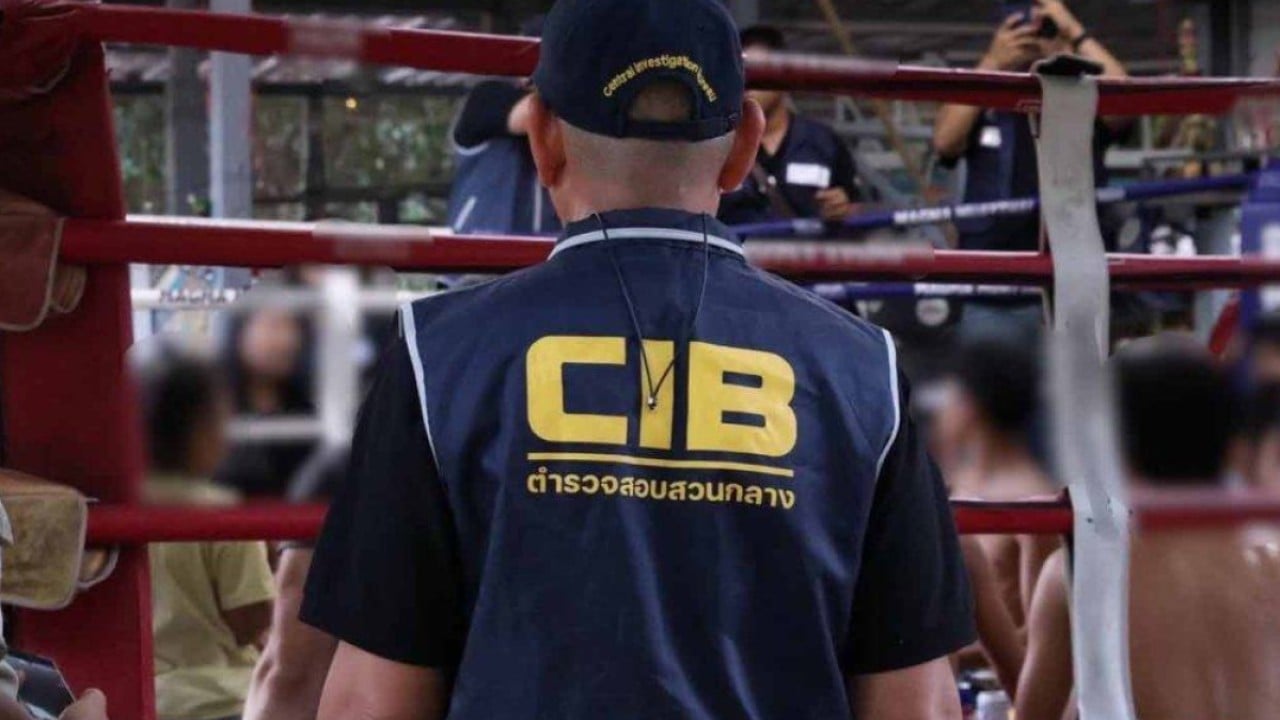
On July 7, 2026, Thailand's Central Investigation Bureau (CIB) executed a targeted sting operation. Undercover officers posed as clients looking to buy sex from children. The operation ended with the arrest of a 28-year-old camp manager and the rescue of 12 minors.
This case isn't just a shocking local headline. It reveals a terrifying, systemic reality: how predators use sports and "troubled youth" narratives to hide their crimes in plain sight.
Inside the Rayong Raid
The suspect, identified by police as Narubet, operated a day camp training roughly 30 young people in Rayong, a coastal province southeast of Bangkok.
He wasn't just teaching kicks and clinches. He was actively pimping out his students.
Undercover officers contacted Narubet to arrange meetings with three boys, ages 13, 15, and 16. The manager agreed, setting a price of 3,000 baht (about $85 USD) per child. He took a third of that fee as a direct commission.
The bust happened fast. Officers arrested Narubet at a separate location. Facing overwhelming evidence, he admitted to charges of trafficking minors under 18 for sexual exploitation and soliciting sexual services.
The physical camp was raided immediately after, and police took 12 children into state protection. But the arrest of the manager is only the tip of the iceberg.
The Foreign Funding and the Silent Compliance
This wasn't a solo operation. Investigators are actively hunting for a Norwegian national, known only as "Mr. Kim," who allegedly funded the camp.
According to victim interviews conducted by Thai police, Kim allegedly used his financial sponsorship to buy access. He allegedly provided amenities and funding for the camp in direct exchange for sexual services from the boys. A local secretary assisting the Norwegian sponsor is also being sought by authorities.
The most heartbreaking detail of this case? Some of the children's parents knew exactly what was happening.
They simply chose not to intervene.
When questioned, Narubet tried to justify his actions using a classic predator script: he claimed the boys had "behavioral problems" and came from "broken families". This is a calculated tactic. By framing the victims as "difficult" or "abandoned," abusers convince themselves—and sometimes the surrounding community—that they are actually doing these kids a favor by giving them a place to stay and train.
Why Sports Camps Are the Perfect Front for Predators
Muay Thai is deeply woven into the cultural fabric of Thailand. For children from impoverished or unstable backgrounds, joining a gym isn't just about sport. It's a survival strategy. It offers housing, meals, a surrogate family, and a path to financial stability.
But this structure creates an extreme power imbalance:
- Absolute Authority: Trainers and managers act as guardians. Children are taught never to question their authority.
- Isolation: Kids often live on-site, away from their families, making them entirely dependent on the camp owner for basic needs.
- Normalized Physical Pain: In combat sports, pushing past pain and physical discomfort is normalized, which can make it harder for young victims to recognize and report physical or sexual boundary violations.
When predatory managers control the food, shelter, and future of a child, "consent" becomes completely meaningless.
The Legal Consequences and What Happens Next
Under Thai law, human trafficking of minors is met with severe penalties. Those convicted face up to 15 years in prison for each individual offense, with sentences compounding for every child involved. Narubet is looking at decades behind bars if fully prosecuted.
For the 12 rescued children, the road ahead is incredibly difficult. They have been moved to state-run shelters where they will receive medical, psychological, and legal support. Rebuilding trust after being betrayed by their coach and, in some cases, their own parents, will take years.
If you want to support legitimate organizations working on the ground in Thailand to fight child trafficking and protect vulnerable youth, consider looking into established non-profits:
- The anti-trafficking NGOs: Groups like Destiny Rescue and the Freedom Story work directly in Thailand to rescue minors and provide long-term trauma care.
- Support ethical gyms: If you train or sponsor Muay Thai, verify the gyms you support. Ethical camps are transparent, encourage parental involvement, and prioritize education alongside athletic training.