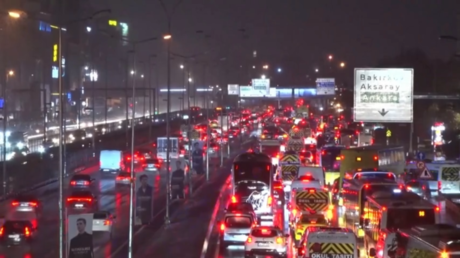
Water does not care about your real estate values. When over 270 millimeters of rain dumps onto a metropolis in a matter of hours, physics takes over. That is exactly what happened when deadly floods struck Istanbul, turning major thoroughfares into raging rivers, trapping commuters, and leaving at least three people dead.
Governor Davut Gul called it the heaviest rainfall in 84 years. But blaming the weather alone ignores the real culprit. This disaster was years in the making.
The Anatomy of a Megacity Crisis
When the storm hit overnight, it did not discriminate between the European and Asian sides of the city. Residential neighborhoods in districts like Sarıyer and Kağıthane transformed into aquatic obstacle courses. Vehicles floated away like bath toys. Torrential surges cascaded over buildings, overwhelming drainage systems that simply were not built to handle modern weather extremes.
Let's look at the numbers. Turkey's Interior Ministry reported over 2,700 stranded individuals evacuated across the province. Dotted across the landscape, 43 flights faced diversion at Istanbul Airport, while Sabiha Gokcen Airport temporarily halted operations. Schools across six provinces closed their doors. Motorcycles and scooters faced outright bans on slick, dangerous streets.
Yet, the most jarring detail involved a tanker carrying liquefied natural gas running aground near the Bosphorus Strait. When shipping lanes and aviation hubs shut down simultaneously, you realize this storm paralyzed an entire national economy, not just local streets.
Why Istanbul Keeps Drowning
If you walk through Istanbul's rapid urban expansions over the last three decades, you will spot the underlying flaw. Builders paved over natural valleys, historic streambeds, and green absorbent spaces. Water follows ancient drainage paths whether concrete covers them or not.
When you build densely packed residential blocks directly over old waterways, you create an urban trap. The system works fine during a light drizzle. Once an 84-year storm hits, those subterranean paths reclaim their territory with a vengeance.
Human toll followed quickly. A 14-year-old boy lost his life after stepping into an energized, flooded puddle in Fatih. A 34-year-old man suffered fatal head injuries trying to navigate rushing waters in Sarıyer. These tragedies highlight how ordinary urban routines turn deadly in seconds when infrastructure fails.
The Broader Reality of Extreme Weather
Cities worldwide face a brutal reckoning with climate volatility. Aging infrastructure designed for the twentieth century cannot cope with torrential downpours fueled by warming atmospheres. Istanbul is far from alone, but its unique geography spanning two continents and bisected by a vital maritime strait magnifies every shock.
Emergency crews are still clearing debris and pumping basements. However, patching roads and clearing mud will not stop the next storm. Municipal leaders face hard choices about zoning laws, watershed restoration, and retrofitting drainage systems.
Stop pretending these events are anomalies. They are the new baseline. Until urban planners respect the power of water, cities will keep paying for it in property, commerce, and human lives.
_Carrier_Strike_Group_formation_sails_in_the_Atlantic_Ocean.jpg/1280px-US_Navy_031130-N-3653A-002_USS_George_Washington_(CVN_73)_Carrier_Strike_Group_formation_sails_in_the_Atlantic_Ocean.jpg)

