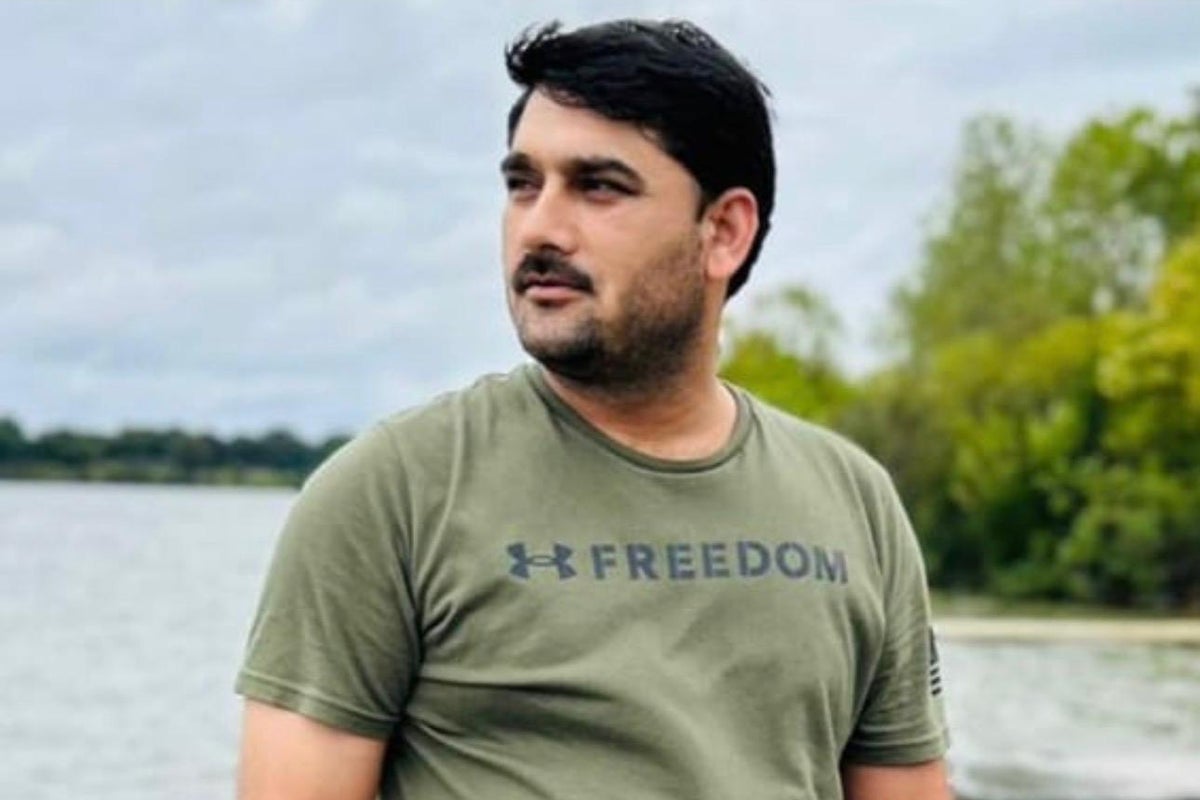
Mohammad Nazeer Paktiawal survived a decade fighting alongside U.S. Army Special Forces in the most volatile corners of Afghanistan. He survived the chaotic 2021 evacuation of Kabul. He could not survive 24 hours in the custody of U.S. Immigration and Customs Enforcement.
Recently released medical records reveal that Paktiawal died from a severe allergic reaction on March 14, just one day after ICE agents detained him outside his Texas home. He was 41. His death certificate lists the cause of death as anaphylaxis complicating acute asthma exacerbation, a sudden emergency sparked by an adverse drug reaction to an unidentified substance. Dallas County medical examiners officially ruled his death an accident.
But for his family, advocacy groups, and members of Congress, that official label raises far more questions than it answers. Out of more than 50 immigration detention deaths recorded during the current presidential administration, Paktiawal’s is the very first to be ruled accidental. The others were chalked up to natural causes or suicide. The bizarre circumstances surrounding his final hours have triggered fierce demands for transparency and allegations of a bureaucratic cover-up.
The Broken Promises of Resettlement
Paktiawal was not a border crosser who evaded detection. He entered the United States legally as part of the massive military evacuation when Kabul fell to the Taliban in 2021. Like thousands of other Afghan allies who risked their lives to protect American troops, he sought safety under a legal humanitarian framework and filed an asylum application to secure his family’s long-term future.
That asylum claim was still pending when his world imploded on March 13.
ICE agents arrested him in Richardson, Texas, right outside his house as he prepared to drive his children to school. The Department of Homeland Security later defended the operation, pointing out that Paktiawal’s temporary humanitarian parole had expired the previous year. They also pointed to two recent local arrests involving allegations of SNAP food stamp fraud and theft.
Here is the problem. He was never convicted of either charge. Under basic American legal principles, he was innocent. Yet, immigration authorities treated him as a high-priority target for deportation. Paktiawal went from being a trusted wartime ally to an undesirable detainee in the blink of an eye.
Inside the Twenty Four Hour Timeline
What happened between his arrest and his death remains shrouded in institutional secrecy. According to a brief, one-page report provided by ICE, agents processed Paktiawal at their Dallas field office, where they claim he denied having any pre-existing medical conditions or allergies.
His family strongly disputes this narrative. Paktiawal suffered from chronic asthma. His wife explicitly told advocates that she tried to hand the arresting ICE agents his medical inhaler during the arrest. The agents refused to take it.
March 13, Morning: Paktiawal is arrested by ICE outside his Richardson home.
March 13, Evening: Detainee develops severe chest pains and breathing issues; moved to Parkland Memorial Hospital.
March 14, 8:30 AM: Hospital staff observe severe tongue swelling during breakfast; inject epinephrine.
March 14, 9:10 AM: Emergency life-saving efforts fail. Paktiawal is pronounced dead.
The medical timeline moves fast. Hours after his arrival at the holding facility, Paktiawal began struggling to breathe and experiencing chest pains. Authorities transported him to Parkland Memorial Hospital in Dallas that evening. The next morning, while eating breakfast in his hospital bed, his tongue began to swell rapidly—a textbook sign of anaphylactic shock. Hospital staff administered epinephrine, but it was too late. His airways closed up, and he died less than an hour later.
Missing Blood and Unanswered Questions
The official death certificate introduces a highly controversial detail. It lists the toxic effects of methamphetamine as a contributing factor alongside heart disease and cigarette smoking.
This claim stunned those who knew him. His younger brother, Naseer Paktiawal, along with his coworkers at the local market and bakery where he pulled long shifts to support his wife and six children, insisted they never saw any indication of drug use. Seeking clarity, the family hired an independent forensic pathologist to conduct a private autopsy.
That second exam hit a wall. By the time the private pathologist received the body, Paktiawal had already been embalmed by the state. The embalming process flushed his system completely, leaving absolutely no blood behind for independent toxicology testing. The independent doctor found nothing remarkable about his underlying physical health for a man his age, but could neither confirm nor deny the presence of meth.
The official paperwork contains another glaring anomaly. The death certificate lists the date of the underlying injury—the adverse drug reaction—as the day before ICE took him into custody.
Shawn VanDiver, president of AfghanEvac, an organization tracking the resettlement of wartime allies, has publicly questioned this logic. If Paktiawal was suffering from a catastrophic, fast-acting drug reaction the day before his arrest, how was he awake, alert, and actively getting his kids ready for school when ICE knocked on his door? What was the unidentified substance that caused the fatal reaction? If it was a medical drug administered after he fell ill, who gave it to him?
The Push for Answers and Accountability
Right now, Texas authorities are flatly refusing to release the full, detailed autopsy report to the public or the family. The Dallas County Medical Examiner's Office blocked public records requests, claiming that releasing the document would interfere with an ongoing federal criminal investigation into the death.
That explanation is not sitting well with lawmakers. Connecticut Senator Richard Blumenthal publicly accused immigration authorities of attempting to hide the facts, stating that the situation smacks of a cover-up. Blumenthal announced plans to formally pressure the Department of Homeland Security to force the release of the medical files.
"This family has a right to know what happened," VanDiver said. "Mohammed died on a concrete floor in the custody of a government agency. They owe the facts and accountability to this family and to the American public."
🔗 Read more: clima de hoy silver
Meanwhile, the human cost of this bureaucratic mess falls squarely on Paktiawal's relatives. His six children are now fatherless. His younger brother, Naseer, has stepped in to care for the grieving family, merging them with his own household under one roof.
Actionable Next Steps for Immigration Reform Advocates
This tragedy underscores a systemic vulnerability in how the U.S. government treats the foreign nationals who risked their lives for American military operations. If you want to push for transparency and systemic changes, here is how you can take action right now.
- Support Refugee Advocacy Networks: Organizations like AfghanEvac and the International Refugee Assistance Project (IRAP) actively lobby for legal protections for wartime allies. You can donate or volunteer to help families navigating the complex, often hostile immigration bureaucracy.
- Pressure Congressional Representatives: Contact your local representatives and senators. Demand that they support bills like the Afghan Adjustment Act, which would provide a clear, permanent pathway to citizenship for evacuees, removing them from the legal limbo that leaves them vulnerable to ICE roundups.
- Demand Medical Oversight in Detention: Call for independent medical oversight boards for ICE facilities. The fact that medical inhalers can be rejected by arresting officers demonstrates a fatal flaw in immediate custody procedures.
The U.S. government spent ten years trusting Paktiawal to protect American soldiers in combat zones. The moment he needed that same protection on American soil, the system failed him. True accountability starts with forcing the release of the Dallas County autopsy report so his family can finally get the truth.