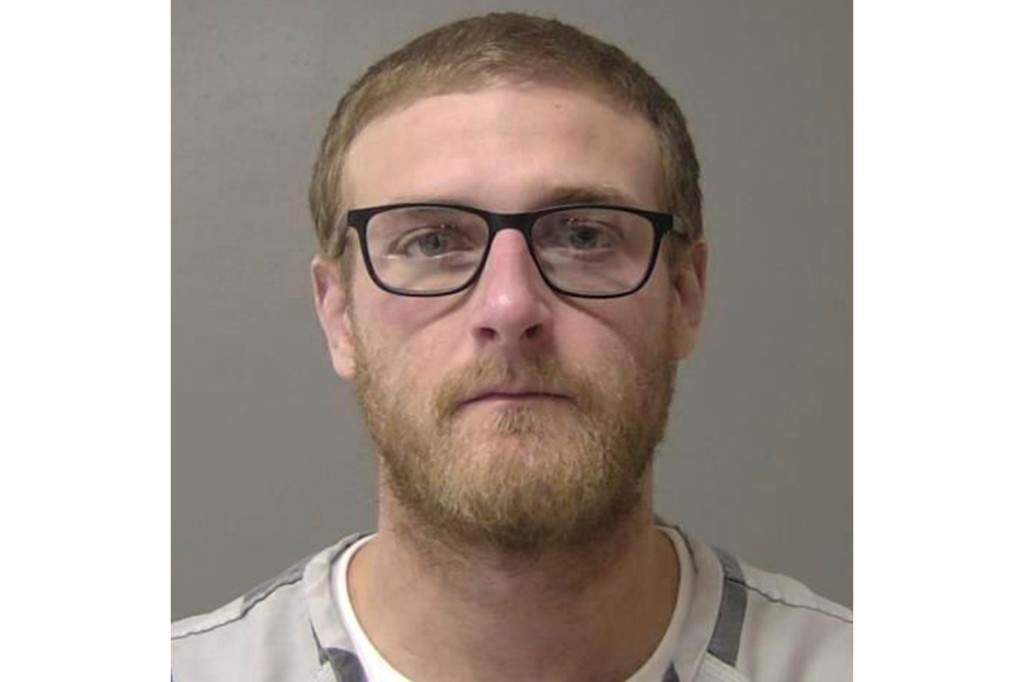
Sean Grayson is dead. The former Sangamon County sheriff's deputy, convicted of second-degree murder for shooting 36-year-old Sonya Massey inside her own kitchen, passed away while serving a 20-year prison sentence. He was thirty-two years old.
For many following the case, the news arrived with a hollow ring. Grayson had been battling Stage 4 colon cancer that spread to his liver and lungs. Just weeks before his death, the Illinois Prisoner Review Board unanimously rejected his bid for an early medical release. Civil rights attorneys Ben Crump and Antonio Romanucci, representing Massey's grieving family, made it clear that Grayson passing away behind bars does not rewrite the tragic reality of what happened on July 6, 2024. Sonya Massey should still be alive.
The Fatal Encounter That Shocked the Nation
The details of that July morning remain a brutal reminder of systemic failures in policing. Massey called 911 to report a potential prowler outside her Springfield-area home. Grayson and another deputy responded to the call, entering her residence to investigate.
What started as a routine safety check descended into a fatal shooting within minutes. Body camera footage captured Grayson directing Massey to move a pot of hot water off her stove. As she complied, moving the pot and uttering the phrase, "I rebuke you in the name of Jesus," Grayson escalated the situation violently. He drew his firearm, threatened to shoot her in the face, and opened fire as she ducked and apologized.
Instead of rendering immediate medical aid, Grayson stood by. An autopsy confirmed Massey died from a gunshot wound to the head. The footage sparked immediate, righteous outrage across the country, exposing deep flaws in how officers are vetted and how lethal force is deployed against unarmed civilians.
A Flawed System Exposed
Grayson's hiring history became a central point of public anger long before his trial concluded. Before landing at the Sangamon County Sheriff's Office, he had bounced through multiple law enforcement agencies, carrying a track record that included driving under the influence convictions and past disciplinary red flags.
The ease with which Grayson moved from department to department forced state lawmakers into action. Illinois lawmakers passed the Sonya Massey Act, a piece of legislation designed to mandate rigorous background checks and thorough employment history investigations before any police department can hire an officer. Sangamon County officials also agreed to a settlement with Massey's family, while federal scrutiny led to structural agreements targeting emergency response and crisis training.
Legal Battles and Terminal Illness
During his trial in late 2025, Grayson's physical appearance shifted dramatically as his advanced colon cancer progressed. His defense lawyers leaned heavily on his failing health during sentencing, where he received the maximum 20-year prison term in January.
By May, Grayson's legal team filed for compassionate release under the Joe Coleman Act, citing terminal illness. They argued he should be allowed to spend his final months outside of custody.
The Illinois Prisoner Review Board saw it differently. Family members, including Massey's cousin Sontae Massey, spoke out fiercely against the request. They insisted that accountability meant serving the sentence handed down by the court. The board denied the release in July, ensuring Grayson remained incarcerated until his death.
Grayson's death closes a legal chapter, but it leaves the broader questions of institutional reform front and center. Accountability cannot stop with the demise of a single convicted officer. True justice requires continuous oversight of law enforcement hiring practices to ensure dangerous individuals never wear a badge in the first place.