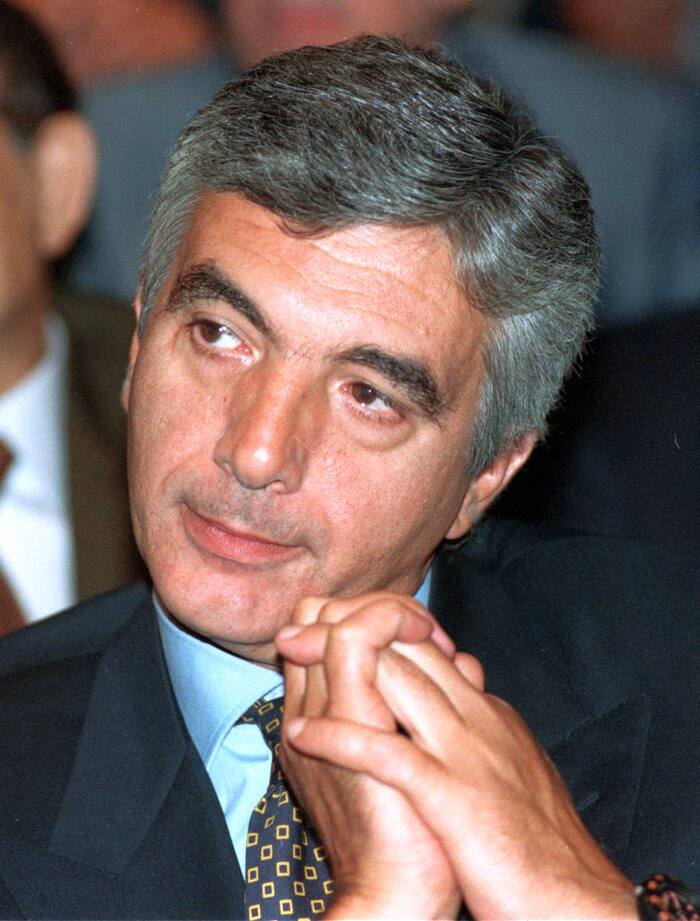
When a former national police chief is found dead at his Tuscany summer home just days after being pulled into a fresh probe over the 1992 assassination of anti-mafia magistrate Paolo Borsellino, the shockwave doesn't stay confined to Rome. Prime Minister Giorgia Meloni called the death of 78-year-old Gianni De Gennaro a "tragic passing" and said she was deeply shocked. Honestly, though, anyone who follows Italian justice knows this isn't just a sudden personal tragedy. It's a collision between modern accountability and thirty-four years of unanswered questions over how the state handled the bloodiest summer in modern Sicilian history.
Authorities in Italy are treating De Gennaro's death on Saturday, November 21, 2026, as an apparent suicide while a district prosecutor's office investigates the circumstances and awaits autopsy results. Just days earlier, prosecutors in Caltanissetta had placed him under investigation over alleged obstruction and misdirection in follow-up probes into the July 19, 1992 Via D'Amelio car bombing in Palermo. That blast killed Borsellino and five members of his security escort—Agostino Catalano, Vincenzo Li Muli, Walter Eddie Cosina, Emanuela Loi, and Claudio Traina.
De Gennaro had been scheduled to testify next month and strongly denied any wrongdoing. His lawyer, Francesco Bertorotta, told La Repubblica that De Gennaro felt deeply shaken and distraught about defending himself against accusations he viewed as unjust and defamatory. Prosecutors had even sought house arrest for him, though a preliminary investigation judge rejected that request, with an appeal slated for December 1. No court ever ruled on the allegations, and now that line of questioning ends abruptly with him.
What Happened on Via D'Amelio in 1992
To understand why a single investigation name carries so much weight in Italy, you have to look back at what happened in Sicily during the spring and summer of 1992. Less than two months before Borsellino died, a massive bomb near Capaci outside Palermo on May 23 killed anti-mafia judge Giovanni Falcone, his wife, and three escort officers. Together, Falcone and Borsellino had spearheaded the massive Maxi Trial of the 1980s that struck a historic blow against Cosa Nostra.
Borsellino knew he was likely next. Still, he kept working. On July 19, 1992, a car bomb detonated in Via D'Amelio outside his mother's residence in Palermo, killing him and five police officers protecting him. In the chaotic aftermath, Borsellino's personal red notebook—widely known as the agenda rossa, where he jotted down notes and reflections about his work—vanished from the scene.
Over the decades, Italian courts have convicted dozens of mafia figures for their roles in the attack, including Matteo Messina Denaro, who received a life sentence in 2020 that was later upheld after his 2023 capture. Yet persistent questions have long hung over whether early investigative missteps, false leads, or missing records slowed down the full truth.
Why Gianni De Gennaro Was Pulled Into the Probe
Click2Houston's brief wire report notes that De Gennaro served as Italy's national police chief for seven years until 2007 and held senior anti-crime roles across his career. That's accurate, as far as a short summary goes, but it leaves out why his name surfaced now and why his career meant so much to Italian state institutions.
Before becoming national police chief, De Gennaro led police efforts targeting organized crime in the 1990s, and later went on to chair the state-backed aerospace and defense group Finmeccanica (later renamed Leonardo) from 2013 to 2020. Because he was a high-profile figure long associated with state security and anti-mafia enforcement, seeing him named in a Caltanissetta probe over alleged misdirection and concealed evidence hit like a thunderbolt.
Here's the catch that readers and commentators often miss when reading fast wire headlines. Being placed under investigation is not a conviction. A preliminary judge had already turned down the request for house arrest, and De Gennaro hadn't yet given his planned testimony next month. Still, in a country where trust in institutional handling of past mafia atrocities has been tested time and again, the mere allegation that investigations were steered off course carries heavy symbolic weight.
The Real Tension Between Memory and Institutional Trust
If you've watched Italian politics and judicial history over the last three decades, you recognize the pattern immediately. Every new chapter in the Falcone and Borsellino investigations forces the state to confront an uncomfortable tension: honoring the officers and magistrates who died on duty while examining whether mistakes or cover-ups happened behind closed doors.
Meloni's immediate reaction—expressing shock over a former top police official's death—reflects how sensitive the moment is for the government. When a senior figure tied to state security dies amid an ongoing probe, political rivals, families of victims, and legal observers all read the event through their own lens. Some focus on the human toll of harsh public scrutiny on an aging former official who insisted he was innocent; others worry that his death closes off testimony investigators hoped to hear.
Wait—let's be careful not to jump ahead of the facts. Authorities haven't issued final autopsy findings, and the Caltanissetta inquiry into historical obstruction involves complex evidentiary questions that span years. Claiming motives or drawing conclusions about what De Gennaro would have said next month would be pure guesswork.
What People Usually Get Wrong About Cold Mafia Probes
People outside Italy—and sometimes even casual news readers—often assume a case is "solved" once the shooters and bosses are convicted. In mafia cases like Via D'Amelio, convictions for the direct perpetrators don't always answer every secondary question about how evidence was handled afterward.
Another common mistake is treating every new prosecutorial inquiry as proof of guilt. Investigations into alleged obstruction or misleading leads can take years, involve disputed recollections, and sometimes end without charges or convictions. At the same time, dismissing historical probes as "old news" misses why Italians care so deeply: for families of the five slain escort officers and Borsellino's relatives, complete transparency isn't abstract politics. It's personal.
How to Follow This Story Without Getting Misled
If you want to track developments cleanly over the coming days and weeks, keep a few practical steps in mind:
- Wait for official prosecutorial and medical updates. Pay attention to statements from the investigating prosecutor's office and confirmed autopsy details rather than early rumors on social media.
- Separate allegations from findings. Notice who is making a claim—a prosecutor opening an inquiry, a defense lawyer speaking to La Repubblica, or a prime minister issuing a statement—and remember that an investigation is a starting point, not a verdict.
- Check established reporting and archives. Follow reputable wire services like the Associated Press alongside Italian outlets such as Internazionale and background history on the Via D'Amelio bombing to keep the timeline straight.
The story of July 19, 1992 still shapes how Italy argues about justice, secrecy, and duty. With Gianni De Gennaro gone before his scheduled testimony, the legal record will now have to move forward without his voice in the room.