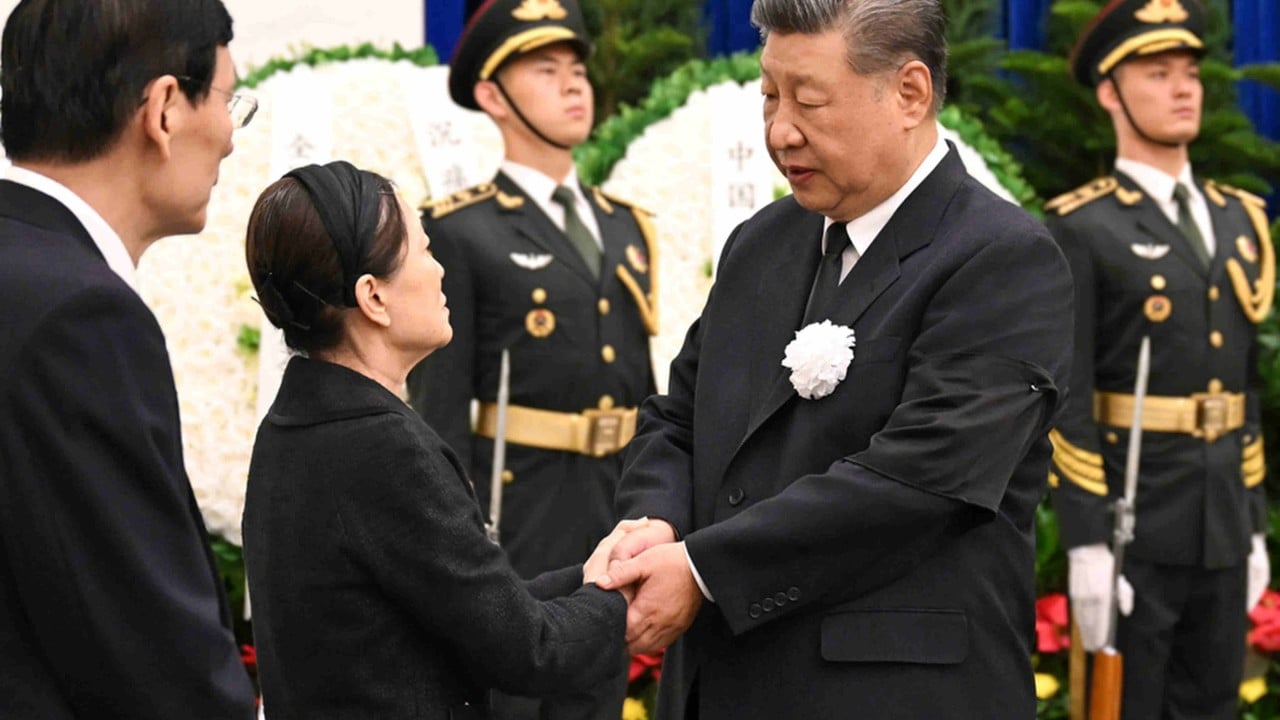
The recent passing of Zhu Rongji at age 97 isn't just the loss of a former premier. It signals the closing of a chapter in Chinese history that defined how the country transformed into a global manufacturing powerhouse. On August 18, 2026, President Xi Jinping and the nation’s top leadership gathered at the Babaoshan Revolutionary Cemetery to bid their final farewells.
Watching the state-level send-off, it's clear the government is honoring more than just a man. They are honoring the architect of the "socialist market economy."
The Man Who Known As The Economic Czar
Most people remember Zhu for one thing: his relentless, almost abrasive drive to modernize China. He took office in 1998, a time when the country’s state-owned enterprises were bloated, inefficient, and bleeding money. He didn't blink. He initiated massive layoffs and restructuring, a move that was unpopular at the time but arguably saved the national economy from stagnation.
He had a reputation for being impatient. He was a "madman" who once infamously claimed he had 100 coffins prepared—99 for corrupt officials and one for himself. That kind of blunt, direct leadership is rare today. It worked because he understood that if China didn't pivot to a market-oriented model, the party’s grip on power—and the country's future—would be in jeopardy.
What The Elite Funeral Signals
The ceremony at Babaoshan was traditional and heavy with symbolic weight. President Xi, flanked by Li Qiang and other members of the Politburo Standing Committee, stood in silence before the body. It wasn't just a political obligation. It was a recognition of a specific type of governance that prioritized economic pragmatism above all else.
When you look at the current state of the global economy, Zhu’s legacy—specifically his push to bring China into the World Trade Organization in 2001—remains his most significant move. He wasn't afraid of the volatility that came with integration. He pushed for it, knowing that external pressure was the only way to force internal change.
Some critics argue his methods were too harsh. They point to the millions of workers who lost their livelihoods during his reforms in the late 90s. But looking back from 2026, it’s hard to ignore that his "shock therapy" for the state sector paved the way for the growth that lifted hundreds of millions out of poverty.
Why His Legacy Matters Today
We’re living in a world where economic landscapes shift overnight. Zhu Rongji represented an era of building—of laying down the industrial, financial, and infrastructure bedrock that China stands on now. He was a creature of the system, yet he was constantly pushing the system to be more efficient, more disciplined, and more accountable.
If you’re wondering why there's so much focus on his passing, look at the challenges the current leadership faces. Growth has cooled. Global trade tensions are high. The "easy" reforms have been made. Zhu’s career serves as a reminder that the party’s legitimacy has always been tied to economic delivery. He was the master of that craft.
Practical Lessons From His Career
You don't have to be a head of state to learn from his approach. If you’re leading a team or a business, here’s what sticks out:
- Own the tough decisions. Zhu never hid behind committee meetings when it was time to cut the fat. He took the blame for systemic failures because he knew that accountability starts at the top.
- Prioritize the big picture over the short term. Many of his policies, like WTO entry, were painful for domestic industries in the short term. He was willing to be hated for a few years to secure success for decades.
- Fight the complacency that comes with success. He didn't just manage the economy; he constantly hunted for corruption and inefficiency. Once a system is stable, it naturally drifts toward waste. It takes a "madman" to keep it sharp.
He’s gone, but the economic architecture he built is still the frame for the entire country. We are seeing a shift away from the rapid-growth, reform-heavy style of the 90s. That transition is exactly why the nation is mourning him today. It's a farewell to the person, but it’s also a final nod to the high-stakes, high-growth, reformist spirit he embodied.
Moving forward, the focus will likely remain on stability. But for those watching, the funeral was a quiet, firm reminder of the cost—and the necessity—of change.