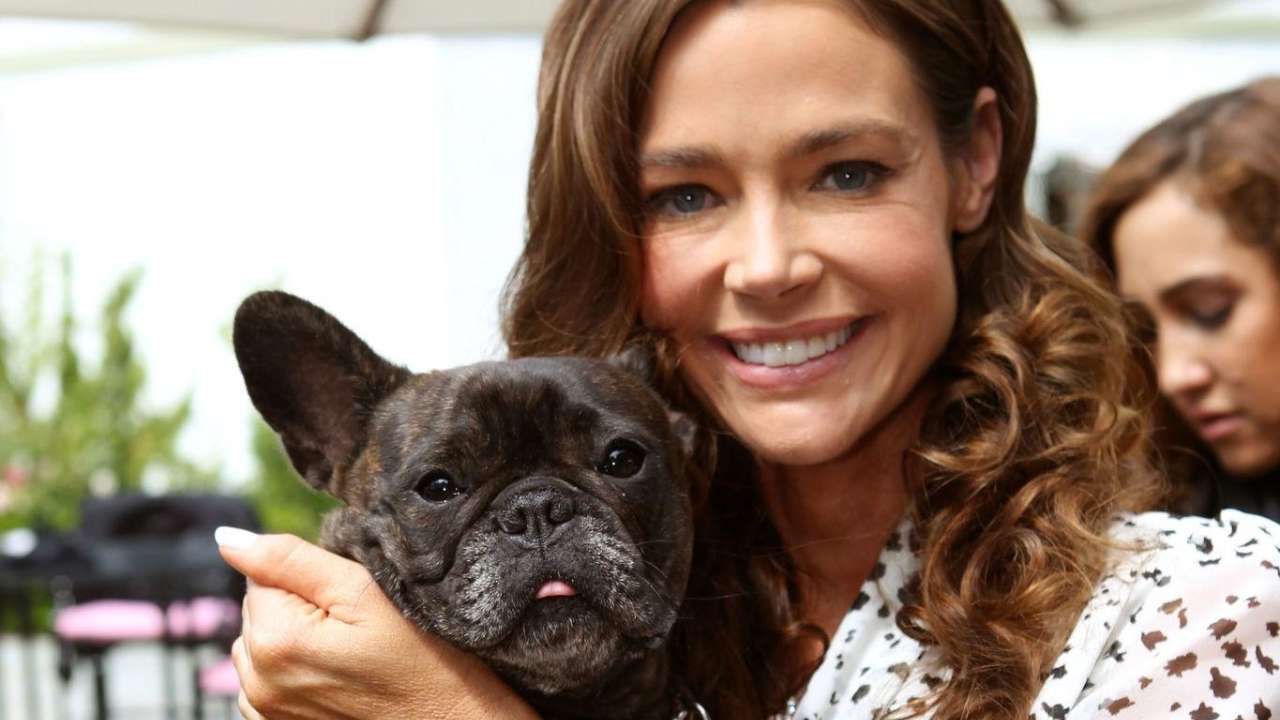
Celebrity endorsements usually feel transactional. A star poses with a product for a massive paycheck, posts it on social media, and forgets about it by Tuesday. But when Denise Richards teamed up with Best Friends Animal Society, she didn't just flash a smile for the cameras. She rolled up her sleeves and changed how mainstream media looked at shelter animals.
If you've ever wondered why public figures using their platforms for rescue animals actually matters, you need to look at what happened when Hollywood met animal welfare back in 2011. It wasn't just a fleeting PR stunt. It was a calculated shift that proved individual pets deserved the same spotlight as any designer breed.
Beyond the Red Carpet
Most people think celebrities only care about high-profile charity galas. Richards flipped that script. Through a monthly segment launched on Access Hollywood Live in partnership with Best Friends, she started bringing actual, shelter-bound dogs directly into the living rooms of millions.
The first dog she introduced was Rascal, a tan Chihuahua pulled from a high-stress environment in Los Angeles. Instead of talking about pet adoption in the abstract—which is what most nonprofits did at the time—the campaign put a living, breathing, vulnerable animal front and center. Viewers didn't just hear a statistic about overcrowding; they saw Rascal blinking under the studio lights, waiting for someone to give him a couch to sleep on.
That format worked. It stripped away the sterile stigma that shelter animals were somehow damaged goods.
Walking the Walk With Preston
A lot of famous people talk a good game about rescue work while going home to purebred puppies purchased from elite breeders. Richards didn't do that.
When her mother's dog passed away, she didn't call up a breeder. She contacted Best Friends and specifically asked for an animal that people overlooked. That led her to adopt Preston, a blind dog who required extra patience and specialized care.
Adopting a special-needs pet isn't easy. It takes time, emotional bandwidth, and financial commitment. By bringing Preston home, Richards proved she wasn't just lending her face to a campaign—she was living the ethos. She showed everyday pet owners that dogs with physical limitations aren't second-tier companions. They're just as capable of forming deep bonds as any sighted dog.
Why Television Exposure Still Moves the Needle
Media appearances change adoption rates overnight. When organizations like Best Friends or local rescue groups coordinate with television programs like Access Hollywood or Good Day LA, the response is immediate.
Station coordinators noted that phone lines lit up the very next day after pets appeared on air. Dogs like Clarice—a German Shepherd and Shiba Inu mix who found a home and became Kazi—or Lou Who, a lost Yorkshire Terrier mix who turned into Lulu after being adopted by viewers, didn't find homes by sitting quietly in a concrete kennel. They found homes because cameras captured their personalities.
Visibility cures overpopulation. When shelters remain hidden behind industrial parks and city outskirts, people forget they exist. Bringing those animals onto television screens bridges the gap between the public and the local shelter down the street.
What You Can Learn From This Campaign
You don't need a Hollywood talk show to make a difference for shelter dogs. The blueprint Richards and Best Friends established relies on principles anyone can apply in their own neighborhood:
- Show the individual personality: Stop talking about the shelter crisis in global numbers. Share photos, quirks, and specific stories of individual dogs. People connect with names and habits, not statistics.
- Normalize special-needs pets: Blind, deaf, or senior dogs get overlooked. Embracing them shifts public perception and opens up adoption pools for the animals who need homes the most.
- Leverage local reach: You can use your own social media presence to amplify pets from your local municipal shelter instead of scrolling past them. One share can connect a dog to the exact person looking to adopt.
Celebrity activism usually fades when the cameras stop rolling. But the push for shelter visibility that gained momentum in the early 2010s laid the groundwork for modern animal advocacy. Next time you think about adding a pet to your home, skip the breeder list and look at who's waiting in the local run.
:max_bytes(150000):strip_icc()/line-app-logo-ccdacd0f7c344b3d9d4847edcb90733d.jpg)