For months, Copenhagen and Nuuk watched with intense anxiety as Washington floated maps, pressed aggressive purchase demands, and refused to rule out military force to secure the Arctic. When Donald Trump announced a breakthrough security agreement granting the United States permanent control over defense needs in Greenland while keeping the island under Danish sovereignty, the immediate reaction wasn't celebration. It was cautious, palpable relief.
The deal, slated for signing at the United Nations General Assembly, brings an end to a high-stakes diplomatic standoff that strained transatlantic ties and rattled a population of just 56,000 residents. But behind the optimistic public statements from Danish Foreign Minister Lars Løkke Rasmussen and Greenlandic leaders, major questions remain about what expanded U.S. military footprint on the Arctic territory will actually look like in practice.
What the Greenland Security Deal Actually Changes
The core of the agreement centers on Arctic defense architecture. According to unnamed U.S. State Department officials, the pact bans non-NATO military bases from the island, places strict limits on strategic investments by geopolitical adversaries like China and Russia, and paves the way for an immediate expansion of U.S. military installations.
For decades, the American presence on the island was anchored by the Cold War-era Pituffik Space Base in northwestern Greenland. That installation handles missile warning, missile defense, and space surveillance for NATO. Yet, the push for broader access signals a profound shift in how Washington views the Arctic as a contested theater.
As polar ice melts and shipping lanes open up, great power competition in the North Atlantic has intensified dramatically. Marc Jacobsen, an associate professor at the Royal Danish Defence College, notes that while the deal allows the White House to claim a major foreign policy victory ahead of U.S. midterm elections, it also revives a level of military presence unseen since the height of the Cold War.
Navigating Local Sovereignty and Red Lines
The friction points haven't completely disappeared. While Trump framed the announcement as total control over security and other needs, Danish and Greenlandic authorities drew strict boundaries. Prime Minister Mette Frederiksen's office emphasized that parliamentary approval in both Copenhagen and Nuuk is mandatory before the text becomes legally binding.
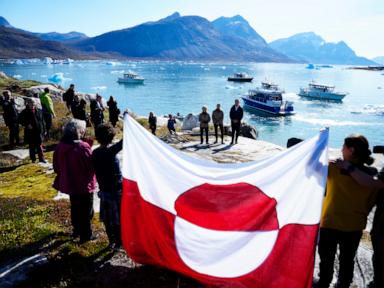
Grassroots pro-sovereignty activists in Greenland celebrated that the text explicitly safeguards the territorial integrity of the Kingdom of Denmark and the self-determination rights of Greenlandic citizens. Local leaders like Jens-Frederik Nielsen have expressed optimism that the pact balances collective security needs with internal development goals.
Still, everyday citizens in Denmark and Greenland remain realistic. The threat of unilateral action or economic coercion cast a long shadow over Scandinavian politics for months. Settling the dispute through a binding diplomatic pact rather than a geopolitical clash prevents a fractured alliance, even if the fine print of American operational rights on the island still needs ironing out in parliamentary debates next week.
Next Steps for the Arctic Alliance
The upcoming UN General Assembly signing ceremony marks a starting line rather than a finish line. Lawmakers in Copenhagen and Nuuk must review the exact wording of the treaty to ensure local veto power and environmental protections are respected.
If you are tracking Arctic geopolitics or transatlantic defense policy, watch the parliamentary sessions closely. The real test of this agreement will be how transparent Washington, Copenhagen, and Nuuk are about troop deployments, infrastructure expansion, and regional investments as the new security framework takes effect.