Desperation makes people do stupid things. Academic desperation is a whole different beast. When 31-year-old Li Zuer found herself trapped in a cycle of yearly rejections from the Education University of Hong Kong, she crossed a line that turned a bad career hurdle into a criminal case.
She forged a reference letter to get into a doctoral program. It worked—until it didn't. Don't miss our earlier article on this related article.
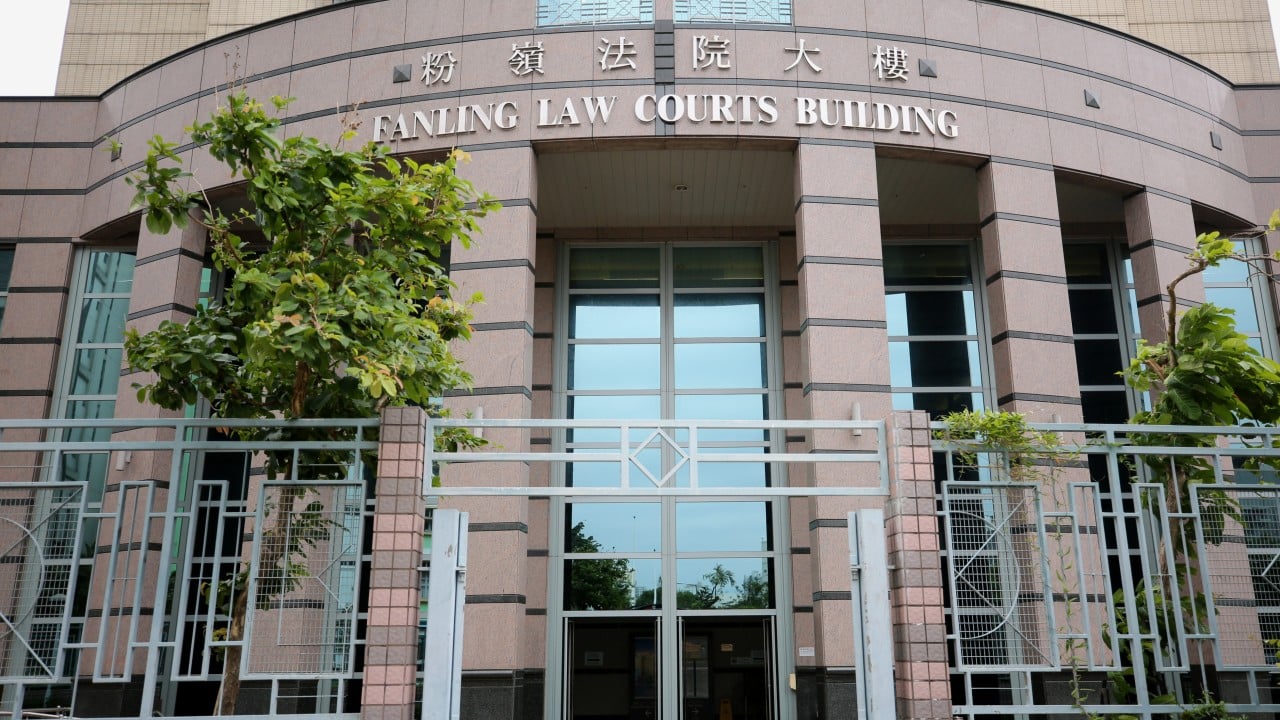
Instead of heading behind bars, Li walked away from Fanling Magistrates' Courts with 160 hours of community service. Magistrate Kenneth Chan Ping-chau decided to make an exception. But the case exposes the intense, quiet pressures under which thousands of postgraduate applicants crack every single admission cycle.
The Anatomy of an Academic Shortcut
Li graduated with a master's degree from the Education University of Hong Kong back in 2019. She wanted a PhD from the same institution badly. Rejection after rejection piled up year after year starting in 2021. If you want more about the context of this, Associated Press offers an informative summary.
By 2024, the rejection letters felt less like administrative hurdles and more like a dead end for her professional identity. Instead of building a better research proposal or gaining new credentials, she turned to deception.
She took an old reference letter written by former associate professor Ho Wai-yip from her previous studies, modified it, faked his signature, and uploaded it with her application. The university bought it. She started her doctoral studies in September 2025.
Academia relies on trust. Recommendation letters are supposed to be honest evaluations from mentors who know your work. When applicants fake them, they break that hidden contract.
How the Lie Fell Apart
Secrets in university admissions rarely stay buried. Staff routine checks eventually flagged the anomaly. They checked internal records and realized Ho had actually left his post years prior in July 2021.
A quick phone call to the former professor blew the whole scheme wide open. Ho confirmed he never issued the document.
Police arrested Li, and she pleaded guilty to one count of obtaining services by deception. During her caution interview, she admitted she sought help from an education agency and let unrealistic expectations override her better judgment.
Why the Judge Showed Leniency
Judges usually throw the book at people who commit fraud to secure valuable public or institutional resources. Education fraud steals seats from honest candidates. Magistrate Chan explicitly noted that Li's actions unfairly deprived another qualified applicant of an admission slot and created a long-term adverse impact.
So why avoid jail time?
The court weighed several mitigating factors. Li had a clean criminal record, a positive prior teaching history, and showed genuine remorse after pleading guilty early. The defense argued she buckled under self-imposed pressure. The magistrate accepted that this was an isolated lapse in judgment rather than a sophisticated, multi-year criminal enterprise.
Instead of a prison sentence, she got 160 hours of community service. Her academic career at the institution is effectively over, and the personal cost of her shortcut dwarfs any temporary relief she felt upon getting that acceptance notification.
The Hidden Pressures of Postgraduate Admissions
Competitive doctoral programs in Hong Kong attract thousands of applicants from across the region. Seats are sparse. Requirements are grueling. Many candidates treat rejection as a personal indictment of their worth.
When you spend years studying, working, and hoping for a breakthrough, logic often takes a back seat to desperation. Education agencies sometimes push applicants toward risky behaviors, promising guaranteed admissions through shady backchannels.
If you are stuck in a loop of university rejections, falsifying credentials is never the answer. Digital tracking, verification software, and direct faculty communication mean institutions catch these lies faster than ever.
Reapply with a better profile, pivot to a different institution, or rethink your timeline. A rejection letter hurts for a month. A criminal record follows you for life.